

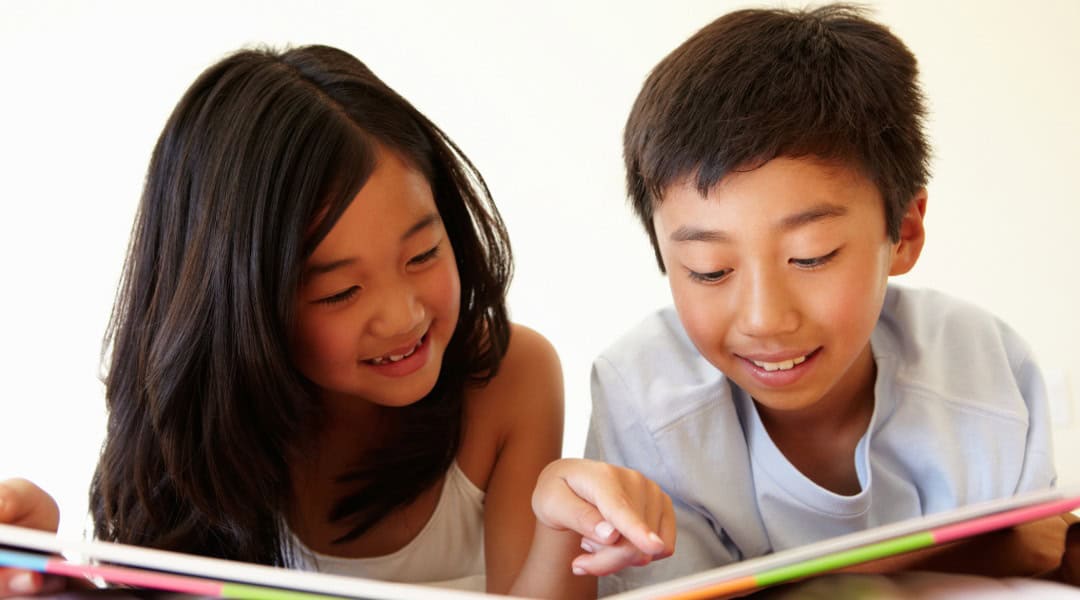
15 Benefits of Picture Books for Older Readers (With Practical Examples)
Picture books don’t lose their impact as children grow—an unpopular opinion, perhaps, but one I saw proven again and again in my Montessori upper elementary classroom.
The benefits of picture books for older readers are often underestimated, especially once children move beyond the early years.
In my Montessori upper elementary classroom, picture books were powerful tools for building vocabulary, encouraging critical thinking, and sparking meaningful discussion well beyond the early years. When thoughtfully chosen, picture books meet older readers exactly where they are developmentally.
Picture books support empathy, deeper comprehension, and engagement during the second plane of development, making them an essential part of upper elementary learning.
If you’re a teacher or parent looking to expand your literacy approach, this article breaks down the benefits of picture books for older readers, with practical examples you can use right away.
💡📚💡📚💡
Our Top 3 Picture Book Picks for Older Readers
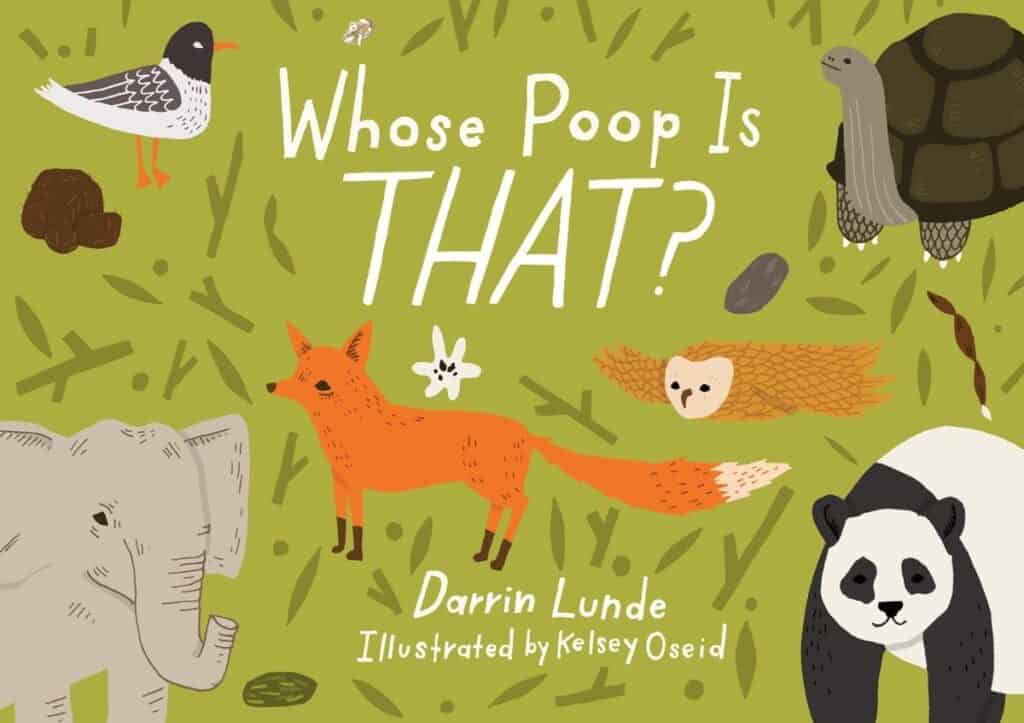
Whose Poop Is That?
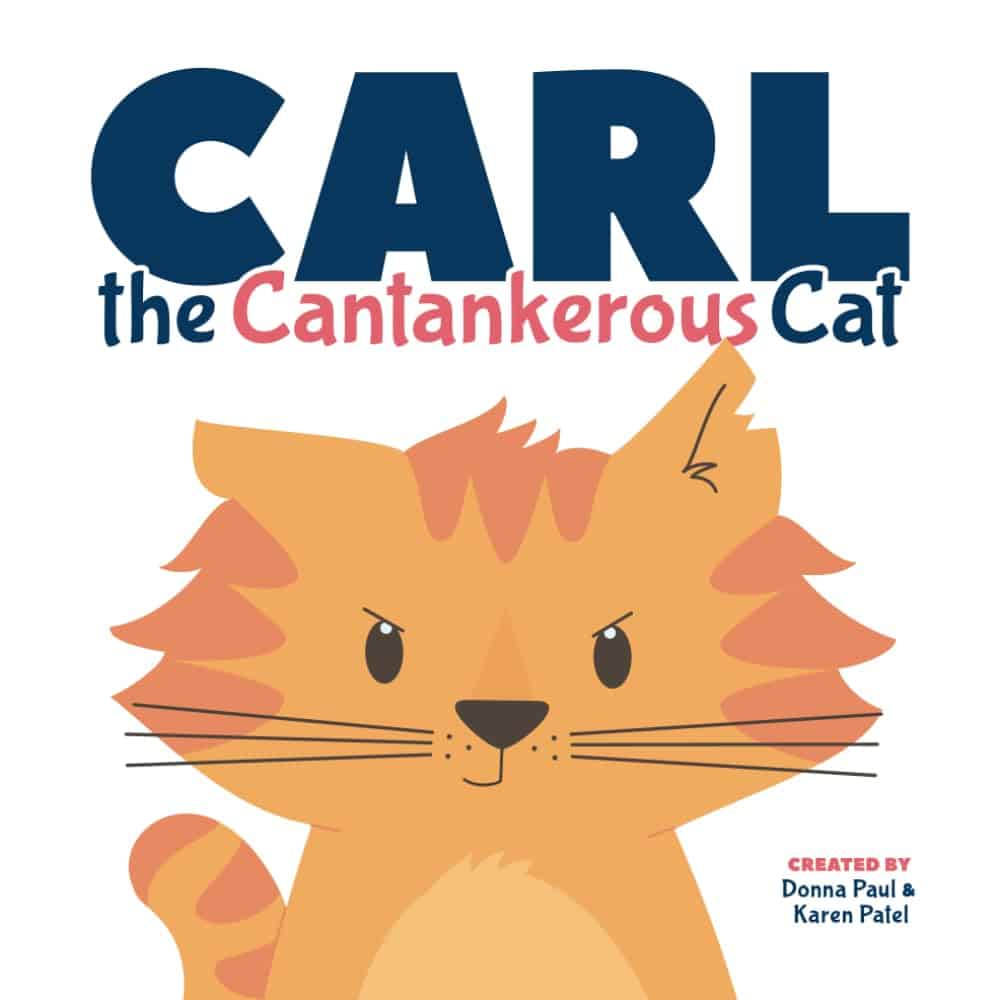
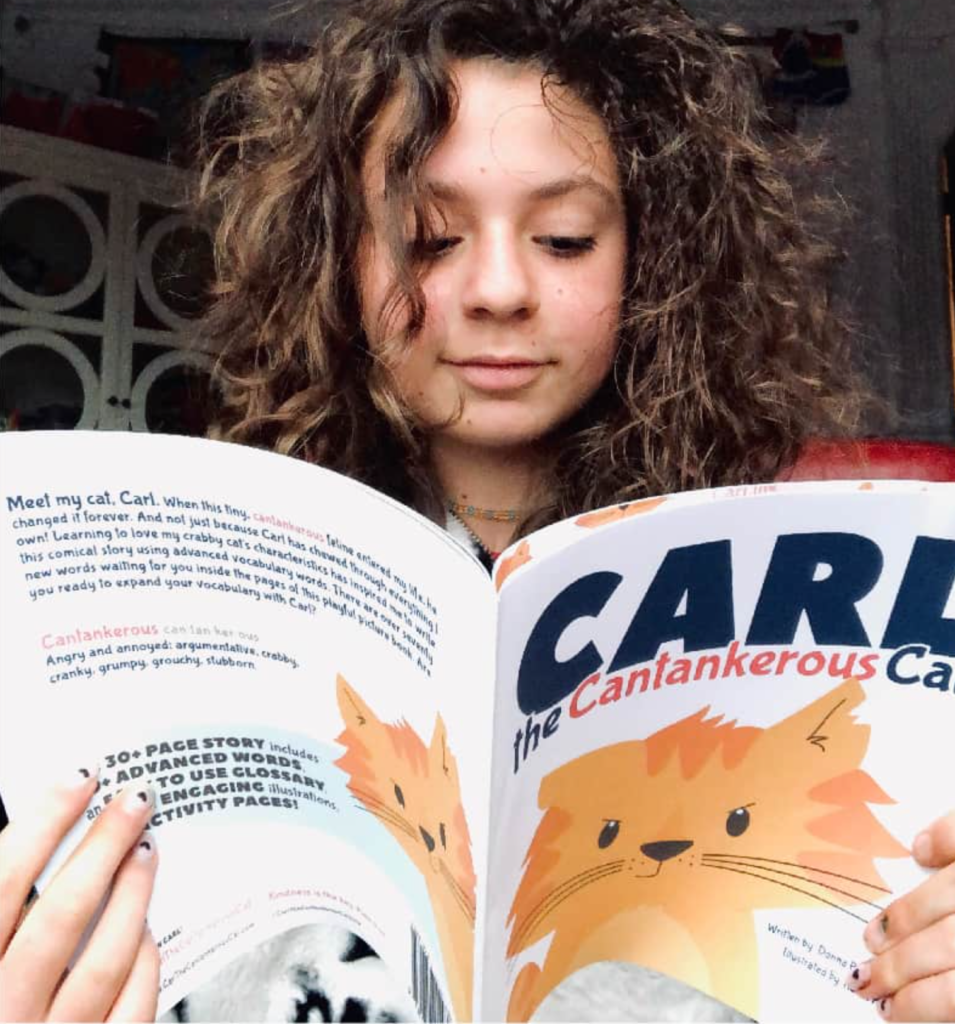
Carl the Cantankerous Cat
The Girl Who Loved Wild Horses
➡️ Loving these? Scroll on for even more great picks!
Benefits of Picture Books for Older Readers with Examples
Picture books are not just for young children. Older readers can also reap the benefits of these visually engaging stories.
With their captivating illustrations and thought-provoking narratives, picture books have something to offer readers of all ages. From stimulating critical thinking to nurturing a lifelong love for reading, picture books offer numerous benefits.
Let’s explore the many advantages these literary treasures have to offer!
1. Picture books deepen comprehension through visual literacy
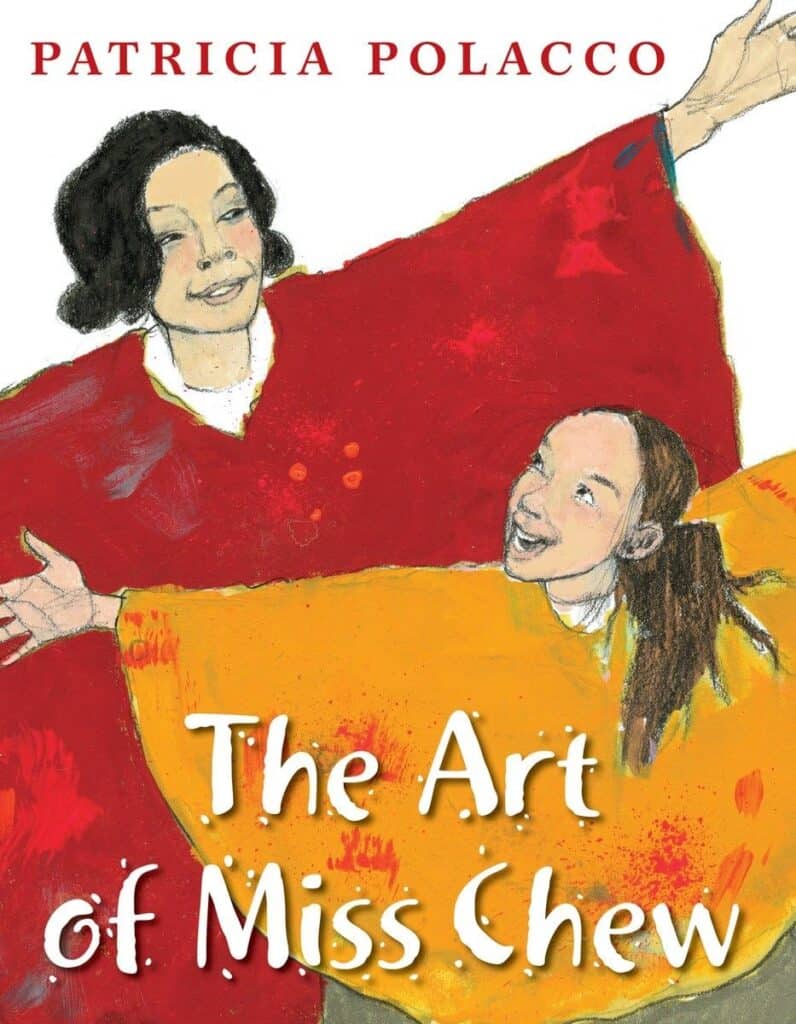
For older readers, illustrations are not decorative—they’re meaningful. Picture books invite students to analyze facial expressions, symbolism, and visual cues, strengthening comprehension and inference skills.
Example: The Art of Miss Chew by Patricia Polacco encourages readers to interpret both text and illustration to understand Trisha’s emotional journey.
2. Picture books strengthen critical thinking skills
Older readers must connect text and images, make predictions, and draw conclusions. This active engagement supports higher-level thinking and problem-solving.
Example: Whose Poop Is That? by Darrin Lunde challenges readers to analyze clues and make logical inferences—while laughing.
3. Picture books support reluctant readers
The shorter format and visual support of picture books make reading feel accessible. For reluctant readers, this can rebuild confidence and motivation.
Example: After the Fall (How Humpty Dumpty Got Back Up Again) by Dan Santat uses humor and resilience to hook hesitant readers and keep them engaged.

4. Picture books expand vocabulary naturally
Rich language paired with context helps older readers absorb new words without worksheets or drills.
Example: Carl the Cantankerous Cat by Donna Paul and Karen Patel intentionally weaves advanced vocabulary into a playful story, supported by a glossary for independent learning.
😼 Something fun for your students!
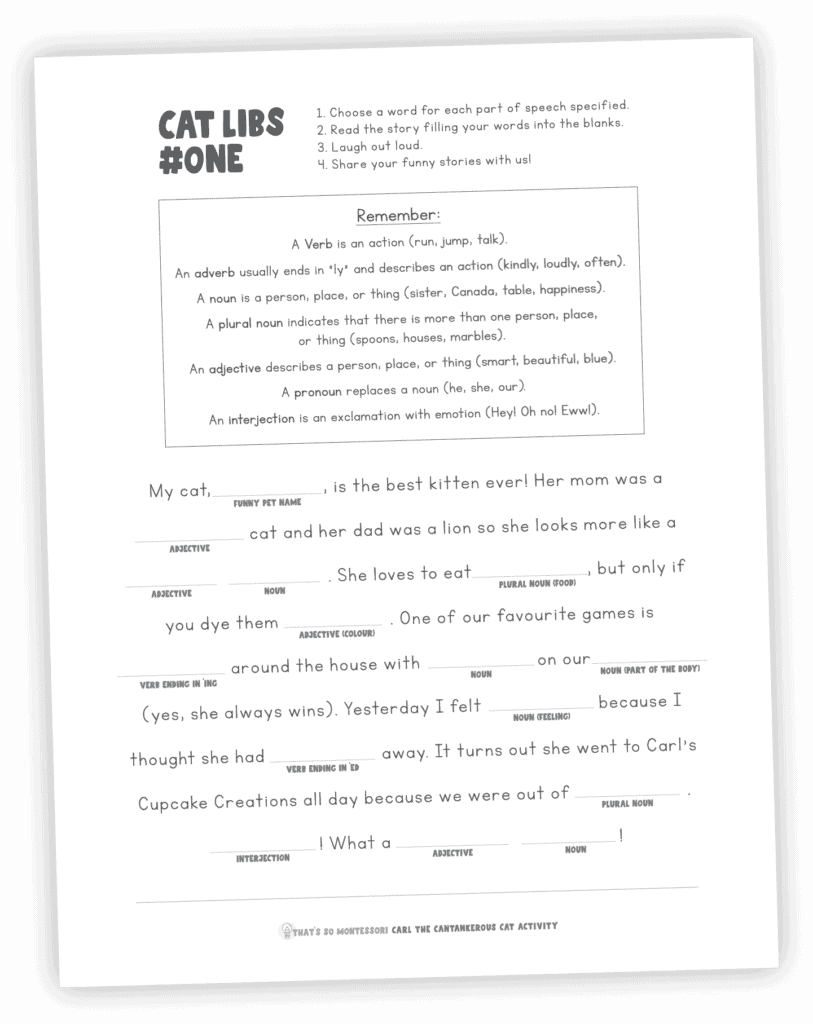
Join our newsletter and receive a free page from the Carl the Cantankerous Cat Activity Pack.
It’s a lighthearted, language-rich activity that gets kids laughing while they work with parts of speech.
5. Picture books nurture a love of reading
Exposure to varied stories and formats helps students discover what resonates with them—an essential step toward lifelong reading.
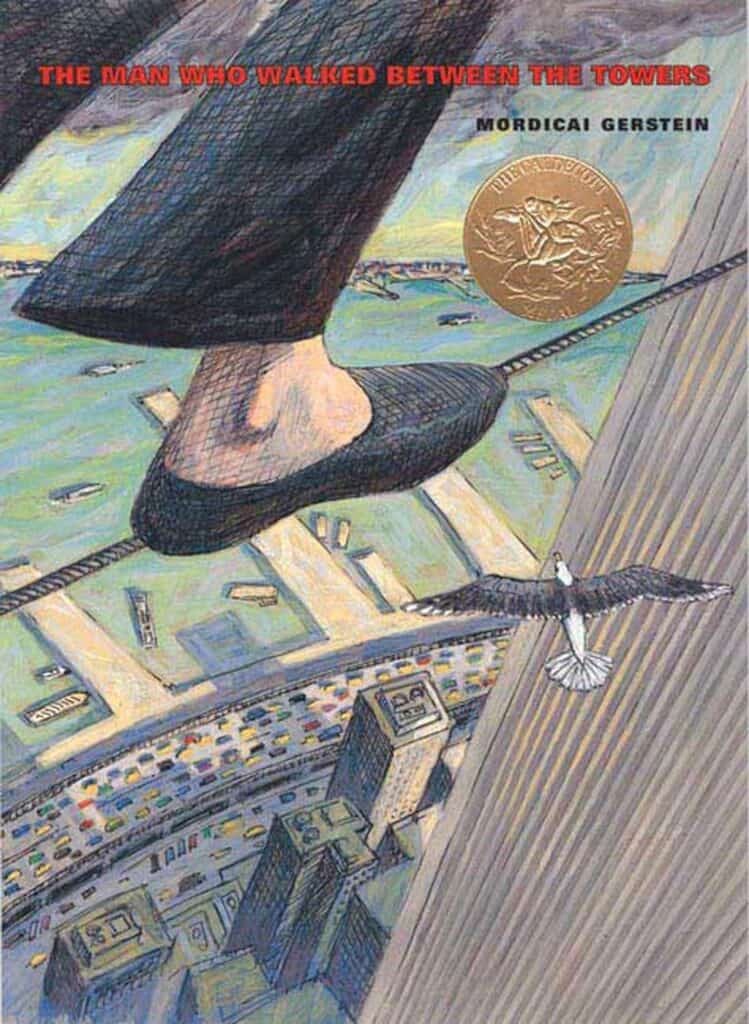
Example: The Man Who Walked Between the Towers by Mordicai Gerstein captivates older readers with suspense, history, and awe.
6. Picture books build emotional intelligence
Complex topics like empathy, want vs. need, and social awareness are easier to explore through story.
Example: Those Shoes by Maribeth Boelts opens thoughtful conversations about kindness, gratitude, and perspective.

7. Picture books open windows to new worlds
Picture books introduce diverse cultures, environments, and experiences, fostering curiosity and empathy.
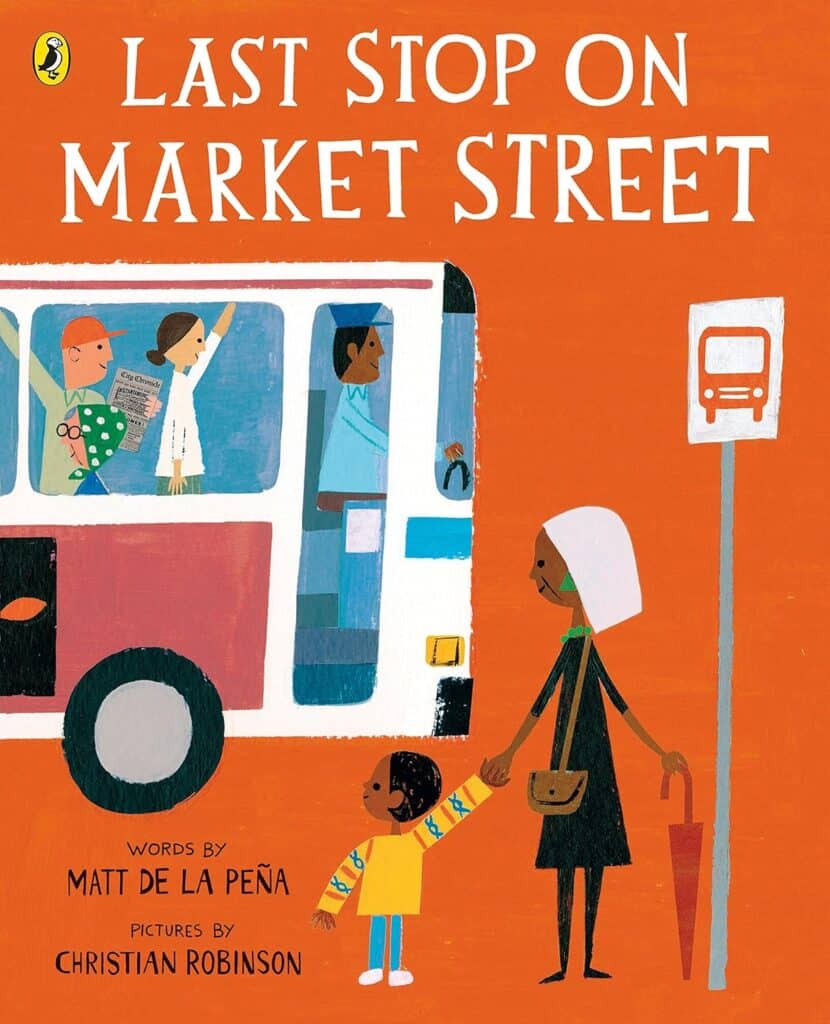
Example: Last Stop On Market Street by Matt de la Peña invites readers to see beauty and community through a child’s eyes.
8. Picture books are often written at higher reading levels
Despite their format, many picture books contain sophisticated language and layered themes that challenge older readers.
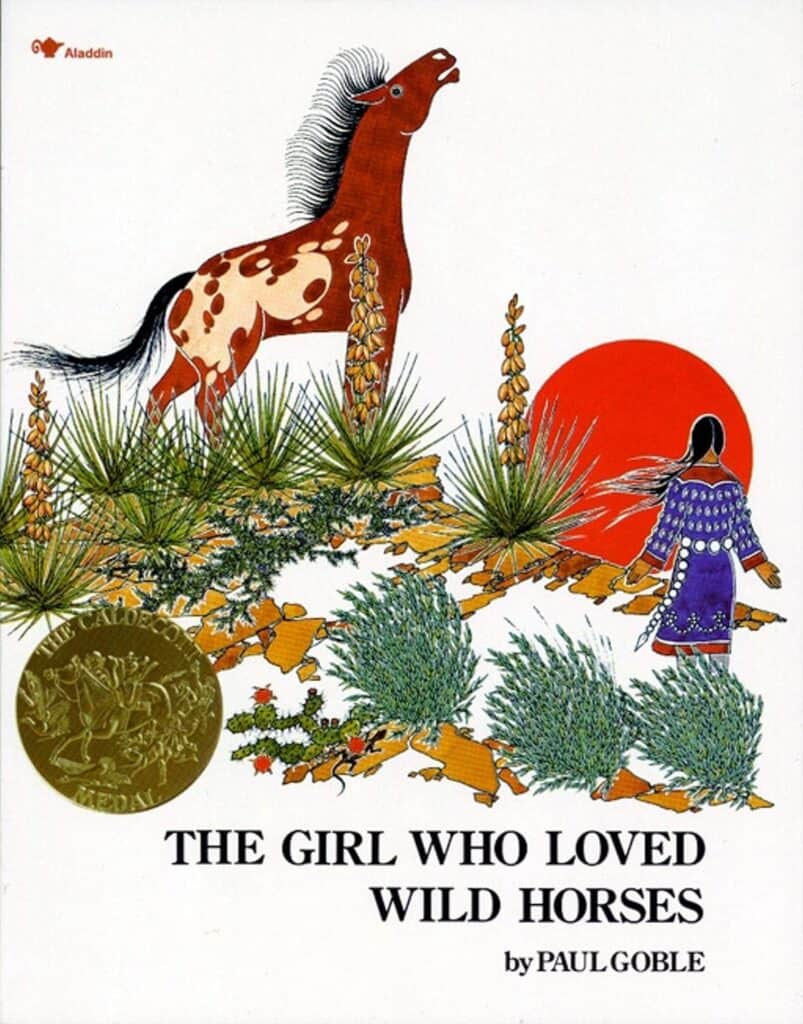
Example: The Girl Who Loved Wild Horses by Paul Goble uses poetic language and complex narrative structure to stretch readers intellectually.
9. Picture books build background knowledge
Nonfiction and narrative picture books introduce history, science, and social issues in digestible ways.
Example: Pass Go and Collect $200: The Real Story of How Monopoly Was Invented by Tanya Lee Stone provides historical context and encourages critical thinking about economics.

10. Picture books introduce the rhythm and flow of poetry
Picture books are a natural bridge to poetic language, figurative speech, and symbolism.
Example: Marshmallow Clouds: Two Poets at Play among Figures of Speech by Ted Kooser and Connie Wanek invites readers to play with language and imagery.

11. Picture books inspire older readers
Stories of perseverance and courage help students see themselves as capable and resilient.
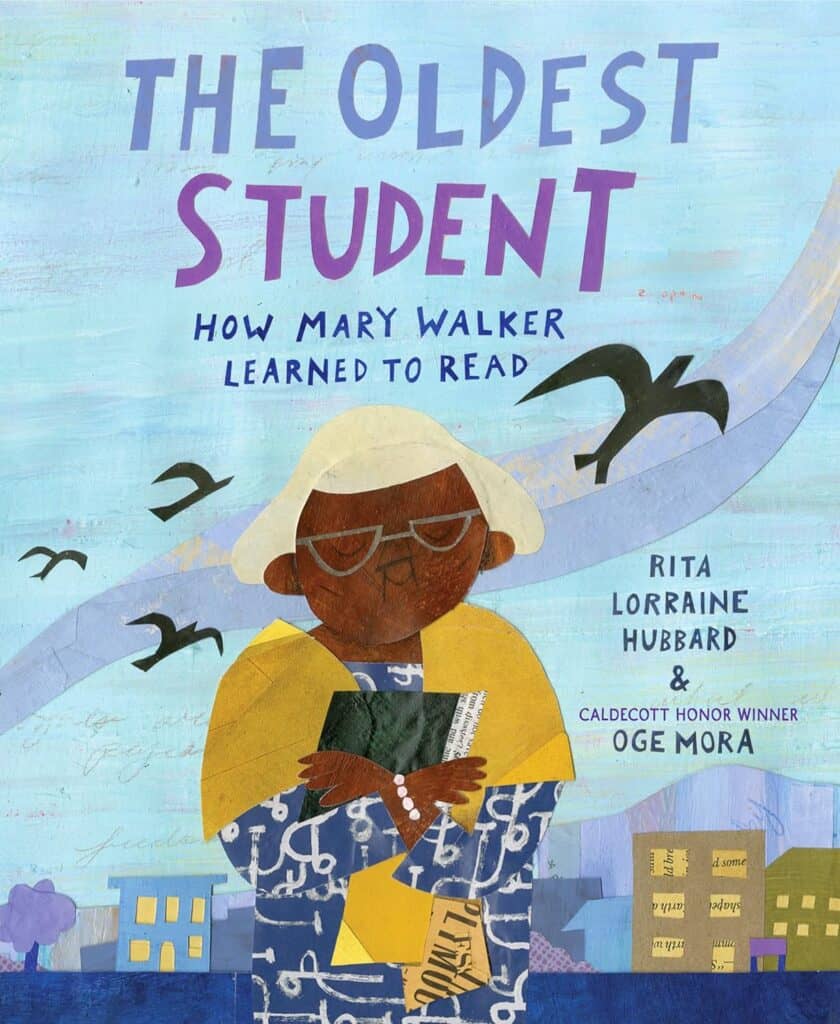
Example: The Oldest Student: How Mary Walker Learned to Read by Rita Lorraine Hubbard reminds readers that learning is lifelong.
12. Picture books teach about friendship and relationships
Stories provide safe spaces to explore loyalty, forgiveness, and connection.
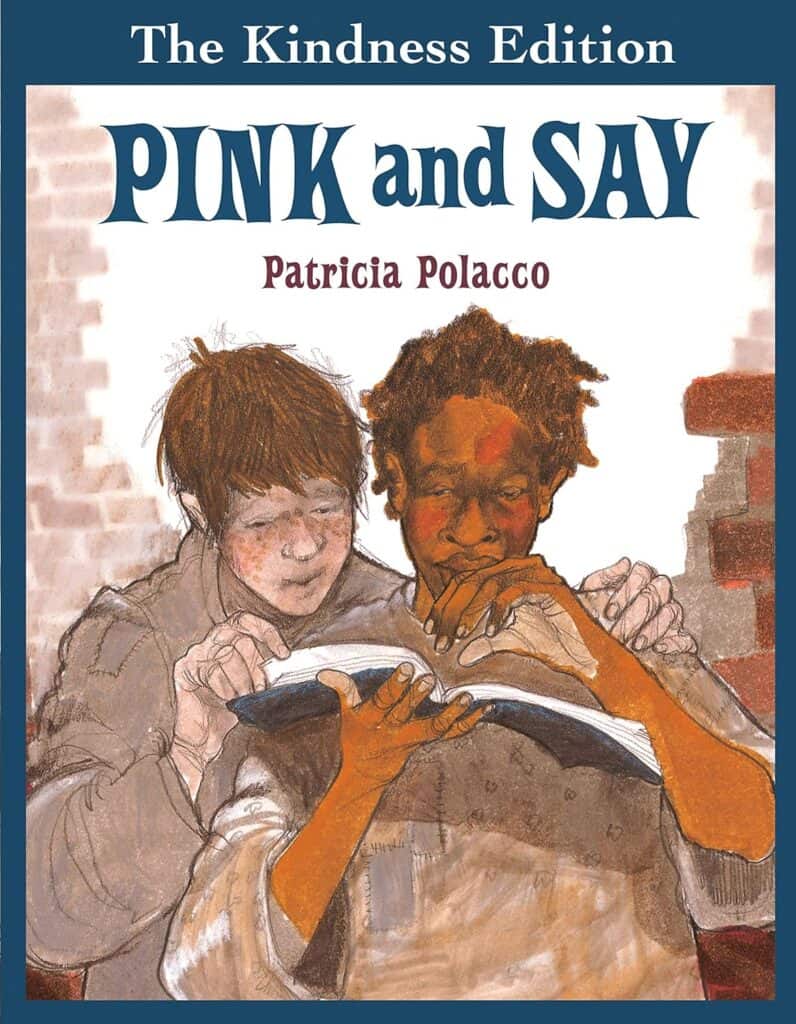
Example: Pink and Say by Patricia Polacco explores friendship and humanity through historical context.
13. Picture books model kindness and compassion
Through relatable characters and real-life scenarios, picture books teach social responsibility.
Example: The Boy Who Was Raised By Librarians by Carla Morris highlights how kindness shapes lives.

14. Picture books introduce global challenges
Older readers can explore complex world issues through accessible storytelling.
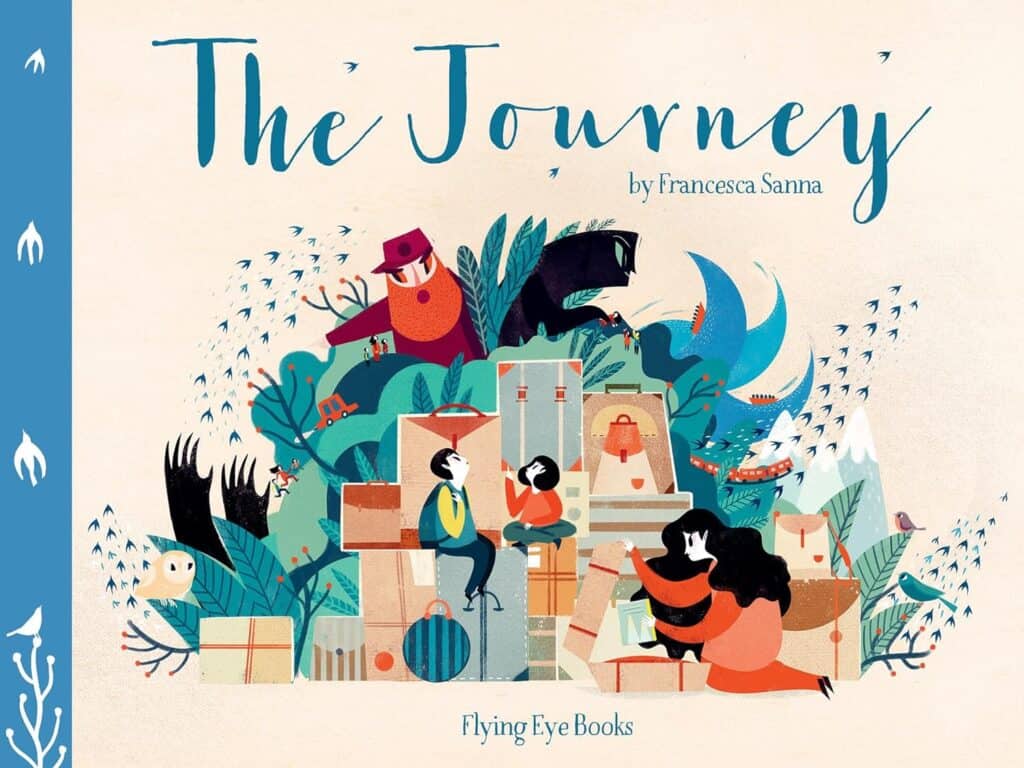
Example: The Journey by Francesca Sanna helps students understand displacement, resilience, and hope.
15. Picture books support environmental learning
Environmental themes in picture books encourage stewardship and responsibility.
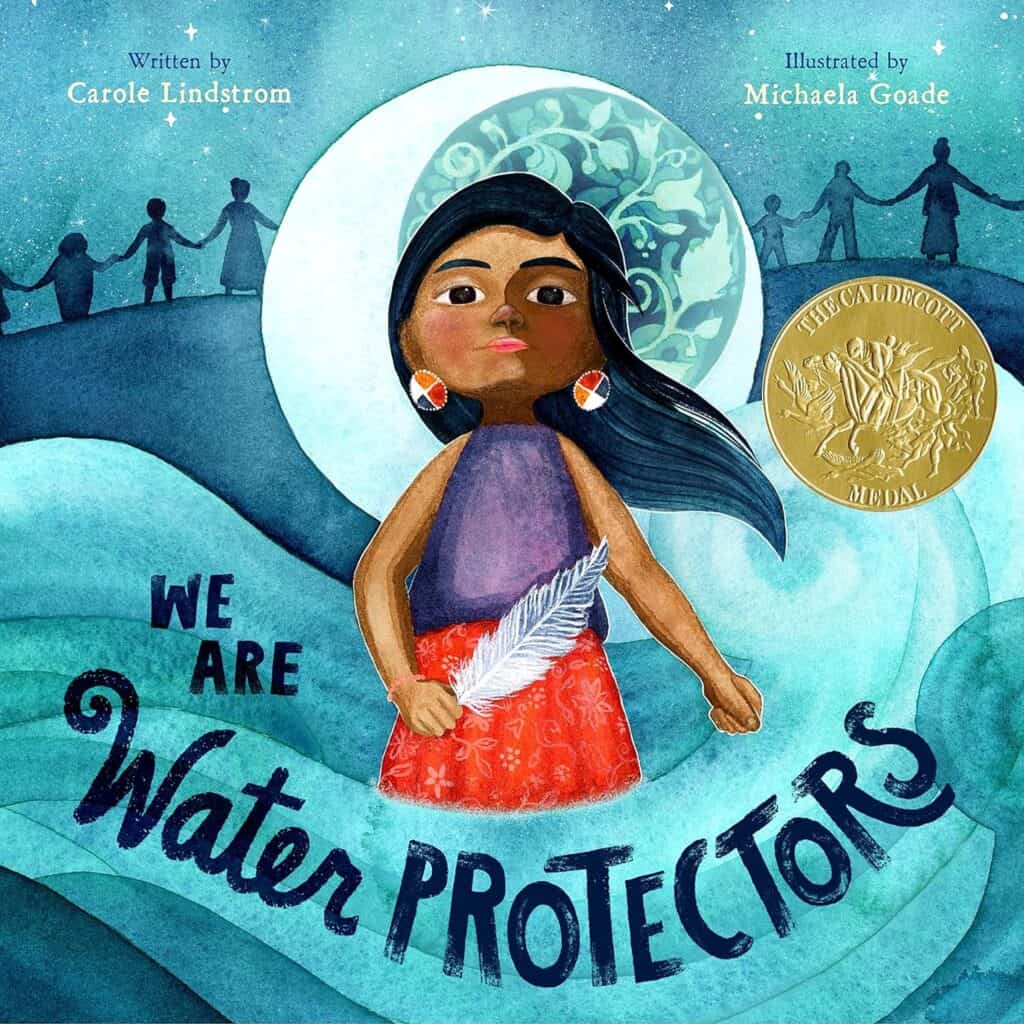
Example: We Are Water Protectors by Carole Lindstrom empowers readers to care for the planet.
Picture Books Aren’t Just for Toddlers
Picture books are often associated with early childhood, but the benefits of picture books for older readers are profound. In the second plane of development, students are ready for stories with emotional depth, complex themes, and sophisticated language—and picture books deliver all of that beautifully.
They are not a step backward. They are a way deeper.
The Wrap-Up: Benefits of Picture Books for Older Readers
Picture books offer older readers a unique blend of artistry, storytelling, and learning in disguise. They spark discussion, expand vocabulary, and invite meaningful reflection in ways few other formats can.
For teachers and parents alike, embracing the benefits of picture books for older readers means honoring how children actually learn—through curiosity, connection, and joy.
📌 Rethink picture books for elementary!
💡 Related Articles:
31 Picture Books for 5th Graders with Expert Tips for Selection
This is One of the Best Picture Books to Teach Vocabulary
25 Best Picture Books with Rich Vocabulary
35 Money Books for Kids that Teach Financial Literacy
19 Reasons Why Elementary Kids Need Summer Reading Logs
15 Exciting Library Scavenger Hunt Ideas To Do With This Printable
