


13 Fun Ways To Use Quotes In Elementary Learning
Looking for fun activities with quotes that actually engage your students? Quotes are a simple but powerful way to spark discussion, build comprehension, and bring deeper meaning into your lessons—without adding extra prep to your day.
In the elementary classroom, even a short quote can open the door to big ideas. When students interact with quotes through conversation, writing, art, and movement, they begin to think more critically and make meaningful connections to their own lives.
Below, you’ll find 13 classroom-tested ways to turn quotes into hands-on, engaging learning experiences your students will actually enjoy.

13 Fun Activities with Quotes
1. Quote of the Week
Introduce a new quote each week and revisit it during your classroom meeting and class discussions.
How to Implement:
➡️ Pick a quote that aligns with your lessons or classroom values.
➡️ Display it on the board and read it aloud several times throughout the week.
➡️ Discuss its meaning and relevance to students’ lives.
Benefits: Builds reflection, critical thinking, and a positive classroom culture.

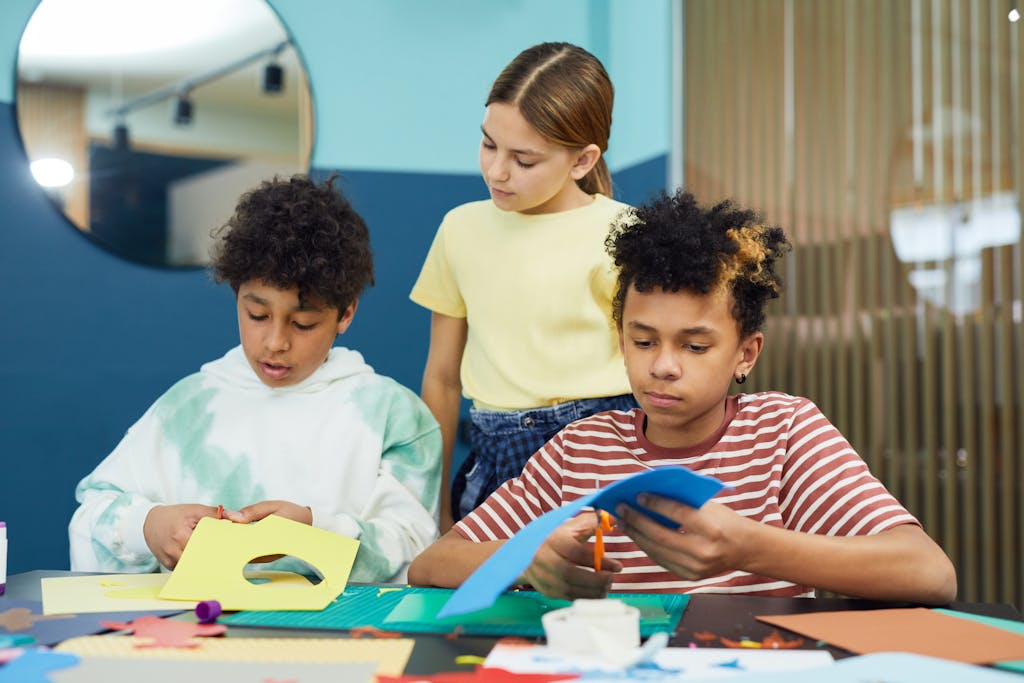
2. Quote Art Projects
Students create artwork inspired by a quote.
How to Implement:
➡️ Provide a selection of uplifting quotes.
➡️ Let students choose one and create a drawing, painting, collage, or sculpture reflecting its meaning.
Benefits: Boosts creativity, personal connection, and understanding of the quote.
3. Respond To a Quote Writing Activity
Students write about what a quote means to them personally.
How to Implement:
➡️ Offer quotes on perseverance, courage, or kindness.
➡️ Ask students to explain how the quote relates to their experiences.
➡️ Share responses in pairs or as a class discussion.
Benefits: Develops reflective writing, critical thinking, and personal insight.

4. Quote Discussions and Debates
Turn quotes into conversation starters or debate prompts.
How to Implement:
➡️ Divide the class into small groups, assigning each group a “for” or “against” position.
➡️ Let them discuss a quote, form opinions, and share with the class.
Benefits: Encourages teamwork, respectful dialogue, and persuasive communication.

5. Quote Journals
A daily or weekly journal where students collect meaningful quotes.
How to Implement:
➡️ Give each student a notebook for quotes.
➡️ Encourage them to note quotes they encounter in books, videos, or conversations.
➡️ Set weekly or ongoing goals for entries.
Benefits: Fosters reflection, observation, and writing skills.

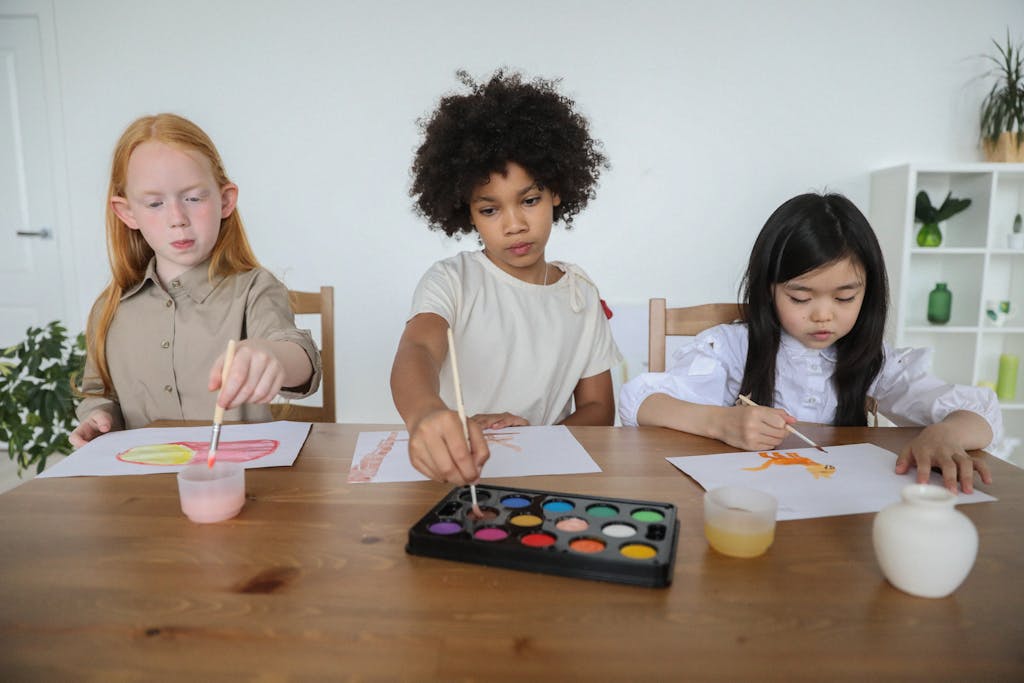
6. Quote Posters
Students transform quotes into visually compelling posters.
How to Implement:
➡️ Choose quotes that resonate.
➡️ Provide art materials for illustration and design.
➡️ Display posters around the classroom for inspiration.
Benefits: Combines literacy with art, reinforcing the quote’s message visually.
7. Quote Relay Race
A physical, team-based game to engage with quotes.
How to Implement:
➡️ Write quotes on cards and place them at one end of the room.
➡️ Students run to pick a card, read it aloud, and bring it back for the next teammate.
Benefits: Encourages reading, teamwork, and movement-based engagement.

8. Quote Mind Mapping
Students create a visual map of a quote’s ideas and connections.
How to Implement:
➡️ Write the quote in the center of a large sheet.
➡️ Branch out words, images, or ideas connected to the quote.
➡️ Share mind maps as a class discussion.
Benefits: Enhances analytical thinking, creativity, and comprehension.

9. Quote Role-Playing
Bring quotes to life through skits or dramatizations.
How to Implement:
➡️ Assign quotes to small groups.
➡️ Students develop a short scenario or skit inspired by the quote.
➡️ Perform for the class.
Benefits: Promotes empathy, perspective-taking, and communication skills.

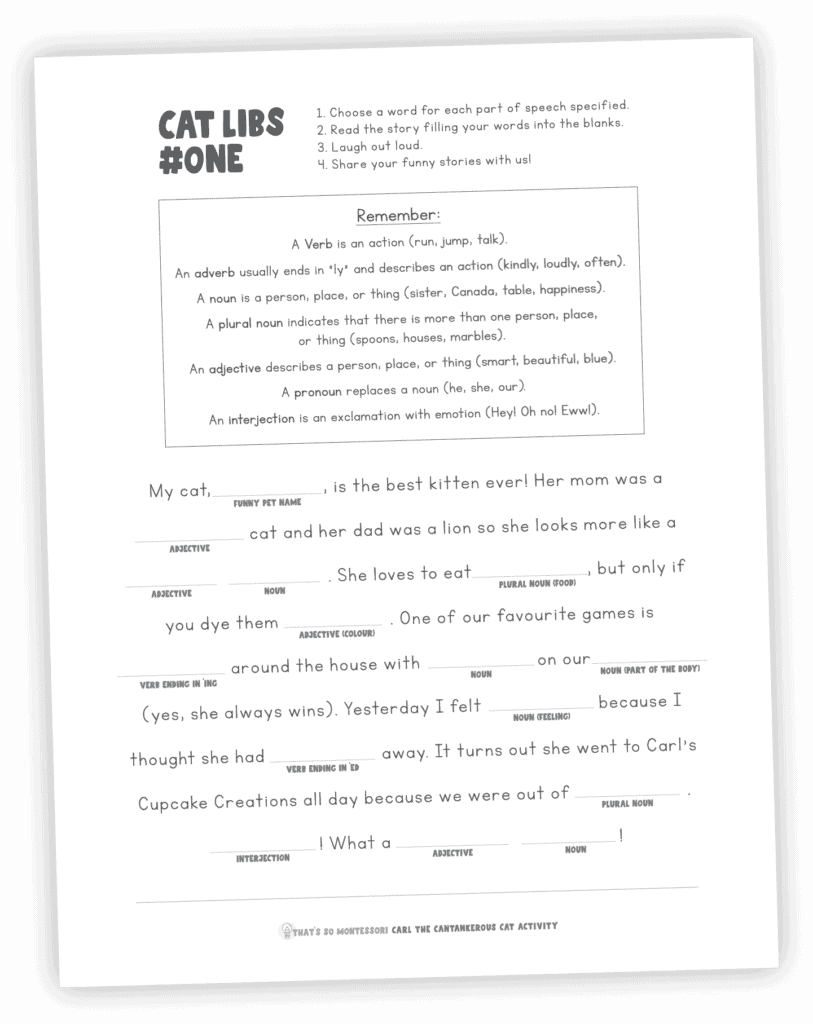
10. Identify the Parts of Speech of a Quote
Turn quotes into a grammar exercise.
How to Implement:
➡️ Provide age-appropriate quotes.
➡️ Students label nouns, verbs, adjectives, and other parts of speech.
➡️ Discuss how word choice shapes meaning.
Benefits: Strengthens grammar understanding while exploring meaningful text.
💡 Parts of Speech Fun For Your Students
Make learning even more fun! Join our newsletter for a free Cat Libs printable, a playful way for students to practice language and vocabulary while exploring quotes!
📥 Drop your email below to subscribe.
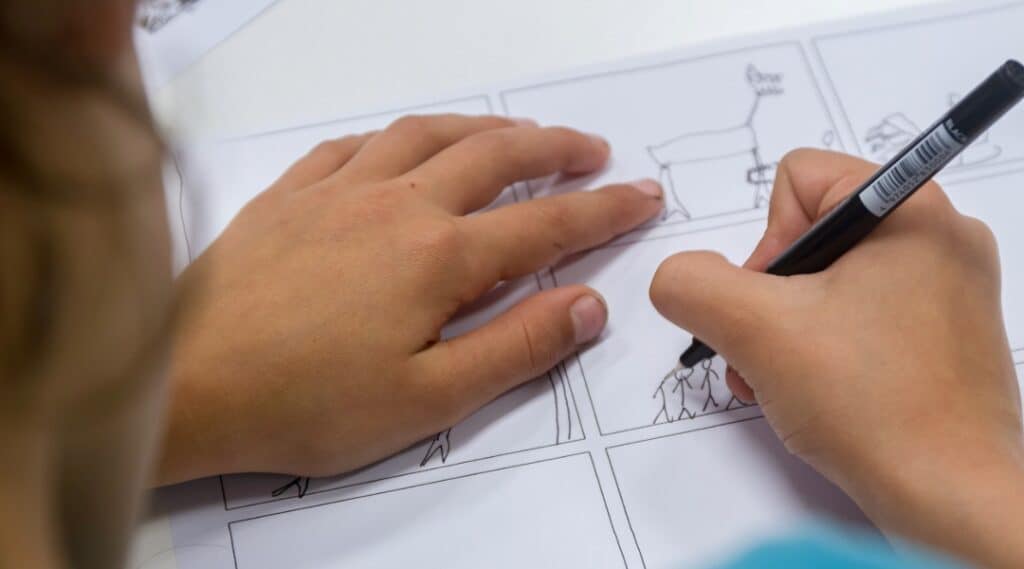
11. Quote Comics
Turn quotes into short comic strips.
How to Implement:
➡️ Give students a quote.
➡️ Have them create a 3–4 panel comic showing the quote in action.
➡️ Encourage dialogue and visual storytelling.
Benefits: Builds comprehension, sequencing, and creativity.
12. Quote Connections
Help students connect quotes to real life.
How to Implement:
➡️ Present a quote.
➡️ Ask students to connect it to:
💡a personal experience
💡a book they’ve read
💡or a real-world example
➡️ Share and discuss as a class.
Benefits: Deepens understanding and makes learning meaningful.

13. Classroom Quote Wall
A collaborative space where students add quotes that inspire them.
How to Implement:
➡️ Dedicate a wall, chalkboard, or bulletin board to student-selected quotes.
➡️ Encourage ongoing contributions.
➡️ Rotate quotes weekly to spark fresh discussions.
Benefits: Fosters a sense of community and shared inspiration.
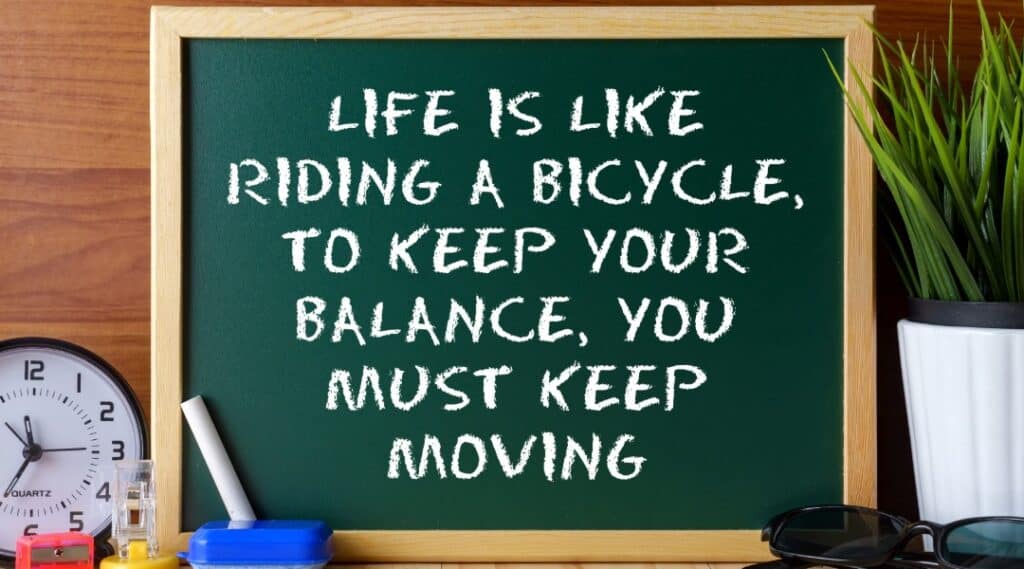
Why Use Quotes in Elementary Learning?
Before jumping into activities, it helps to understand why quotes are so powerful in an elementary classroom.
When used intentionally, quotes can support both academic learning and personal growth—without adding extra prep to your day.
Inspires and Motivates Students
Quotes pack big ideas into just a few words, making them easy for students to connect with and remember.
A simple quote like, “The more that you read, the more things you will know…” can spark conversations about learning, goals, and perseverance.
When you revisit quotes regularly, they help:
✅ build a positive classroom culture
✅ encourage reflection
✅ support a growth mindset

Builds Vocabulary and Comprehension
Quotes naturally introduce students to rich, meaningful language.
Instead of isolated vocabulary practice, students see words used in context—which makes them easier to understand and remember.
When students:
✅ discuss a quote
✅ write about it
✅ or apply it in an activity
…they’re strengthening both comprehension and communication skills.

Makes Learning Fun and Engaging
Quotes are incredibly versatile—they can be turned into games in the classroom, discussions, writing prompts, or creative projects.
This is where your fun activities with quotes come in.
A simple quote can become:
✅ a relay race
✅ a debate
✅ a piece of art
✅ or a short performance
👉 When learning feels interactive, students are more invested—and more likely to retain what they learn.

Easy to Integrate Across Subjects
Quotes don’t need their own lesson, they can fit naturally into what you’re already teaching.
🔢 Math: Explore the beauty and logic behind problem-solving
🔬 Science: Encourage curiosity and questioning
🗝️History: Build empathy and connect to real-world events
👉 This makes quotes a simple way to add depth to your lessons without adding extra workload.

The Wrap-Up: Fun Activities With Quotes
Quotes may be simple, but their impact in the classroom is powerful.
When students discuss, create, and connect with them, quotes become more than words—they become meaningful learning experiences.
The best part? No extra prep required.
Start with one quote. Try one activity.
A few words can go a long way.
📌 Pin this blog and circle back to it later!
Find more meaningful quotes to use in your classroom:
Abraham Hicks Quotes So Simple Even Kids Can Feel Their Magic
15 Powerful Charlie Kirk Quotes Every Kid Can Learn From
Tony Robbins Quotes That Inspire Kids to Think Big
The Most Powerful Anne Frank Quotes Every Kid Should Know
77 Montessori Quotes to Fuel Your Child’s Success Story Now
