

This is How to Add Value to Your Classroom Meetings
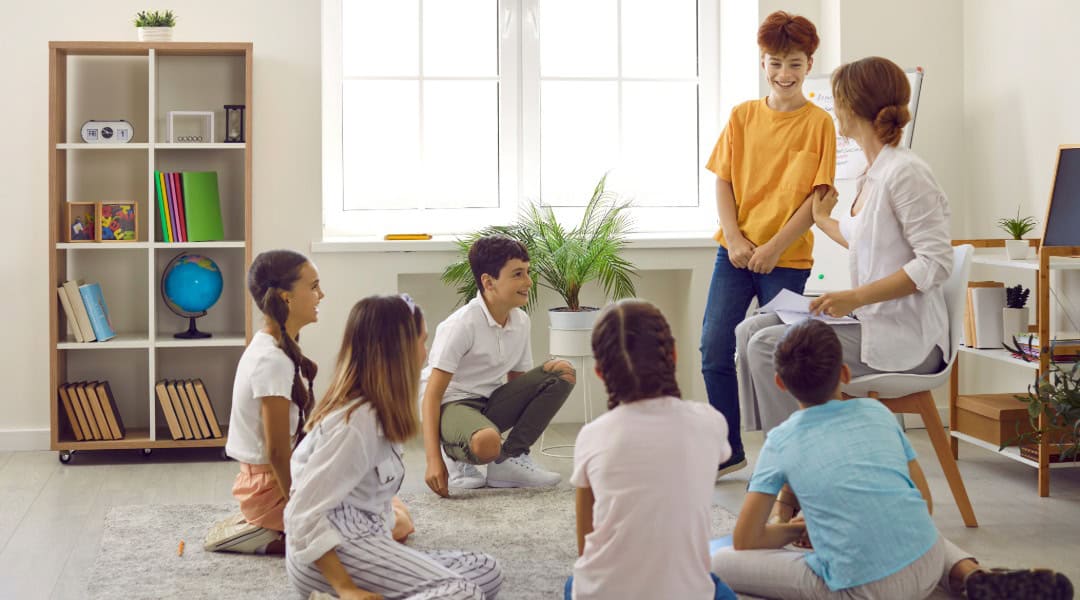
Classroom meetings are more than just a time to sit in a circle and talk—they’re a powerful tool for building community, trust, and emotional intelligence in elementary classrooms. When done well, classroom meetings become a space where students feel heard, respected, and genuinely connected to one another.
In my Montessori upper elementary classroom, we held several classroom meetings each week. But the one my students looked forward to most?
Our Friday afternoon peace circle.
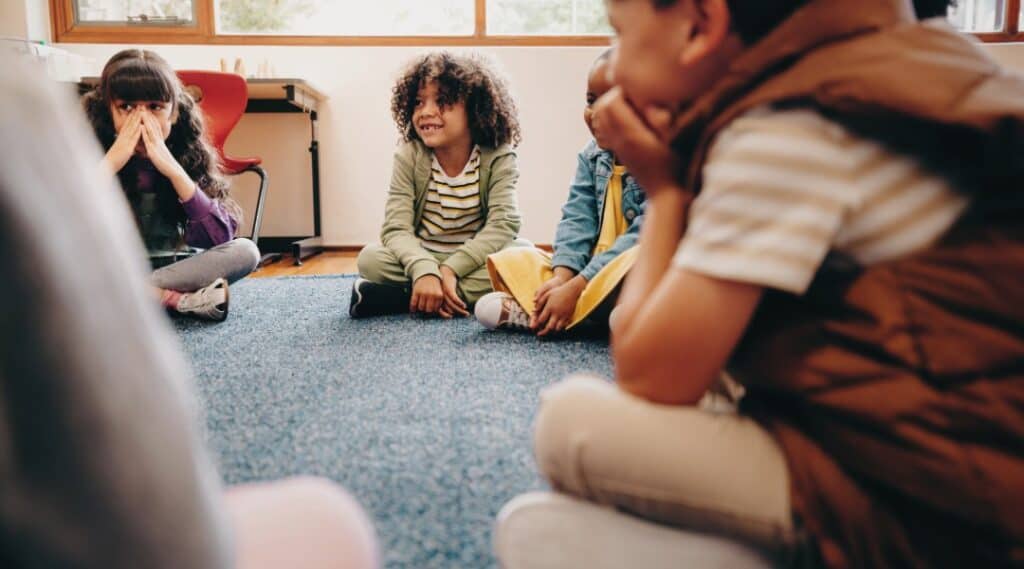
That simple end-of-week routine became one of the most meaningful parts of our classroom life—not because it was flashy, but because it gave students ownership, voice, and a sense of belonging.
Why Classroom Meetings Matter in Elementary
Elementary students in the second plane of development are deeply social. They’re learning how to:
🌟 navigate relationships
🌟 express emotions
🌟 resolve conflict
🌟 listen to different perspectives
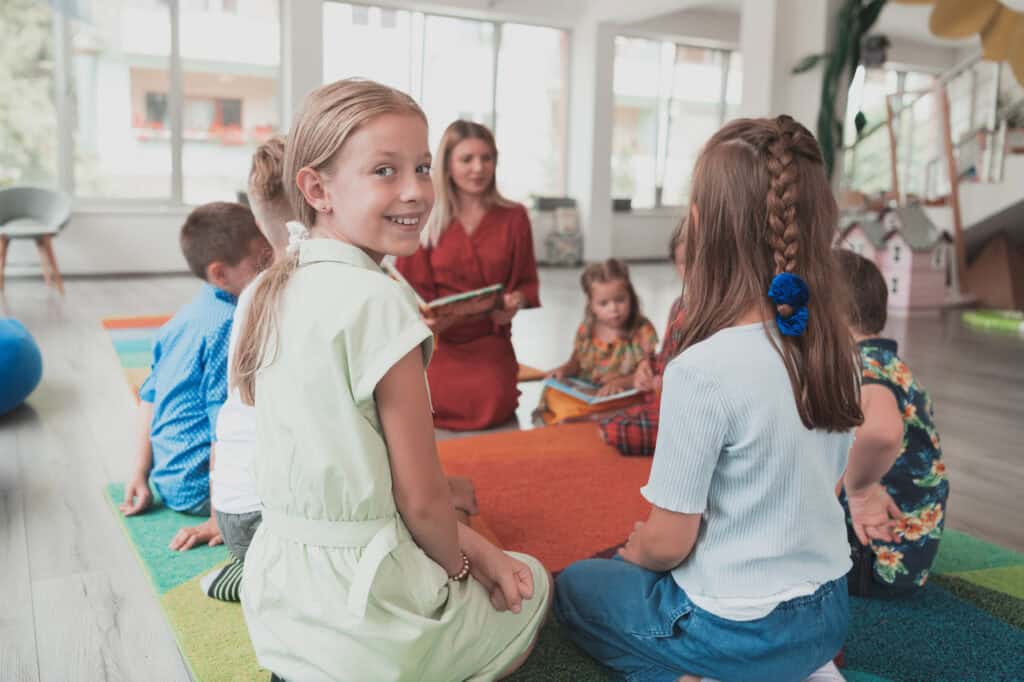
Regular classroom meetings create a predictable, safe structure where students can practice these skills in real time.
When classroom meetings are consistent and intentional, they help students:
✅ build trust and empathy
✅ practice respectful communication
✅ develop problem-solving skills
✅ feel responsible for their community
And perhaps most importantly, they learn that their voice matters.
What Is a Peace Circle?
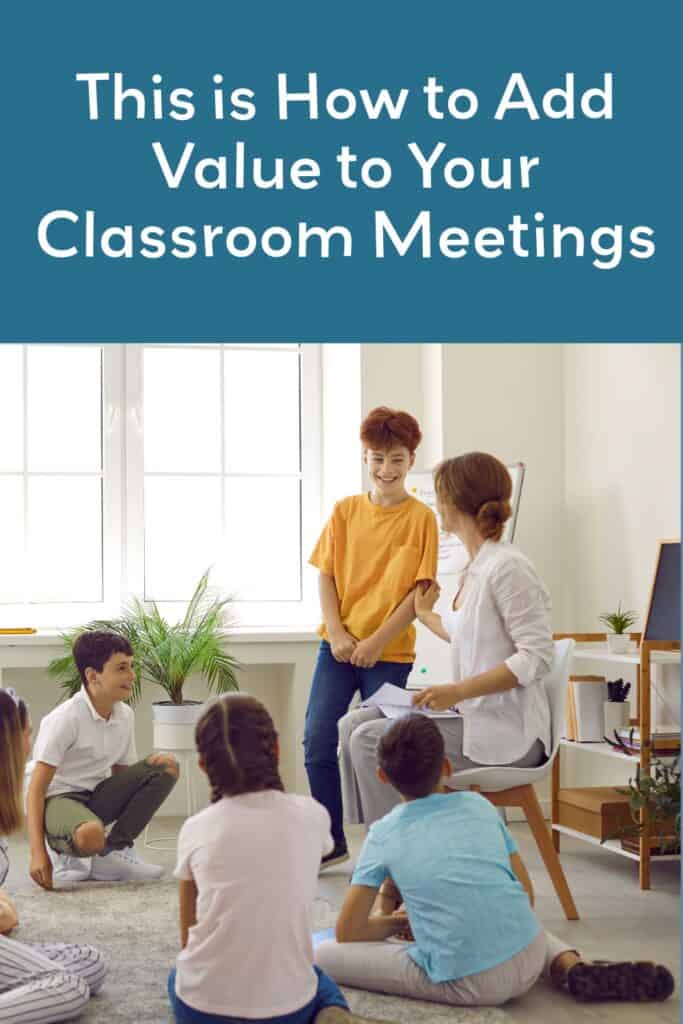
A peace circle is a type of classroom meeting where students and teachers sit together in a circle—no desks, no hierarchy, no “front of the room.”
Everyone faces one another.
Everyone has equal footing.
Everyone has the opportunity to speak—or simply listen.
Peace circles create an atmosphere of openness, trust, and mutual respect. They invite students to reflect on their week, celebrate positives, and work through challenges as a community.
💡 A peace circle is the perfect time to share inspiring Montessori quotes about peace!
Read our blog, 35 Montessori Quotes for Inspiring Peace, for uplifting quotes that will enrich your peace circle experience.
Student Leadership: The Key to Meaningful Classroom Meetings
One of the reasons peace circles work so well is that students run them.
Each meeting includes two rotating roles:
🪑 The Chair
➡️ actually sits on a chair, within the circle
➡️ follows the agenda
➡️ invites participation
➡️ ensures respectful conversation
📝 The Secretary
➡️ records key points
➡️ notes concerns or resolutions
➡️ keeps a record for future meetings
Rotating these roles weekly:
✨ builds confidence
✨ develops leadership skills
✨ gives students ownership of the process
This is Montessori learning in disguise—practical life, language, and social development all rolled into one.
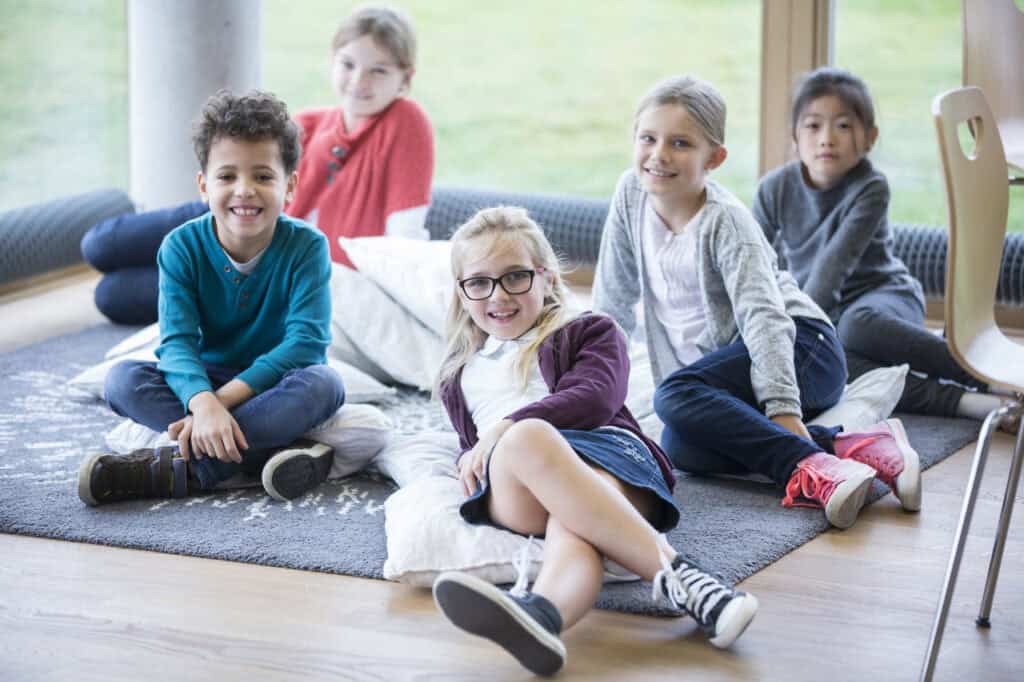
Setting Up the Space
For classroom meeting peace circles to work, the physical setup matters.
🔵 Sit in a true circle
🔵 Everyone on the same level
🔵 The chair remains on a seat, but part of the circle

In my classroom, we sat on the carpet, with the chair of the meeting on a stool still within the circle. This kept the energy calm, focused, and inclusive.
A Simple, Structured Classroom Meeting Agenda
Structure is what gives students confidence to share. A clear agenda keeps meetings focused while still leaving room for meaningful discussion.
Peace Circle Classroom Meeting Agenda
👋 Welcome
A warm greeting to open the meeting.
😊 Smiles
Students share something positive from their week.
💛 Thank Yous
An opportunity to recognize kindness or support from others.
🤍 Apologies
A safe space to take responsibility and repair relationships.
🗣 Conflicts or Concerns
Students bring up issues respectfully while others listen.
💡 Resolution Brainstorm
The group works together to suggest solutions.
📅 Upcoming Events
Important dates or reminders are shared.
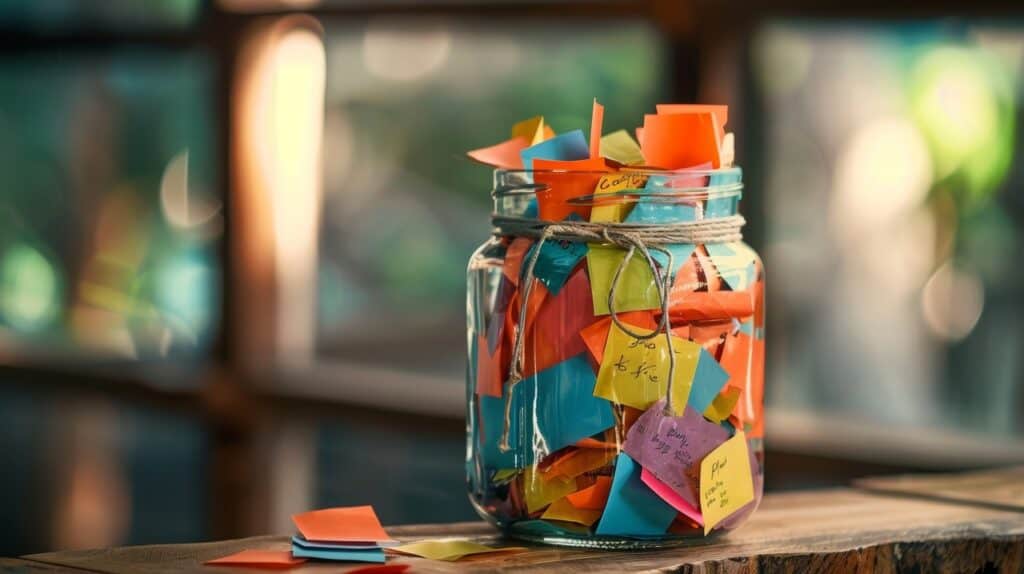
🫙 Gratitude Jar
Anonymous notes of appreciation are read aloud.
✨ Closing
The chair thanks the group and passes the agenda to next week’s leader.
This rhythm brings calm, closure, and purpose—especially on a Friday afternoon.
The Power of the Gratitude Jar
The gratitude jar quickly became a student favorite.
Throughout the week, students dropped in anonymous notes recognizing acts of kindness, teamwork, or effort. Reading them aloud during the peace circle shifted the tone of the room instantly.
This small practice:
💛 reinforces positive behavior
💛 builds empathy
💛 encourages reflection
💛 strengthens community
It’s simple—and incredibly powerful.
The Benefits of Peace Circles in Classroom Meetings
When peace circles become part of your regular classroom meetings, the benefits ripple outward.
🗨 Develop Communication Skills
Students learn how to express themselves clearly and listen actively.
🤝 Build Empathy and Respect
Hearing different perspectives helps students understand one another.
🧠 Strengthen Problem-Solving
Students collaborate to find solutions to real challenges.
🌱 Foster a Strong Classroom Community
Trust grows. Relationships deepen. Students feel connected.
Classroom Meetings at Home
Peace circles aren’t just for schools—they work beautifully at home, too.
Families can use the same structure to:
🏠 share highlights from the week
🏠 express gratitude
🏠 address concerns
🏠 problem-solve together

Taking turns leading the meeting helps children practice leadership and communication in a safe, familiar environment.
The Wrap-Up: Adding Value to Classroom Meetings
When classroom meetings are intentional, student-led, and consistent, they become more than a routine—they become the heartbeat of the classroom.
Peace circles teach students how to listen, reflect, repair, and grow together. They create space for honesty, empathy, and real connection.
If you’re looking for a simple way to add lasting value to your classroom meetings, start with a circle—and watch your classroom community flourish.
📌 Be sure to Pin this blog for future reference!
💡 Keep Kids Learning With the Activities in These Blogs:
Story Dice: A Fun Story Prompt Game Kids Love
13 Epic Math Card Games That Make Learning Irresistible
Grammar Games That Bring Language to Life
100th Day of School Activities Teachers Love and Kids Enjoy
57 Epic Montessori-Aligned Spring Break Activities
Rebus Puzzles for Kids: A Comprehensive Guide
The Best Neighborhood Walk Scavenger Hunt
Elevate Elementary Math Skills with This Math Card Game
Score Big with These 9 Super Bowl Classroom Activities
