
Simple Vocabulary Development Activities That Build Confidence in Young Learners
As an upper elementary Montessori teacher, I know how powerful vocabulary development activities can be for turning word learning into something students genuinely enjoy. There’s nothing better than hearing kids use new vocabulary naturally in conversation, confident and excited about what they’ve learned.
Over the years, I’ve tried all sorts of strategies to make expanding language skills fun and meaningful. In this article, I’m sharing my favorite methods — activities that are easy to implement, get kids thinking creatively, and really stick with them.
13 Hands-On Vocabulary Development Activities for Elementary Students
Tap into the power of Montessori-aligned vocabulary growth! Integrate these vocabulary building activities with your students and witness their understanding of words soar as they engage in meaningful language exploration.
1. Use Big Words In Conversation
I love sprinkling interesting words into everyday chat with my students. Words like loquacious or gargantuan catch their attention and get them asking questions—and that’s how learning begins!
Just be prepared to answer all of their questions about what those words mean, what their functions are and where they can learn more about them. Better yet, have them look the words up themselves in an actual print dictionary.
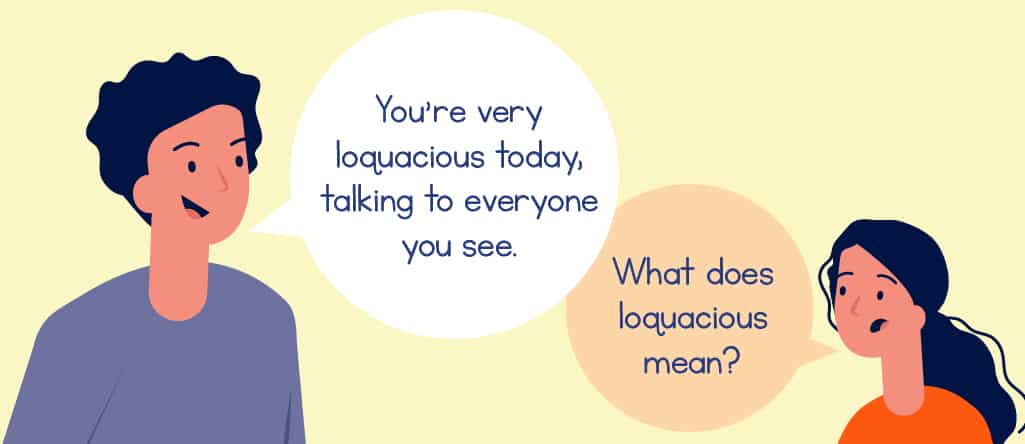
Why it works: The child in the second plane of development will hear words in context, get curious about their meanings, and naturally expand their vocabulary.
2. Hands-On Dictionary Activities
A dictionary isn’t just full of definitions—it’s full of hidden opportunities for learning in disguise and teachable moments. I often have students explore a print dictionary to find new words. Flipping pages and seeing words in order gives them a hands-on connection to language.
💡Don’t have a physical dictionary? Get one now!
We suggest Merriam-Webster’s Elementary Dictionary. This dictionary features 35,000 words along with some illustrations.
Dr. Maria Montessori felt strongly that the hand and brain must develop in harmony. Think of it like the hand reporting to the brain and then the brain guiding the hand. It’s a continuous cycle of development of the intellect.

Unlike finding the definition of a word online, using a print dictionary exercises more than just the child’s mind. Students search for definitions, learn alphabetical order, and discover words they wouldn’t normally encounter. It’s like a mini treasure hunt for language.
💡 Try these vocabulary development dictionary activities:
Noun, Verb, Adjective
Cut out 9 squares and label them “noun,” “verb,” and “adjective,” to represent different parts of speech. Shuffle the squares and place them face down. Open the dictionary to a random page and pick a square to see which part of speech to search for. Make a list of all the words on that random page that match the revealed part of speech.
Words, Words, Words
All players will need paper and a pencil. Each player picks one word from the dictionary, writes the word on a piece of paper, and places it in the middle of the table, piled with the words of other players. Starting with the word on top of the pile, each player writes a sentence using the word, even if they don’t know what it means. Players read sentences aloud and vote for the one they believe is correct. After voting is complete, the true definition is presented.
Why it works: Strengthens vocabulary, spelling, sequencing, and research skills all at once.
3. Read Widely and Often
I’m all about letting young learners plunge into all kinds of reading—comic books, graphic novels, fiction, non-fiction, poems, newspaper articles, picture books, magazines, blogs—you name it. Each type exposes them to words they don’t hear every day, and it keeps reading exciting.
I make sure to include materials that match their interests so learning feels natural. From graphic novels to quirky fact books, seeing new words in context helps them absorb vocabulary effortlessly.

As an upper elementary Montessori teacher, I often hear concerns about kids wanting to read only Captain Underpants. My take? If it gets them reading, let it! Even with quirky humor and misspellings, graphic novels hook reluctant readers and spark a love of books.
Reading a variety of texts also provides an opportunity for students to make new discoveries.
Poetry might inspire them to write a few lines or even their own song. Reading comics might unlock a love of drawing or storytelling. Magazines might lead a student to want to design. You just never know.
Here are 7 books that captivated my reluctant readers:
✨ Highlights Magazine
✨ Mr. Wolf’s Class
✨ The Guinness Book of World Records 2024
✨ National Geographic Kids Almanac 2024
✨ The Who Was series
✨ Game On!
✨ Laugh Out Loud Jokes for Kids
Why it works: Students encounter unfamiliar words in meaningful contexts, boosting comprehension and retention.
💡Looking for more ways to make reading fun?
Check out our blog, 31 Fun Summer Reading Activities Elementary Students Will Love, for even more exciting reading adventures your students won’t want to miss!
💡Reminder: Reading should never feel like a chore or punishment. Encourage kids to follow their interests, make their own choices, and witness their natural love for reading blossom!
4. Teach Vocabulary in Context
When introducing new words, I place them in sentences or stories so students can infer their meaning. For example, “Dewey dresses ostentatiously; he’s never seen wearing a dull outfit.” Context clues give students the tools to figure out tricky words themselves.

I also have students create their own sentences using these words, sometimes adding little illustrations to strengthen memory. It’s hands-on, creative, and makes the words stick.
Why it works: Students learn to decode words naturally while practicing critical thinking.
✨ Teacher Tip: How to implement this strategy.
Encourage students to craft their own definitions for unfamiliar words, either in a notebook or on the computer, as they build their personalized word journals with the words they’re learning.
Take it a step further by having elementary learners build sentences that incorporate these words correctly.
5. Word Games
I love word games! Whether in the classroom or at home, introducing a game that involves words is always a hit with my elementary students. When I bring enthusiasm to a word game, that excitement spreads—and students start to see learning as something fun, not just serious work.
Using word games in the classroom is a perfect way to include vocabulary development activities that introduce students to new words while keeping them engaged. These games create “stealth learning”—students are having fun, but they’re absorbing vocabulary, problem-solving, and critical thinking skills without even realizing it.
💡Here are some of my favourite word games for kids!
Wordle (kid-friendly version): Perfect for spelling practice, problem-solving, and logical thinking in a quick, daily game.
Scattergories The Card Game: A fast-paced, portable card game where students match words to categories. Great for upper elementary learners who love a challenge.
Scattergories Categories: While officially 12+, I’ve successfully used this with upper elementary students. Starting with categories first builds higher-level thinking and vocabulary skills.
Scrabble & Scrabble Slam: Classic favorites! Students expand vocabulary, practice spelling, and work quickly to create words. Scrabble Slam adds fast-paced excitement as learners build four-letter words simultaneously.
Bananagrams: Like Scrabble, but board-free! Students use lowercase letter tiles to build words. For extra support, I always keep a dictionary handy. There’s also Bananagrams For Kids (a printed book version) and Bananagrams Duel for two players, offering endless word-building opportunities.
Infuse your language curriculum with more joyful learning by incorporating vocabulary games. As learners relax and have fun, they effortlessly retain new words and information, fostering a dynamic language development experience.
Why it works: Word games make vocabulary practice interactive, social, and engaging. Students retain more words when they’re relaxed, having fun, and competing in a friendly, playful environment. Adding these games to your language lessons is an easy way to turn ordinary vocabulary practice into exciting, memorable vocabulary development activities.
💡 Rebus puzzles are a popular word game in my classroom!
Not familiar?
Rebus puzzles are clever picture-and-word puzzles that challenge students to think critically while decoding words. Kids develop problem-solving skills, reinforce vocabulary, and even strengthen pattern recognition—all while enjoying the game.
🧐 Check out some easy rebus puzzles here and see if you can solve them!
Keep reading to learn more about rebus puzzles!
6. Word of the Week
One of my favorite ways to boost vocabulary in elementary students is with a Word of the Week. Whether in person or online, students love discovering a new word each week—it adds a playful, exciting element to language lessons. I choose words that are funny, unusual, or a little tricky to spell, but still understandable enough for students to use confidently in their own sentences.
Each Monday, we introduce a new word and explore it together: defining it, identifying its part of speech, finding synonyms, illustrating it, and clapping out the syllables. Students then aim to use the word in conversation and writing throughout the week. You can even let students take turns selecting the word—it’s amazing what creative choices they make!
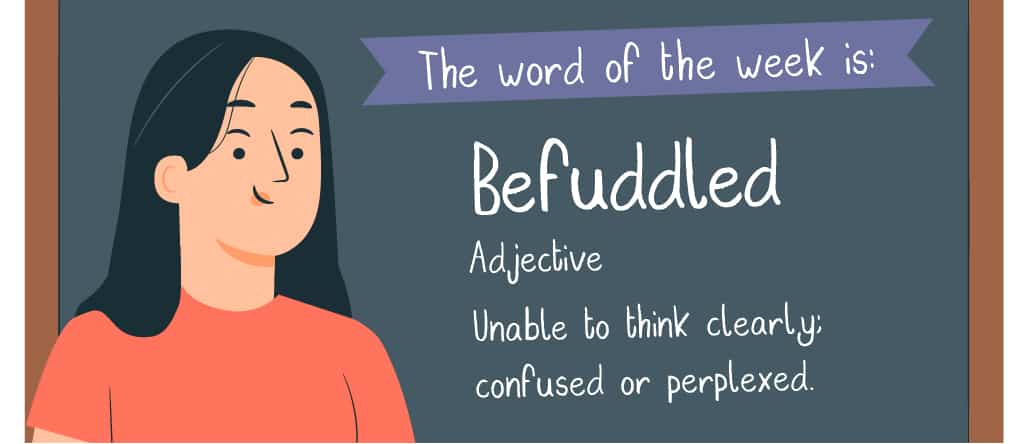
Why it works: Repeated exposure and active engagement help students create connections with new words, strengthening retention and encouraging natural use in conversation. When implemented consistently, students can learn 40 or more new words over the school year—an easy way to expand vocabulary through enjoyable, hands-on vocabulary development activities.
💡 Use our ‘Word of the Week’ vocabulary activities with your students!
Designed to develop vocabulary at the elementary level while having fun, these digital downloads were such a hit with my students that we had to turn them into a product for others to enjoy.
In both of our Word of the Week products, you’ll find 16 weeks’ worth of advanced words to study. This Google Slides document includes a different word on each slide with its definition, syllable breakdown, part of speech, as well as synonyms for the word.
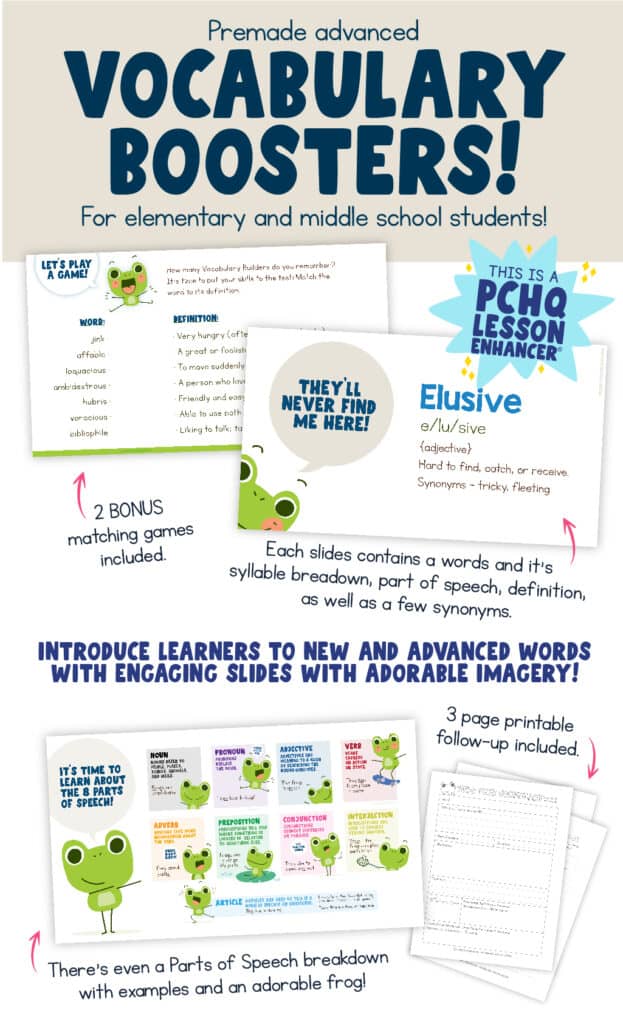
There are even example sentences provided to further expand their understanding of each word. Equipped with a graphic organizer, this lesson enhancer is great for building vocabulary at the elementary level.
🐸 🐸 🐸
Check it out and download our free sample pack!
This FREE DOWNLOAD is a sample of our Vocabulary Booster and includes a word slide, printable parts of speech poster, and a graphic organizer for learning and recording new words.
BONUS – the free sample pack also comes with printables and some math activities. It’s worth a click!
7. Boost Vocabulary With Root Words and Affix Activities
I love teaching root words and affixes because they give students those “aha” moments when they suddenly understand a whole family of words. Exploring roots and affixes changes the way learners see words—they start recognizing patterns and can decode unfamiliar terms with ease.
Understanding roots and affixes is an essential vocabulary development activity for elementary students. When they know that “micro” means small, they can figure out words like microscope, microbe, and microcosm. Similarly, teaching prefixes like un- or suffixes like -ful turns students into word detectives, empowering them to make sense of new words without always needing a dictionary.

Why it works: Learning roots and affixes builds word comprehension, strengthens decoding skills, and gives students a toolkit for approaching unfamiliar vocabulary independently. Even a complex word like inaudible becomes clear when they recognize that aud means “to hear” and in- means “not.”
💡 Try this activity: The Prefix Party
👊 Team up: Small groups each get a unique prefix.
🧐 Brainstorm: List as many words as you can with that prefix.
🏆 Friendly competition: See which team can gather the most “guests” (words) at their prefix party.
This game transforms learning roots and affixes into a fun, interactive vocabulary development activity that students genuinely enjoy—and it reinforces critical thinking and collaboration along the way.
8. Spark Creativity With a Word Collage
One of my favorite vocabulary development activities is having students create word collages. I give my elementary learners magazines or printed materials and let them cut out interesting words. Then, they choose a theme—like emotions or favorite hobbies—and use glue, markers, and large paper to craft their collages.

This hands-on activity not only expands vocabulary but also encourages creativity. Once the collages are complete, students share their work, sparking conversations about word choices and meaning. By arranging and displaying their words visually, learners retain new vocabulary more effectively and begin using these words naturally in writing and conversation.
Why it works: Word collages combine visual, tactile, and linguistic learning, making new words memorable. Students connect meaning with imagery, practice categorizing vocabulary, and apply words in real contexts—all while having fun and staying engaged.
9. Boost Vocabulary With Picture Books Featuring Rich Language
I’m a firm believer in using picture books to support vocabulary development activities, even with upper elementary students. Picture books simplify complex ideas, introduce meaningful words, and cover diverse topics—from books about money and emotions to cultural understanding—helping students encounter and explore unfamiliar vocabulary in context.
While chapter books and textbooks have their place, picture books captivate students and make learning new words enjoyable. In fact, my partner and I created Carl the Cantankerous Cat, a self-published picture book designed to engage elementary learners with rich language and playful illustrations. This educational picture book features over 70 sophisticated words, each defined in a user-friendly glossary, and comes with digital activity pages to extend vocabulary practice.
Discover rich vocabulary in Carl the Cantankerous Cat!
Explore over 70 sophisticated words and their meanings in a user-friendly glossary at the back of the book.
Learning new words is a joyful experience for children with Carl!

💡 Exciting News!
Explore the digital edition of our educational picture book, now paired with printable activity pages for enhanced learning experiences!
See more by clicking here!
Why it works: Picture books combine visual storytelling with contextual vocabulary, making words memorable and meaningful. Students see words in action, connect meaning with imagery, and are naturally encouraged to use new words in conversation and writing, all while enjoying a joyful reading experience.
💡 Boost vocabulary with fun!
Try these activities after reading picture books with your students.
Explore our list for classroom fun!
10. Form Word Connections With Synonyms
Students always get a kick out of exploring synonyms as part of their vocabulary development activities. A synonym is a word with the same or nearly the same meaning as another, and connecting new vocabulary to its synonyms helps students form lasting word associations.
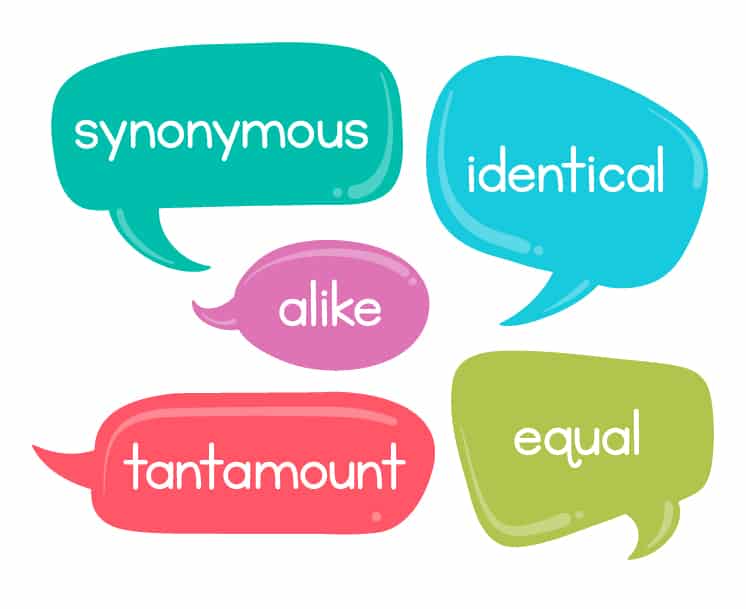
For example, instead of always saying “happy,” students can expand their expression with words like content, gleeful, or jovial. Using a thesaurus, such as DK’s Children’s Illustrated Thesaurus, makes this activity hands-on and interactive—students discover new words on their own while seeing how language can be flexible and expressive.
Why it works: Learning synonyms strengthens word comprehension and gives students a richer vocabulary for writing and speaking. By linking new words to familiar ones, learners build mental connections that make words easier to remember and use accurately in multiple contexts.
😺 Don’t Miss Out! 🐾
Subscribe now for a FREE cat emoji synonym activity!
Boost vocabulary development for 1st–6th graders with our PURRfectly fun cat emotion emojis. Get your students MEOWtivated and exploring new words—delivered straight to your inbox!
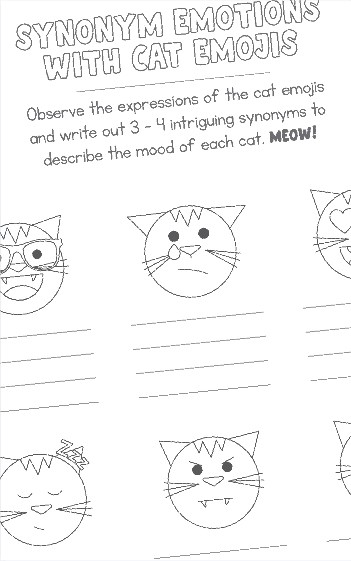
Subscribe to our email list for Montessori-aligned tips, classroom insights, product recommendations, and ideas for elementary learning. Stay inspired—subscribe today!
11. Use Word Flash Cards to Boost Vocabulary
In my classroom, flash cards are a go-to tool for reinforcing new words. I have students create their own cards—writing the word on one side and the definition, part of speech, or even a small drawing on the other. This hands-on approach helps them internalize vocabulary while adding a creative element.
If time is tight, pre-made flash cards work just as well. I’ve found that having a portable set of flash cards encourages quick review sessions anywhere—at desks, on the rug, or even during transitions. It’s a simple, effective way to keep vocabulary practice consistent and engaging.
Why it works: Flash cards give students repeated exposure to words, strengthen memory retention, and make abstract vocabulary tangible and interactive.
12. Rebus Puzzles As Vocabulary Development Activities
Engaging students with rebus puzzles is one of my favorite ways to make vocabulary development activities exciting and hands-on. These visual brain teasers challenge kids to think differently about language by decoding combinations of letters and images, encouraging exploration of word meanings, synonyms, sounds, and connections between words.
Check out our blog Rebus Puzzles for Kids: A Comprehensive Riddle-Solving Guide for playful riddles and inspiration to try with your students.
💡 Looking for ready-to-use rebus puzzles for your classroom?
Our rebus puzzle products are visually engaging and designed to stretch young minds. They help students interpret visual cues, think critically about word associations, and enjoy wordplay—all while building vocabulary.
Why it works: Rebus puzzles turn vocabulary development into a game, making learning memorable and fun. Kids are motivated to explore language in a non-traditional, interactive way, which reinforces new words naturally and encourages curiosity.
13. Build Vocabulary for Elementary Students Through Scavenger Hunts
Scavenger hunts are one of my favorite ways to make vocabulary development activities interactive and hands-on. Students hunt for words or items, making real-world connections that reinforce new vocabulary while keeping the activity exciting and playful.
💡 Want to know more about scavenger hunts?
✅ Read about the best neighbourhood scavenger hunt here!
✅ Learn how to make a scavenger hunt for kids here!
✅ Expand on the parts of speech with our Parts of Speech Scavenger Hunt!
✅Use our scavenger hunt products to actively engage kids in word discovery.
Why it works: Scavenger hunts immerse students in active, hands-on learning. As kids seek and identify items, they strengthen vocabulary, observational skills, and cognitive connections, turning word discovery into a fun, memorable experience.
Why Learning New Words is Important
Some words are short, some are long. Some are easy to pronounce, and others seem to ignore all the rules—like, why is there even a “g” in lasagna?
I love pointing out words that sound the same but have different meanings. Take “leak” and “leek,” for example. You could have a leak and leeks in your boat—though I’m not sure you’d enjoy either!

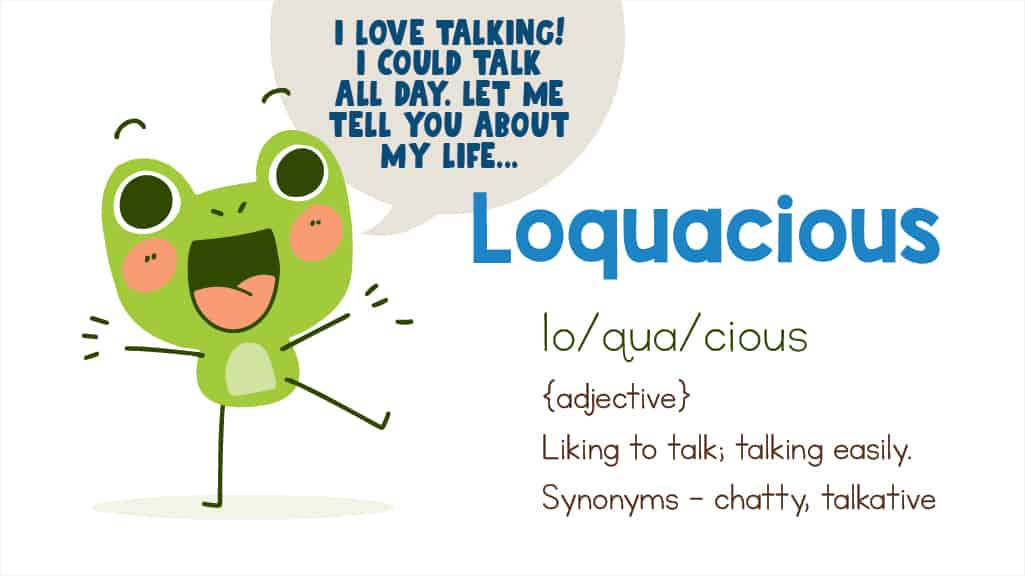
And then there are the words that are just fun to say. Loquacious, for instance. Isn’t that a word that rolls off the tongue? But what does it actually mean?
🔡 Keep reading to find out!
Those tricky, unusual, or funny words are the ones my students remember. They spark curiosity, get kids asking questions, and naturally lead to vocabulary growth.
Communication is Enhanced with Vocabulary Activities
Vocabulary development activities are essential in my classroom, and I can’t overstate how much expanding students’ word banks impacts their learning. Words are the tools we use to express needs, ideas, and feelings, and every part of communication—listening, speaking, reading, and writing—relies on them.

I’ve noticed that when students understand and use new words correctly, they feel proud and confident. A word I introduced once, “churn,” during a lesson on the Middle Ages, quickly took on a life of its own. Students “churned” in gym class, created “churn tag” at recess, incorporated it into creative writing, and even used it in math lessons. That one word sparked curiosity, creativity, and deeper understanding across the curriculum.
This is exactly why I include vocabulary development activities in our daily routine. They don’t just teach words—they give students the confidence to communicate thoughtfully and clearly, while opening their minds to new ideas. As Wilfred Funk said, the more words you know and understand, the more equipped you are to express yourself—and the more your mind can grow.
🧐 Use these vocabulary development activities year-round!
Great for use during the school year but also perfect for the summer to help prevent the summer brain drain!
Research Supports Vocabulary Development Activities
I’ve noticed that when students discover how fun it is to use a new word, they’ll find ways to incorporate it everywhere—just like the word “churn,” which appeared across multiple subjects for months. Those experiences make words stick, and students remember how to use them accurately.
Research backs this up: the words a child knows and uses are linked to later academic success. A rich vocabulary helps kids interpret ideas, express themselves precisely, enjoy what they read and hear, and think critically about the world around them. It also boosts confidence, as students feel proud when they can articulate their thoughts clearly.
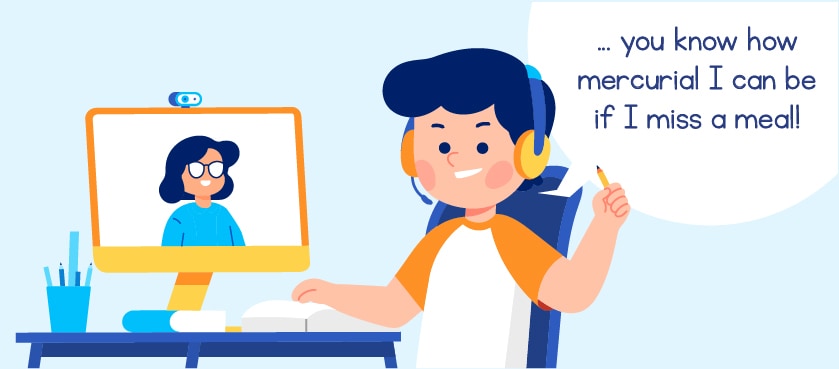
I’ve seen this with my Montessori students, including one homeschooled upper-elementary student who uses words I often have to look up—like “mercurial,” to describe unpredictable moods. By age nine, his strong vocabulary makes him a thoughtful and confident communicator. That’s exactly why I include vocabulary development activities in my classroom—they help students succeed academically and socially, all while having fun with words.
The Wrap-Up: Vocabulary Development Activities for Elementary Kids
These vocabulary development activities are tried, tested, and true—they were the ones that consistently worked with my elementary students. They helped kids not only grow their word banks but also gain the confidence to use new words in meaningful ways.
The best part? Many of these activities are just as effective for middle schoolers too.
Whether you’re teaching in a classroom, homeschooling, or simply looking for ways to spark a child’s love of language, these vocabulary development activities are simple, engaging, and full of lasting benefits.
Do you have any loquacious learners in your classroom?

Want more resources for the elementary child?
Be sure to read our other posts!