

11 Myths About the Montessori Elementary Classroom That Will Change Your Perspective
I’ve spent years in the Montessori elementary classroom, and I’ve heard just about every myth there is — that kids do whatever they want, there’s no structure, no tests, and no real learning.
The truth? Despite its growing popularity, the Montessori elementary classroom is still widely misunderstood.
If you’re a parent exploring options for your child in the second plane of development, or an educator curious about what Montessori looks like beyond the preschool years, this one’s for you.
Let’s clear up some of the most common misconceptions and take a closer look at what really makes the Montessori elementary classroom such a powerful space for learning.

What is Montessori?
Before we get into the myths, here’s how I define Montessori.
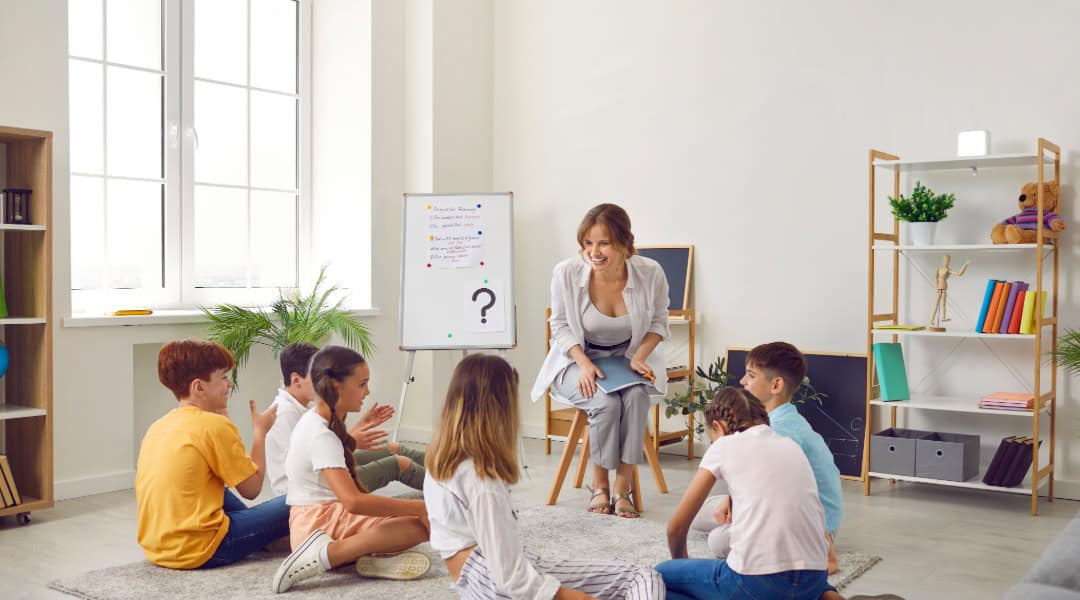
At its core, Montessori education is about recognizing the child as a capable, curious, and self-motivated learner. In the Montessori elementary classroom, students don’t just sit and receive information—they actively explore, question, and make connections. They’re trusted with real responsibility, real choices, and meaningful work.
In my classroom, I worked with mixed-age groups, observed closely, and gave individualized lessons using hands-on materials that made abstract concepts click. My role as a guide was to create an environment where learning felt both structured and full of freedom.

It’s a balance that fosters independence, critical thinking, and a genuine love of learning—and also one that’s often misunderstood. That’s why it’s time to clear up some of the biggest myths about the Montessori elementary classroom.
11 Myths About the Montessori Elementary Classroom
It’s time to explore and debunk some of the most common myths about the Montessori elementary classroom.
Myth #1: Montessori Students Don’t Adjust Well to Public School
This is a common concern, but it rarely matches what actually happens. Montessori students often transition with confidence because they’ve developed strong self-regulation, collaboration, and problem-solving skills. They’re used to managing their own learning and adapting to new environments, which makes change feel less intimidating.

Myth #2: The Montessori Elementary Classroom Is a Free-for-All
Montessori classrooms aren’t chaotic—they’re carefully structured environments with clear expectations. Students have freedom, but it’s freedom within limits, supported by routines, purposeful materials, and consistent guidance. What looks like “doing whatever they want” is actually thoughtful choice within a prepared space.
Myth #3: All Montessori Students Are Gifted
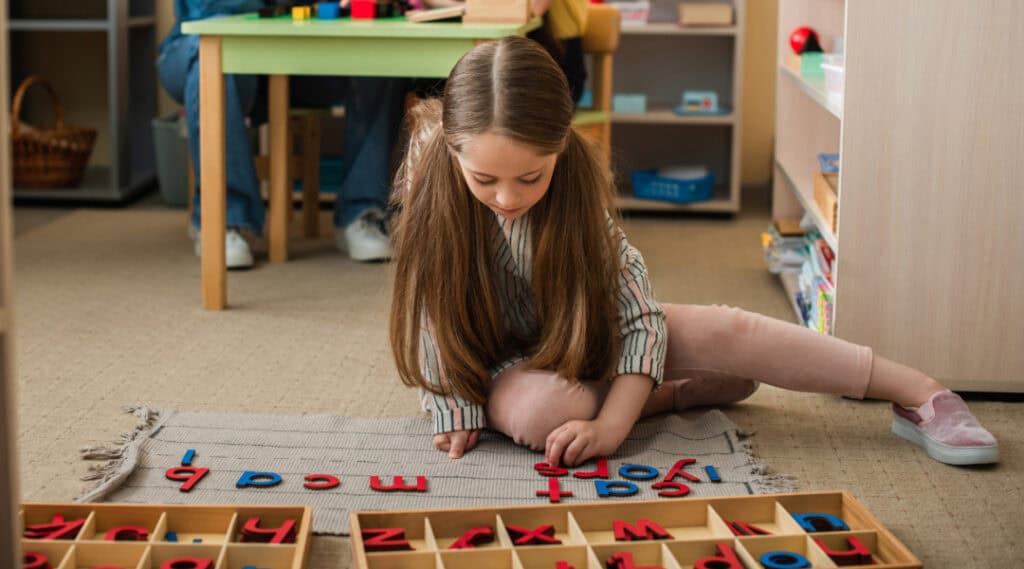
Montessori isn’t designed only for advanced learners. It supports a wide range of students—including those who need extra time, support, or flexibility. The individualized structure allows each child to grow at their own pace without comparison or pressure.
Want a Ready-to-Use Social Skills Activity You Can Try Tomorrow?
Our Grace and Courtesy Command Cards give you instant role-play prompts you can use during:
✅ morning meetings
✅ peace circles
✅ SEL blocks
✅ small group support
They’re simple, printable, and grounded in real classroom experience.
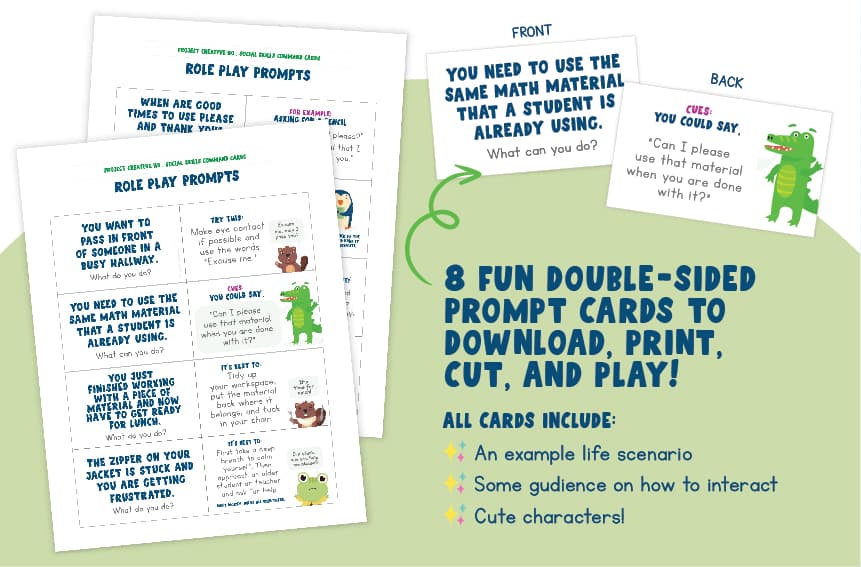
📥 Get the Grace and Courtesy Command Cards
(free with newsletter sign-up)
Myth #4: Montessori Is Just for Rich Kids
While some Montessori schools are private, many public and affordable options exist. The philosophy itself is rooted in accessibility and respect for all children, not income level. Many schools also offer scholarships and sliding-scale tuition to support diverse communities.

Myth #5: Montessori Is Too Unstructured
Montessori classrooms follow a strong internal structure, just not a rigid schedule. Learning is guided by clear goals, intentional lessons, and carefully sequenced materials. Students follow their curiosity, but within boundaries that support responsibility and growth.

Myth #6: Montessori Kids Don’t Get to Play
Play is central to Montessori learning—it just looks more purposeful. Students engage in collaborative projects, role-play, building, and hands-on exploration every day. These experiences blend creativity with real academic learning.

Myth #7: Montessori Is All Individual Work
Individual learning is important, but collaboration plays a huge role. Students regularly work together, share ideas, and learn from one another. Community and communication are deeply woven into the classroom culture.

Myth #8: Montessori Students Aren’t Prepared for Tests
Montessori doesn’t focus on test prep, but students often perform well on standardized assessments. That’s because they’ve built strong critical thinking, problem-solving, and independence skills. They understand material deeply rather than memorizing it short-term.
Myth #9: Montessori Is Only Hands-On Learning
Hands-on materials are one part of the approach, but Montessori supports the whole child. Social-emotional growth, intellectual curiosity, and moral development are equally important. The goal is long-term engagement with learning, not just tactile experience.

Myth #10: Montessori Elementary Classrooms Are Too Quiet
Montessori classrooms are calm, but not silent. Students talk, collaborate, debate, and share ideas throughout the day. The difference is that noise tends to be purposeful rather than chaotic.

Myth #11: Montessori Is Just for Toddlers
Montessori extends far beyond early childhood. The Montessori elementary years build on earlier foundations with deeper thinking, larger projects, and more complex social dynamics. Learning becomes more abstract, meaningful, and connected to the real world.

Why Choose Montessori Elementary?
Montessori extends far beyond early childhood. In the elementary years, children build on earlier foundations through deeper thinking, larger projects, and more complex social dynamics. Learning becomes more abstract, more meaningful, and more connected to the real world.
What makes this stage especially powerful is that children aren’t just learning content—they’re learning how to think, collaborate, and take responsibility for their own growth. Montessori supports independence, confidence, and curiosity, helping children become engaged learners who feel capable, motivated, and respected.

The Wrap-Up: 11 Myths About the Montessori Elementary Classroom
The Montessori elementary classroom offers something truly powerful, a learning environment that supports independence, curiosity, and deep engagement.
By clearing up these common myths, I hope it’s easier to see Montessori for what it really is: a thoughtful, well-structured approach that respects children as capable learners and helps them grow academically, socially, and emotionally.
Whether you’re exploring a Montessori lifestyle at home, looking to bring Montessori into your classroom, or simply curious about the philosophy, even small shifts—like encouraging independence or trusting children with real responsibility—can make a meaningful difference.
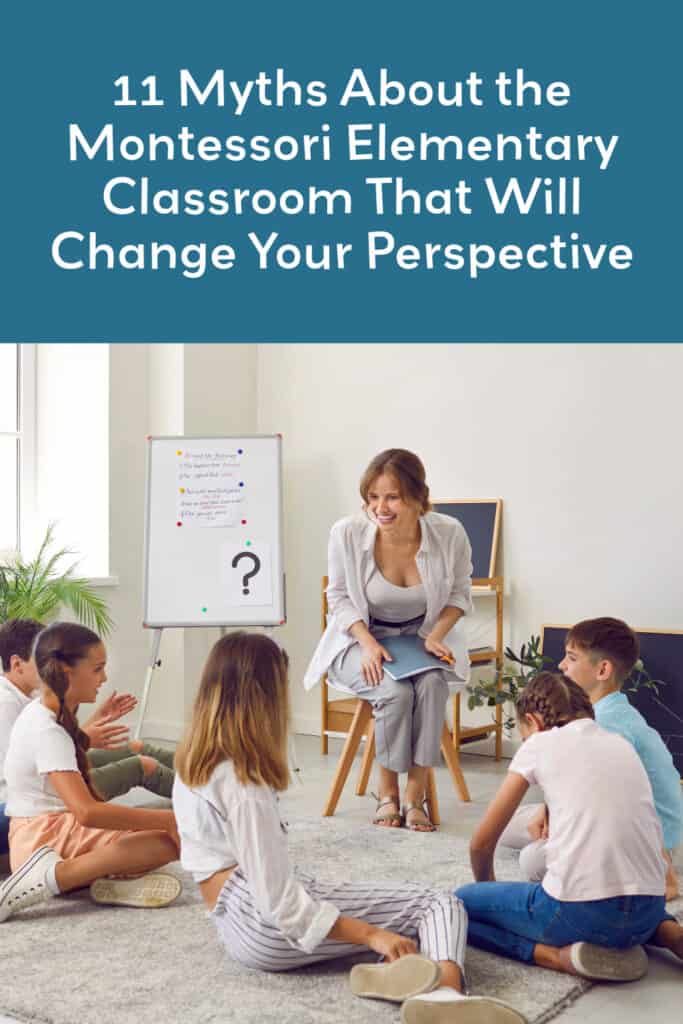
📌 Pin this for later—Montessori myths worth remembering.
💡Go Deeper with These Montessori Must-Reads:
Montessori Lifestyle: 13 Ways to Engage Your Kid at Home
Montessori vs Traditional School: Is One Better Than The Other?
5 Surprising Facts About Upper Elementary Montessori
This is How to Add Value to Your Classroom Meetings
How a Simple Gratitude Jar Can Impact Your Elementary Classroom
15 Benefits of Montessori Education Revealed by a Teacher
13 Fun Ways To Use Quotes In Elementary Learning
