

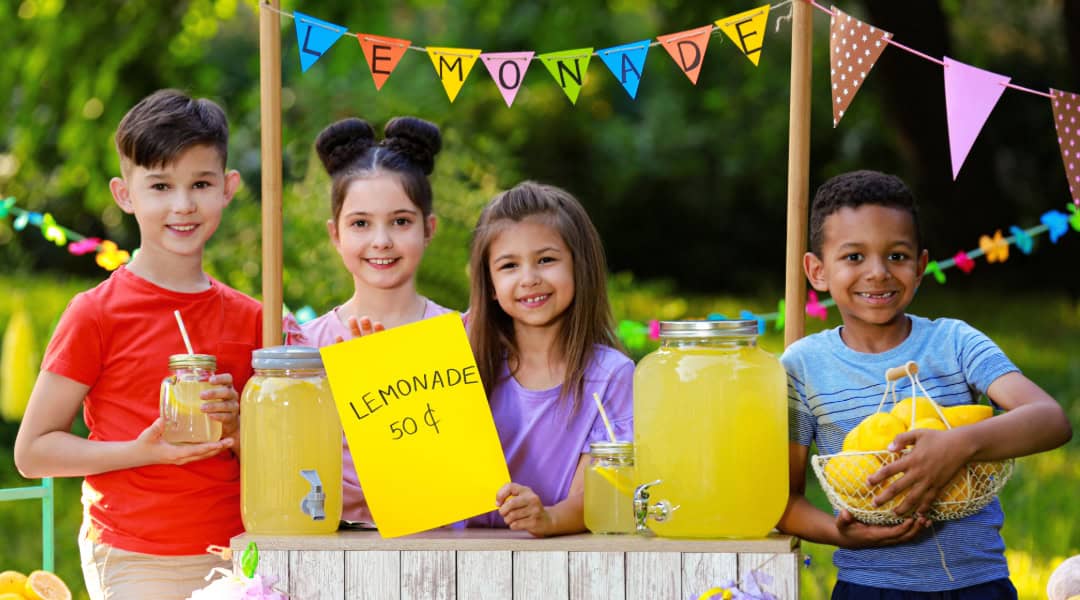
The Best Real-Life Summer Math Activities for Hands-On Learners
Summer break is the perfect time for kids in the second plane of development (age 6-12) to relax, recharge, and explore the world around them. It’s also an ideal opportunity to keep academic skills sharp through fun and engaging summer math activities that connect learning to real life.
Without practice, many students experience the summer brain drain, losing some of the progress they made during the school year. By integrating math into everyday activities, we can help kids retain and even build on their skills, all while solving real-world problems.
11 Summer Math Activities
Bring math to life this summer with Montessori-inspired activities that keep kids learning through hands-on fun. These engaging activities are so playful and inviting, your kids will be building math skills without even realizing they’re doing “work.”
1. Lemonade Stand Math
Looking for the perfect summer math activity? A classic lemonade stand gives kids a fun, hands-on way to strengthen financial literacy skills as they budget, price items, and manage their earnings – all while enjoying the sunshine.
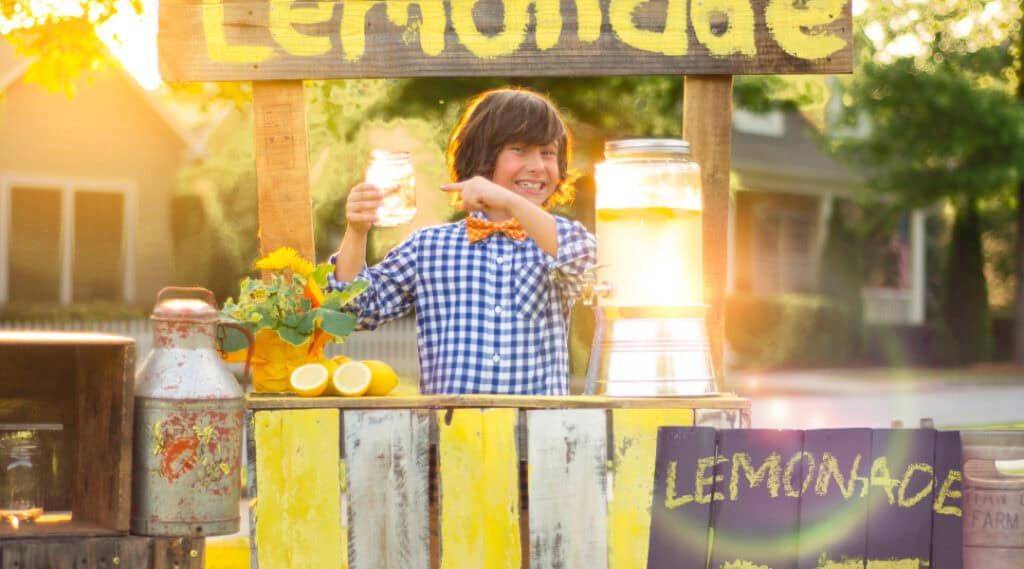
What You Need
lemonade ingredients, paper, markers, cups, a calculator (optional), a float of money
💡 The perfect read-aloud to go with this summer math activity:
Lemonade in Winter: A Book About Two Kids Counting Money by Emily Jenkins. It’s a playful story about kids counting coins.
How to Do It
🍋 Pick a Date & Time
Help your child choose a sunny afternoon when neighbors are likely to be out and about, weekends are usually best!
🍋 Find a Simple Lemonade Recipe
Look one up together (or use a family favorite!) and decide how much you’ll need to make based on how many customers you expect.
🍋 Make a Shopping List & Budget
List all the ingredients and supplies (lemons, sugar, cups, signs, etc.), and estimate the total cost. Head to the store and keep track of what you spend.
🍋 Set a Price per Cup
Based on your supply costs, work with your child to set a price that will help them cover their expenses and make a little profit. Talk about value and affordability too!
🍋 Advertise Around the Neighborhood
Make colorful flyers or posters and hang them on local bulletin boards, light posts, or mailboxes (with permission!). You can also let neighbors know through a community group or text.
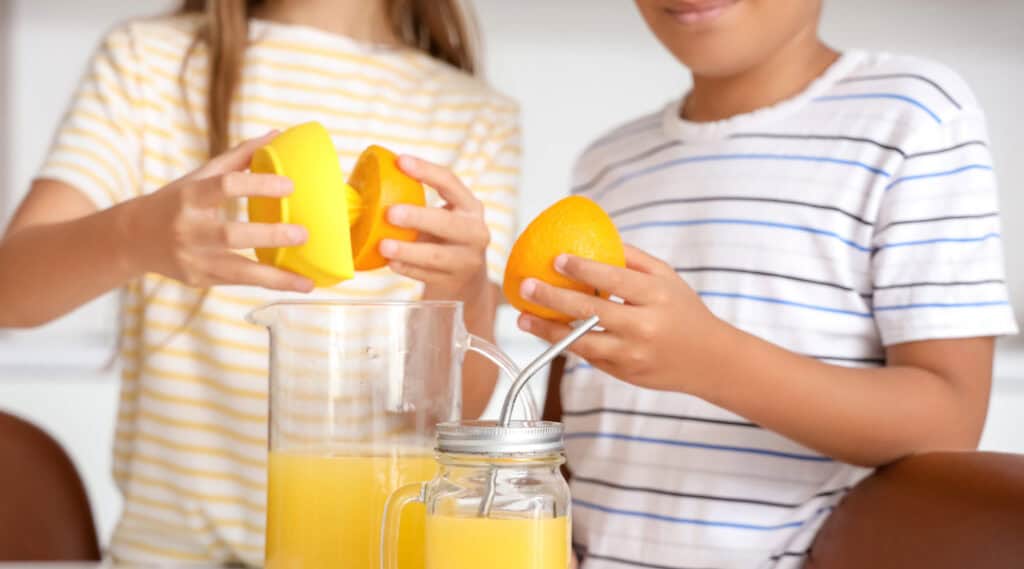
🍋 Create a Stand Setup
Decorate the lemonade stand with a sign, a price list, and any fun extras (like drawings or a tip jar). Practice customer greetings and change-making in advance.
🍋 Track Sales Throughout the Day
Have your child tally how many cups they sell and record the money they make as they go, either on paper or using a simple chart.
🍋 Count Earnings & Calculate Profit
At the end of the day, subtract the cost of supplies from the total money earned. Discuss what went well, what they might do differently next time, and what they want to do with their profit!
Variation
Older kids can create a spreadsheet to calculate expenses and profits, while younger ones can practice basic addition and subtraction with cash transactions. They can also expand their product offerings to include baked goods.
2. Bake and Measure
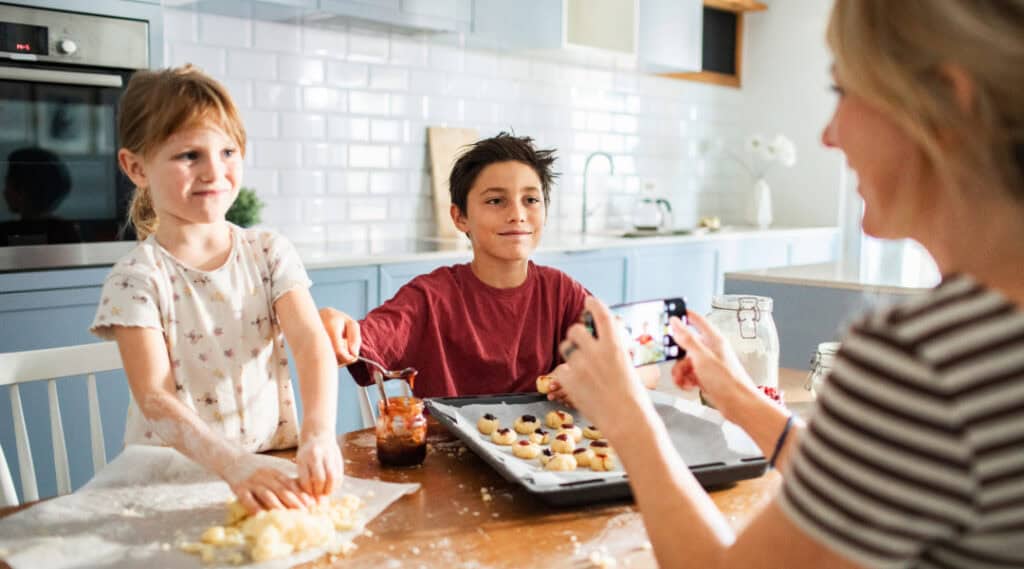
Whip up some treats and watch kids learn about fractions, measurements, and ratios, all while having fun in the kitchen!

What You Need
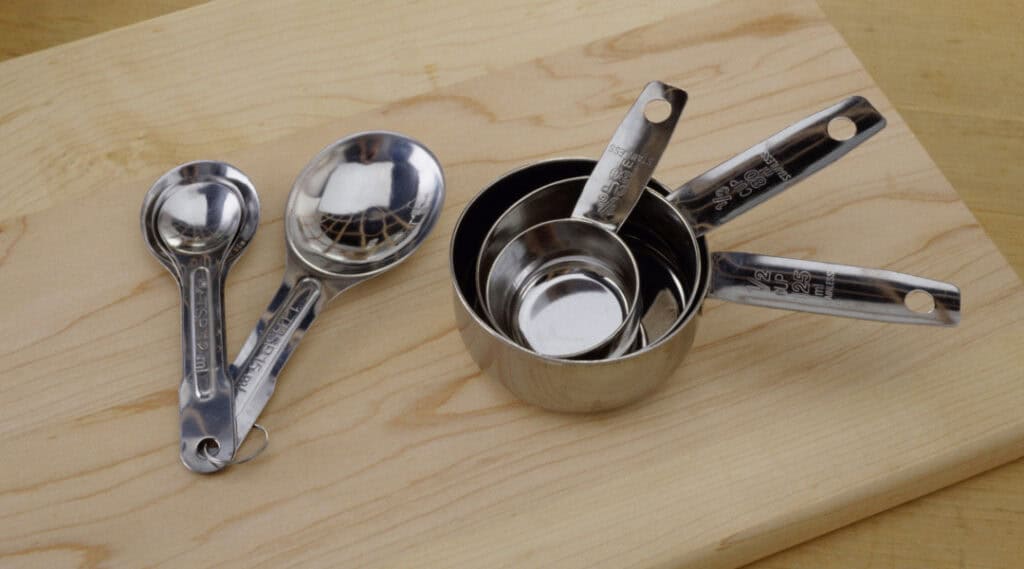
ingredients for a simple recipe, measuring cups, spoons, adult supervision and assistance for using the oven
How to Do It
🧁 Pick a Recipe Together
Choose a simple recipe your child is excited about – cookies, muffins, or pancakes are great options!
🧁 Measure Ingredients with Math in Mind
As your child measures out each ingredient, talk about units of measurement and how fractions work in real life (like ½ cup vs. ¼ cup).
🧁 Play with Portions
Ask questions like, “What happens if we double the recipe? How much flour would we need then?” or “What if we only made half?”
🧁 Practice Estimating
Before using measuring tools, have your child guess how much a half cup looks like, then measure and compare! It’s a great way to build number sense and estimation skills.
Variation
For younger kids, choose a recipe with just a few ingredients and have all the materials pre-measured or lined up in order. For older children, try scaling a recipe up or down to serve more or fewer people.
3. Grocery Store Math
Turn a shopping trip into a math adventure this summer by involving kids in budgeting and calculating.

What You Need
shopping list, budget, calculator
How to Do It
🛒 Set a Budget Together
Decide on a spending limit for a meal or your weekly groceries, and explain the goal to your child.
🛒 Estimate and Round Prices While Shopping
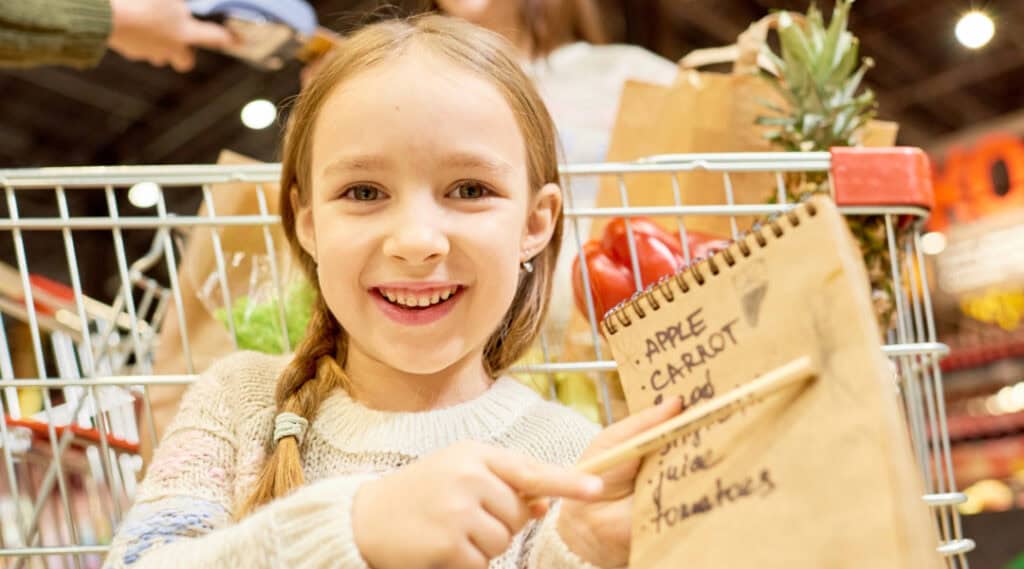
As you shop, have your child round up each item’s price to the nearest dollar and keep a running total. It’s a simple way to practice mental math and get a sense of how quickly costs add up.
🛒 Review the Final Bill
At checkout, compare your child’s estimated total to the actual cost. Talk about why rounding helps with budgeting and how it prepares for extra costs like tax.
Variation
For an added challenge, have them calculate discounts or taxes on items.
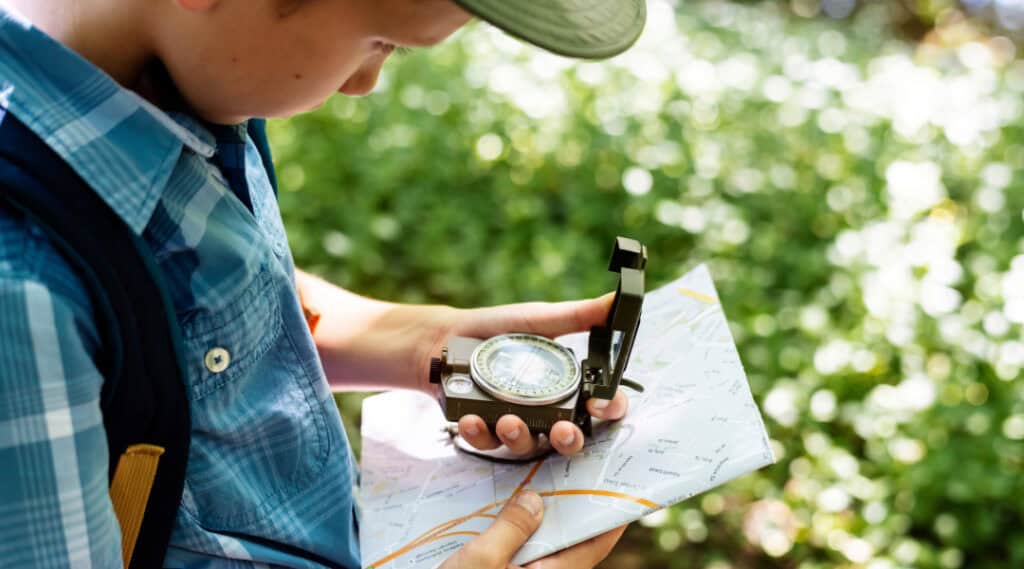
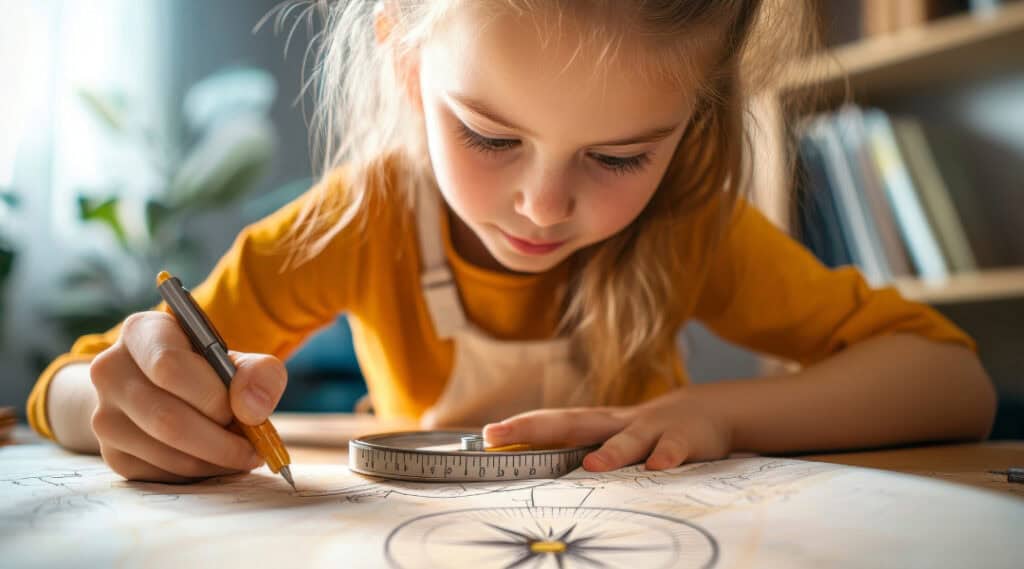
4. Map Your Neighborhood
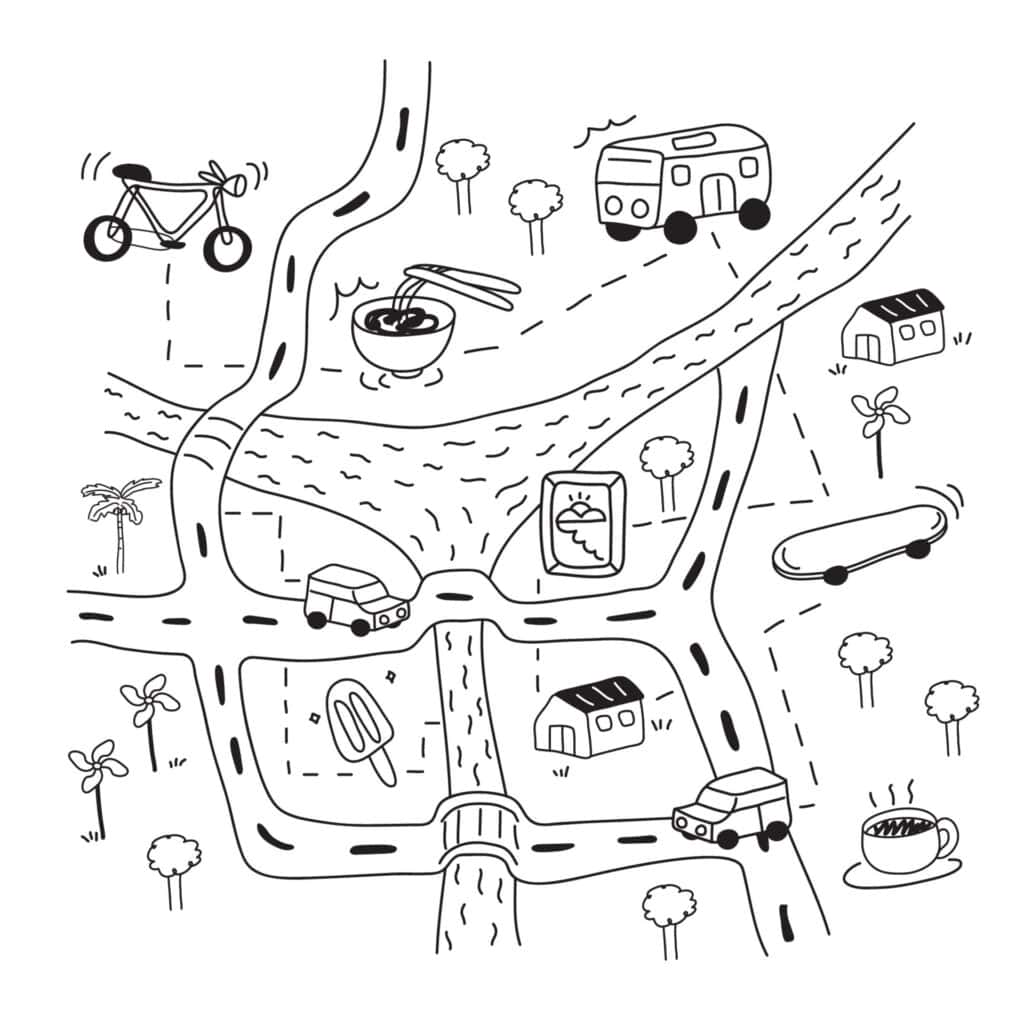
Help kids learn about geometry and spatial reasoning by creating a map of their neighborhood.
What You Need
paper, pencils, rulers, measuring tape
How to Do It
🗺️ Take a Neighborhood Walk
Explore your neighborhood with your child and use a measuring tool (like a phone app, pedometer, or measuring wheel) to record distances between familiar landmarks – like your house, the park, or the corner store.

🗺️ Create a Scaled Map
Back at home, help your child turn those measurements into a simple map. Decide on a scale together (e.g., 1 inch = 10 meters) and use a ruler to keep distances accurate.
🗺️ Add Real-Life Details
Label streets and draw symbols for key spots like houses, playgrounds, schools, or mailboxes. Encourage creativity while keeping it clear and organized, just like a real map!
Variation
Use graph paper for added precision, or incorporate compass directions and scale bars for older kids ready to take their maps to the next level. Encourage your child to create a map legend with symbols for landmarks like houses, trees, parks, and schools, just like real cartographers do!
5. Plan a Backyard Party (and Learn Budgeting Too!)
Give your child a set budget to plan a backyard party. They’ll practice money management as they decide how to spend on snacks, decorations, and fun extras. No backyard? No problem! It’s just as fun to plan a summer celebration at a local park or the beach.

What You Need
paper, pencils, pricing information for items like snacks, decorations, and games
How to Do It
🎈 Set a Budget
Decide how much money can be spent on the party, this becomes the spending limit your child has to work with.
🎈 Plan & Price It Out
Make a list of party needs like snacks, drinks, decorations, and any materials needed for games. Look up prices together (online or in-store) and compare options to find the best deals.
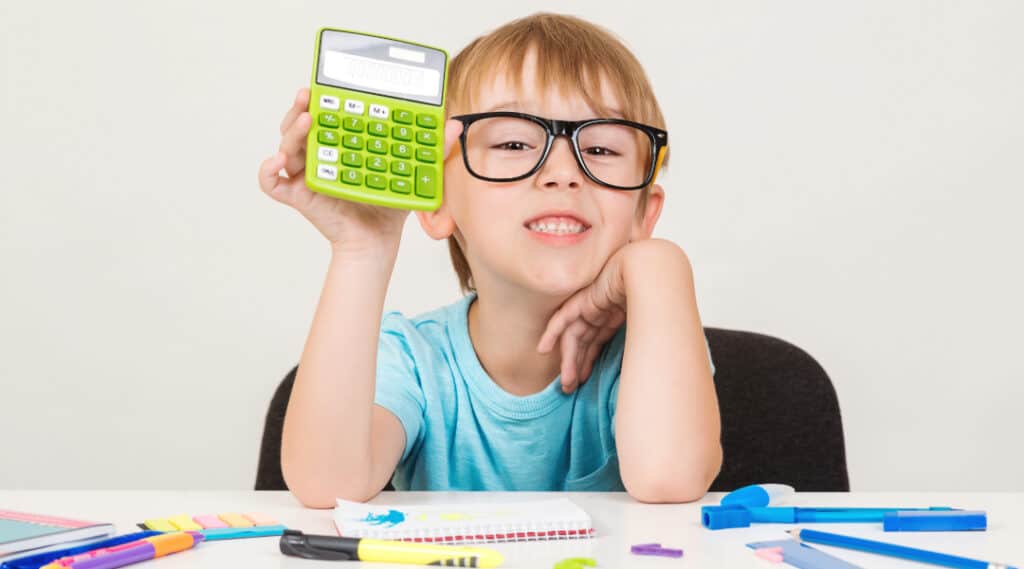
🎈 Create a Party Plan
Help your child make final choices and put together a party plan that fits within the budget. Talk about trade-offs and smart spending, just like real event planners do!
Variation
For younger kids, simplify by focusing on just one part of the party, like snacks or decorations, and working with a smaller budget. Older kids can take it further by creating a full event budget, comparing prices, and factoring in tax. For an extra challenge, have them design invites or write a short pitch to explain their party plan.

6. Garden Math
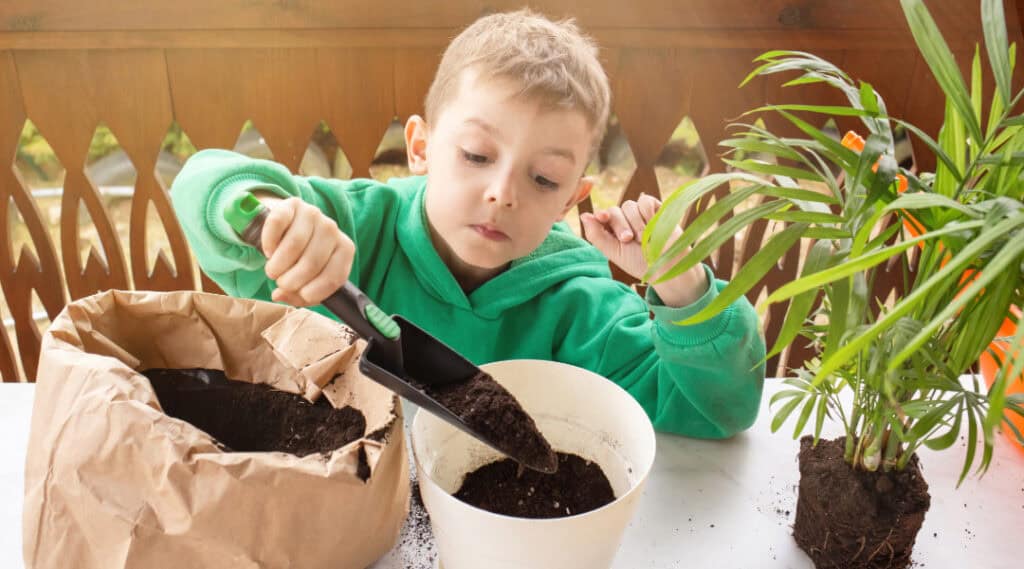
Planting and caring for a garden (whether in your yard or on a windowsill) is a great way to explore multiplication, division, and measurement. Kids can count seeds, space plants evenly, and track growth over time for hands-on math practice.
What You Need
seeds, gardening tools, ruler, and notebook
How to Do It
🌱 Choose Your Plants and Plan Your Garden
Pick easy-to-grow seeds or plants like beans, sunflowers, or herbs. Measure your garden bed or pots with a ruler or tape measure to figure out how much space you have.
🌱 Calculate How Many Seeds to Plant
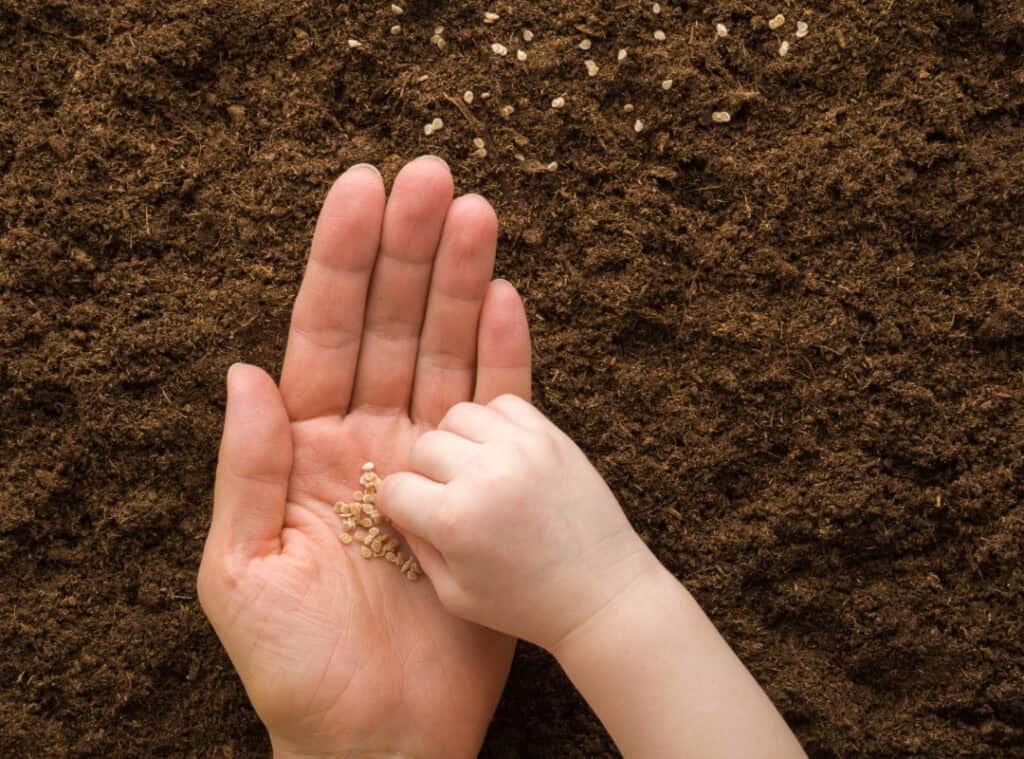
Help your child figure out how many seeds fit in each row by dividing the row length by the space each seed needs. Then multiply by the number of rows to find the total seeds to plant.
🌱 Plant and Label
Plant your seeds following your measurements and label each row or pot to keep things organized.
🌱 Track Growth Weekly
Measure your plants’ height every week and record the numbers in a notebook or make a simple chart or graph to watch how they grow.
🌱 Water with Math
If you have a set amount of water, divide it evenly among the plants or rows so each gets the right amount.
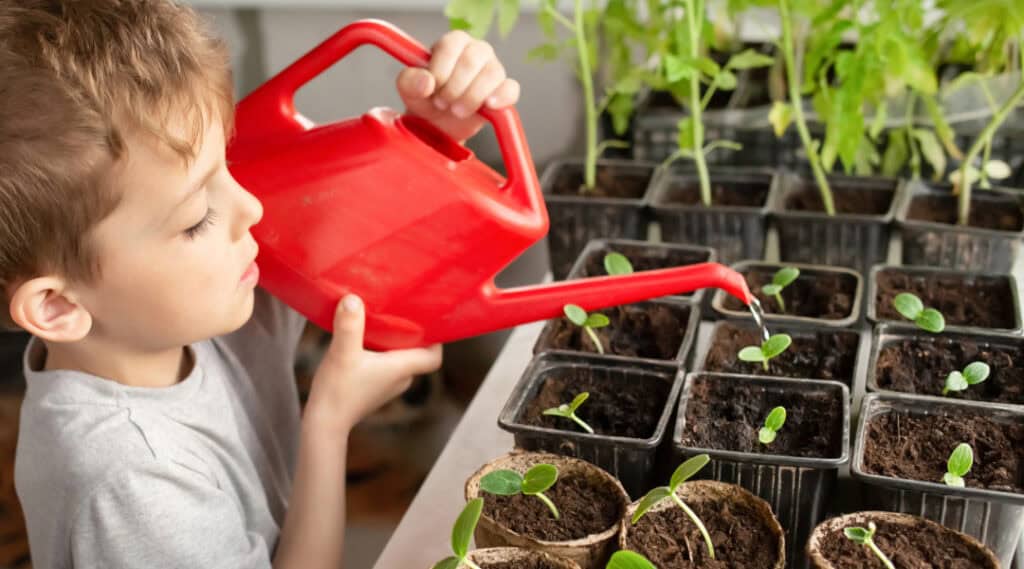
🌱 Extend the Learning
Compare growth between different plants or spots with more or less sun. Make predictions, take notes, and share your garden math story at the end!
Variation
Compare the growth rates of different plants or predict how long until vegetables are ready to harvest.
👇 Share this quick and impactful video about math and measurement in the garden:
7. Travel Distance Tracker
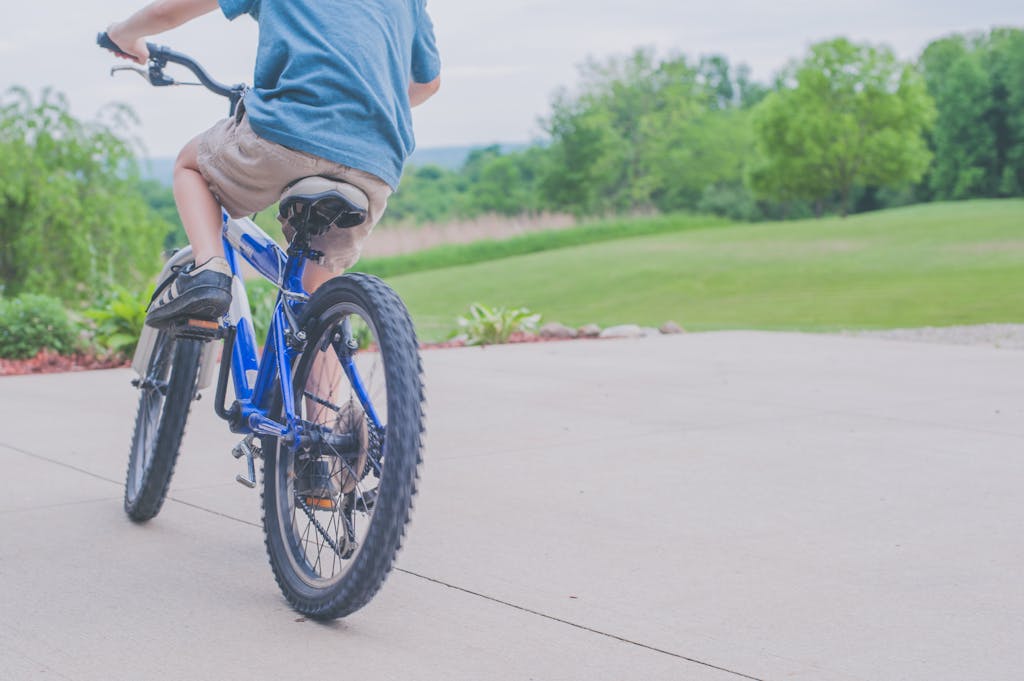
Make traveling by train, plane, or automobile (or foot, bus, or bicycle, or scooter) educational by calculating distances and travel times.
What You Need
How to Do It
🚗 Choose your route and use a map or GPS app to find the distance between your starting point and destination.
🚗 Use a stopwatch or timer to track how long it takes to travel that distance by your chosen method – walking, biking, driving, or public transit.
🚗 Calculate your average speed by dividing the distance by the travel time.
🚗 Compare your results for different trips or modes of transportation to learn which is fastest or most efficient.
Variation
For younger kids, focus on measuring distances by counting steps or using a pedometer to track how far they walk or bike. For older kids, include fuel costs and MPG (miles per gallon) calculations to explore travel expenses and efficiency.
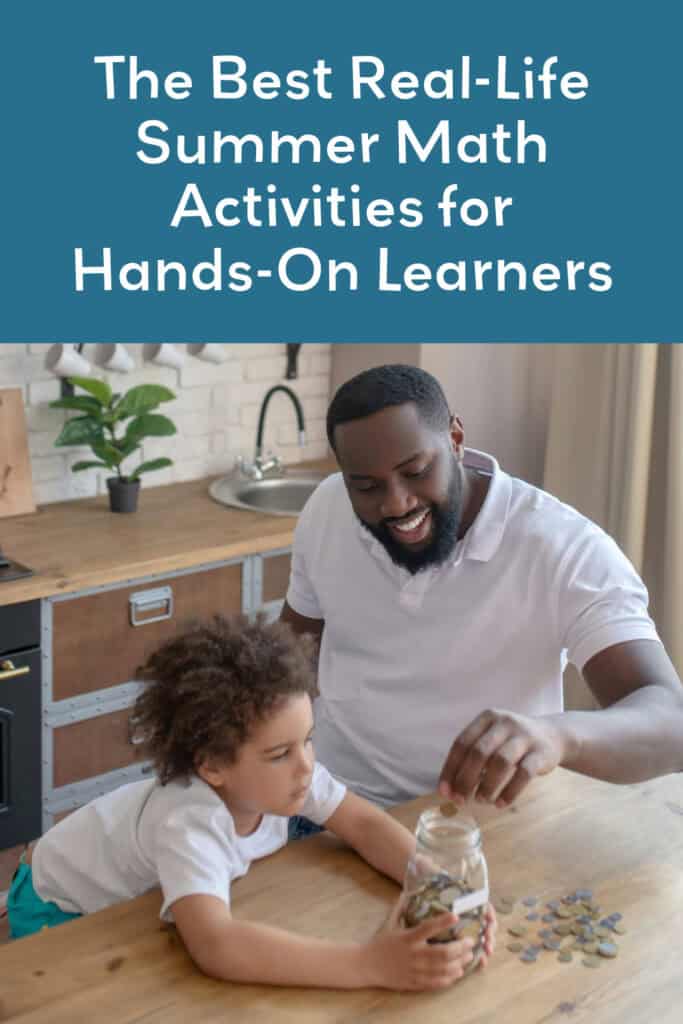
8. Coin Sorting and Rolling
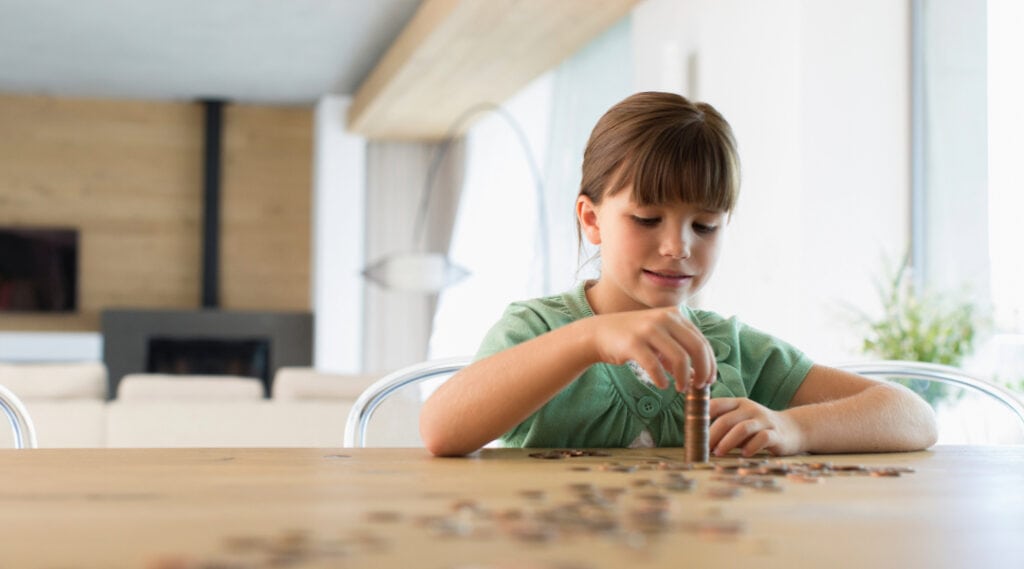
Organize spare change while practicing counting, sorting, and grouping.
What You Need
jar of coins/piggy bank, coin rolls (optional)
How to Do It
🪙 Invite the child to pour out the jar of coins onto a tray or mat to define their workspace.
🪙 Sort the coins by denomination (pennies, nickels, dimes, quarters, etc.), creating a separate pile for each type.
🪙 Count how many of each coin they have and record the totals on paper or a chart.
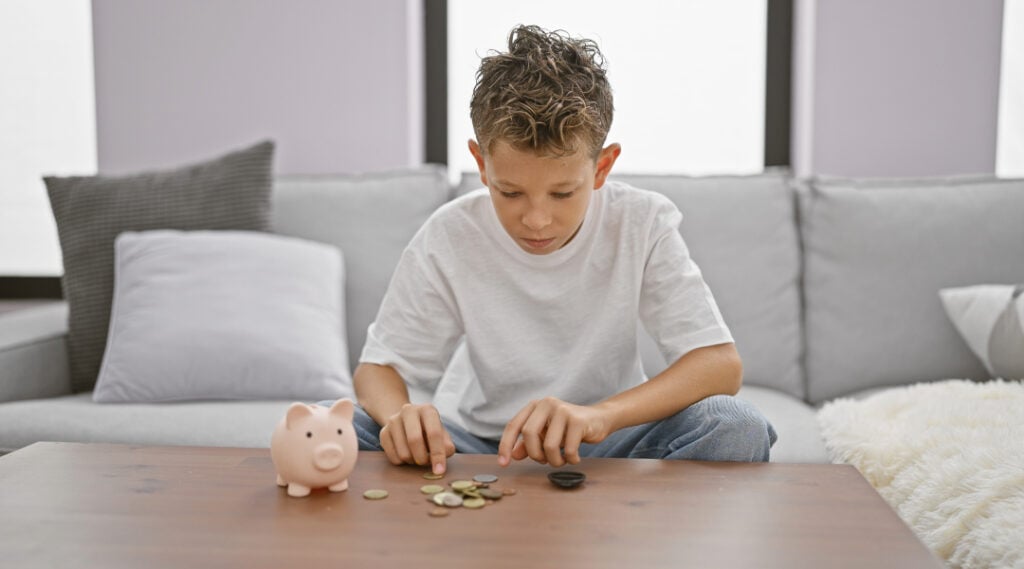
🪙 Help them calculate the value of each pile, then add the amounts together to find the total.
🪙 If you have coin rolls, show the child how many coins go in each roll and let them fill and label each one independently.
Variation
Try a collaborative version by having one child sort while the other counts and adds, then switch roles. You can also reinforce skip-counting skills by encouraging kids to count nickels by 5s, dimes by 10s, and so on.
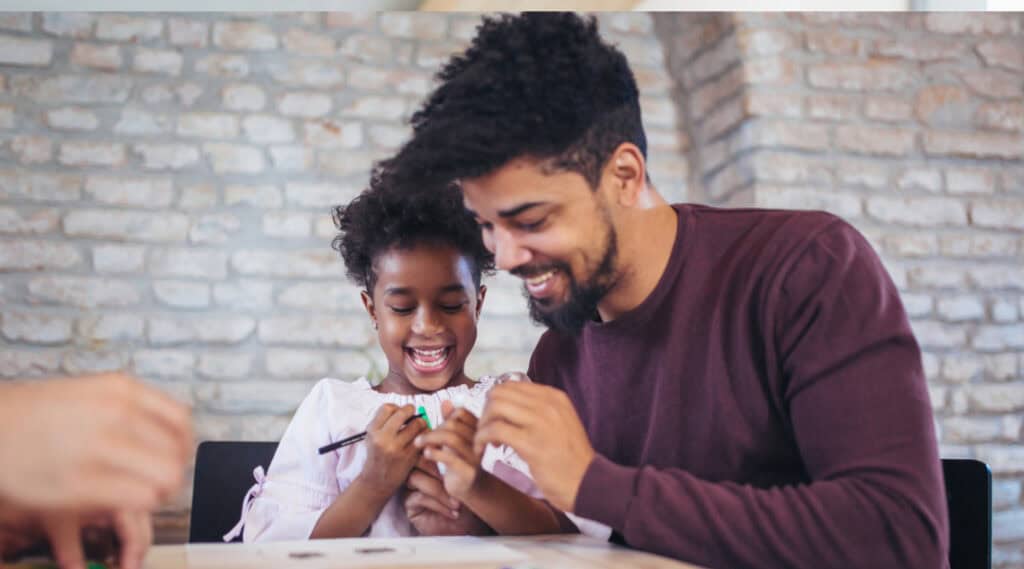
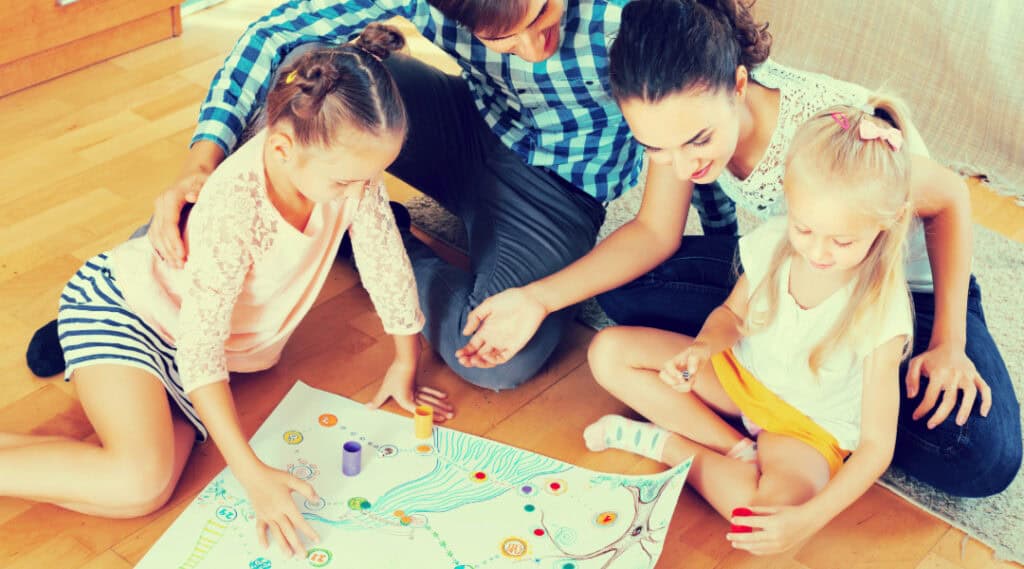
9. DIY Math Board Games
Create and play a board game focused on math concepts like addition, subtraction, or multiplication.
What You Need
cardboard, markers, dice, clay to make small game pieces, other craft supplies or recycled materials.
How to Do It
♟️ Have the child choose which type of math the game will focus on – addition, subtraction, multiplication, division, or a mix.
♟️ Let them design the game board on cardboard using markers and craft supplies. They can decide on the path, theme, and layout.
♟️ Encourage them to create their own set of rules. Will players move forward when they get an answer right? Are there bonus spaces or tricky traps?
♟️ Have them write math problems on game cards to match their chosen concept, and make their own game pieces using clay or small objects from around the house.
♟️ Use a die or spinner to move through the game – and play together once it’s ready!
Variation
Add mystery cards that mix up gameplay – some with surprise math puzzles, others with silly actions (like “Do 3 jumping jacks before your next turn”). It keeps the game dynamic and adds a playful layer beyond just solving problems.
10. Build a Mini-Business
Encourage entrepreneurial thinking by helping kids set up a mini-business like a car wash, dog walking, or craft sale.
What You Need
supplies for the business, a notebook for tracking income and expenses.
How to Do It
💰 Start by having your child choose a business idea they’re excited about – something simple and realistic, like a lemonade stand, selling handmade crafts, or offering a car wash service to neighbors.
💰 Help them list what they’ll need and figure out how much those supplies will cost. They can decide how much to charge and create signs or menus to display their prices.

💰 Encourage them to track what they earn and spend in a notebook or simple chart, then calculate their profit.
💰 After the business is up and running, reflect together: What worked well? What could they do differently next time?
Variation
To add a creative element, have them design a logo, make signs, and build a brand around their business.
Check out this video on the 10 best Small Business Ideas for Kids to Make Money:
11. Ice Cream Math
Use ice cream sundaes to explore combinations and probabilities.

What You Need
ice cream, toppings, bowls
How to Do It
🍦Start by offering three ice cream flavors and five topping options. Ask your child to figure out how many different sundaes they could make by mixing and matching flavors and toppings.
🍦 Talk through what a “combination” means and explore how choosing different amounts of toppings changes the possibilities. As they build their sundae, write down each possible combo and compare it to what they actually chose.
🍦 Encourage them to notice patterns – like which topping shows up most often or how many sundaes include chocolate sauce.
Variation
Make it more challenging by adding extra toppings or flavors, or simplify it for younger kids by limiting the options. You can also turn it into a friendly guessing game – predict which sundae combo will be the most popular, then test it out with family or friends.
Benefits of Summer Math Activities
🧠 Prevents summer learning loss – Keeps math skills sharp and minds active over the break.
🎲 Makes math fun and hands-on – Learning through play feels more like a game than schoolwork.
👩🍳 Applies math to real life – From measuring ingredients to running a lemonade stand, kids see math in action.
💡 Builds problem-solving skills – Encourages critical thinking and creative approaches to everyday challenges.
📈 Boosts confidence – Helps kids feel successful and capable in math outside the classroom.
🌟 Sparks curiosity – Shows that math is everywhere, sparking questions and discoveries.
With the right summer math activities, kids stay engaged, confident, and ready for the year ahead!

The Wrap-Up: Summer Math Activities
Math is everywhere. Hidden in the games we play, the food we bake, the trips we take, and the businesses we build. By incorporating these hands-on, Montessori-inspired activities into summer break, kids can stay curious, confident, and math-savvy without feeling like they’re stuck in a classroom.
These real-world challenges not only keep their skills sharp but also show them how math connects to their everyday lives. So, whether it’s building a small business or planning a backyard party, these activities will set them up for success in the new school year and beyond.
Let’s turn summer into a season of discovery where math comes alive through play, creativity, and real-world fun!
📌 Pin this list to keep your kids busy learning math this summer.
💡 Keep Kids Learning with The Educational Activities in These Blogs:
The Best Neighborhood Walk Scavenger Hunt and Ways to Use It
11 Ways to Use Our Roll A Story Dice Game
Book Report Ideas for 5th Grade that Spark Imagination
31 Fun Summer Reading Activities Elementary Students Will Love
57 Epic Montessori-Aligned Spring Break Activities for Your Kids
Rebus Puzzles for Kids: A Comprehensive Riddle-Solving Guide
Elevate Elementary Math Skills with This Exciting Math Card Game
Score Big with These 9 Super Bowl Classroom Activities
27 Educational YouTube Channels to Prevent Summer Learning Loss
