


Help Kids Love Grammar With These Parts of Speech Tools
Learning grammar can feel like cracking a code for many elementary students, which is exactly why parts of speech charts and posters are such powerful tools.
These visuals turn abstract grammar rules into something students can actually see, touch, and understand.
With consistent Montessori-inspired color-coding, simple examples, and clear visuals, parts of speech charts help kids recognize patterns, build confidence, and make connections between words and their roles. Instead of memorizing rules, students begin to notice how language works—and that’s when grammar really clicks.
In this post, I’ll give you a quick recap of the eight parts of speech, show you our charts and posters (and why they work so well for elementary learners), and share a free sample you can use right away.
The 8 Parts of Speech in a Nutshell
Before we explore the awesomeness of our parts of speech charts and posters, let’s take a quick look at the eight parts of speech. When students understand these categories, they can build sentences with clarity, and I’ve seen how much easier this becomes when visuals are part of the process.
Nouns
Names of people, places, things, or ideas.
Examples: cat, school, happiness
Pronouns
Words that replace nouns.
Examples: he, she, they
Adjectives
Words that describe nouns.
Examples: scruffy, happy, seven
Verbs
Action or state-of-being words.
Examples: run, juggle, is
Adverbs
Words that describe verbs, adjectives, or other adverbs.
Examples: quickly, very, daily

Prepositions
Words that show relationships in space, time, or direction.
Examples: in, on, before
Conjunctions
Words that connect phrases or clauses.
Examples: and, but, because
Interjections
Words that express emotion.
Examples: wow, ouch, yay
Articles
Words that help point to a specific noun.
Examples: a, an, the
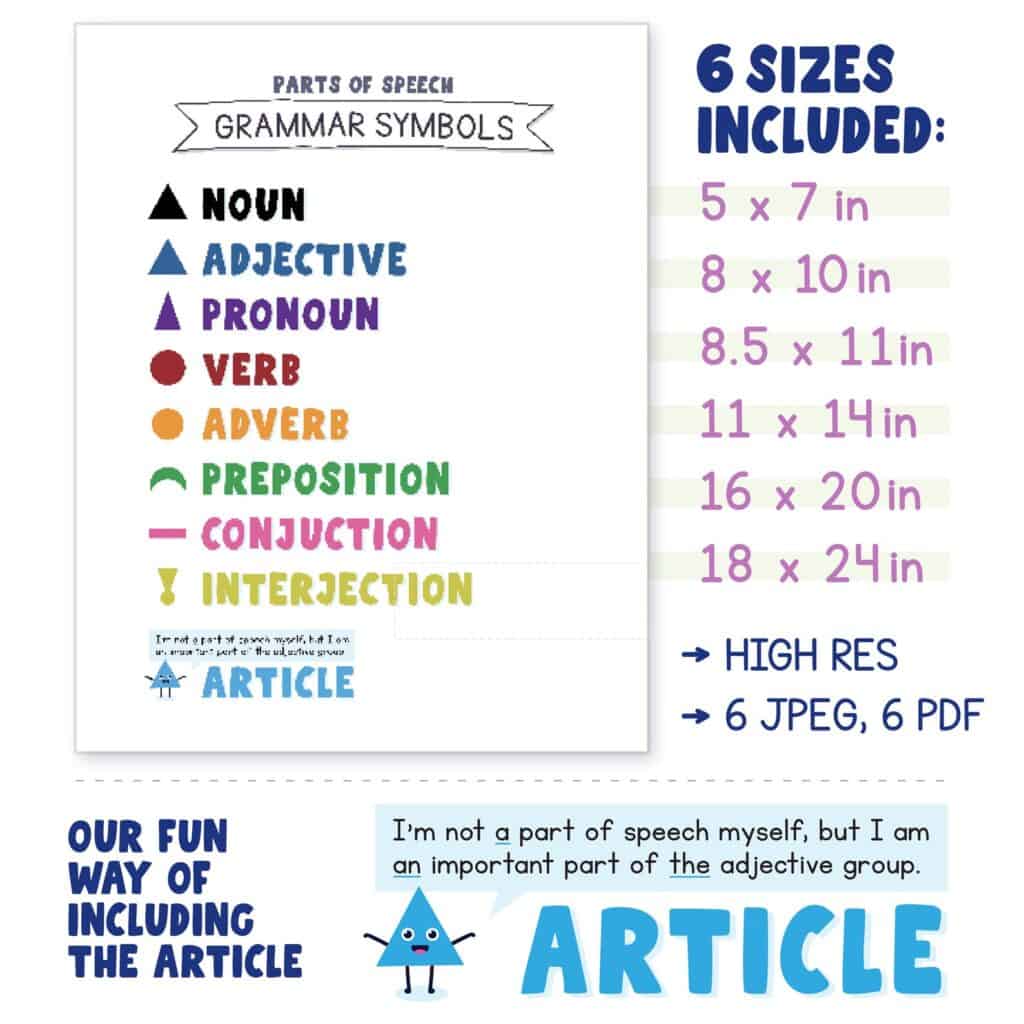
💡 Teacher Tip: Articles aren’t part of the 8 main parts of speech! But they’re everywhere. Words like “a” and “the” act a bit like adjectives by pointing out which noun you mean.
These categories form the foundation of language, but I’ve found that for young learners, memorizing definitions isn’t enough. They need to see these concepts in action—and that’s exactly where our parts of speech charts shine, turning abstract ideas into hands-on, visual learning tools.
If you’d like to share engaging grammar content with your class, be sure to check out our blog Parts of Speech Videos for Your Elementary Language Lessons – Watch Now! for kid-friendly clips your students will love.
Our Parts of Speech Charts and Posters
I noticed how much easier grammar clicked for students when they had visuals and hands-on tools. That’s why we created these parts of speech charts, posters, and activities—to make grammar meaningful, memorable, and engaging for elementary learners.
Montessori Parts of Speech Poster with Symbols
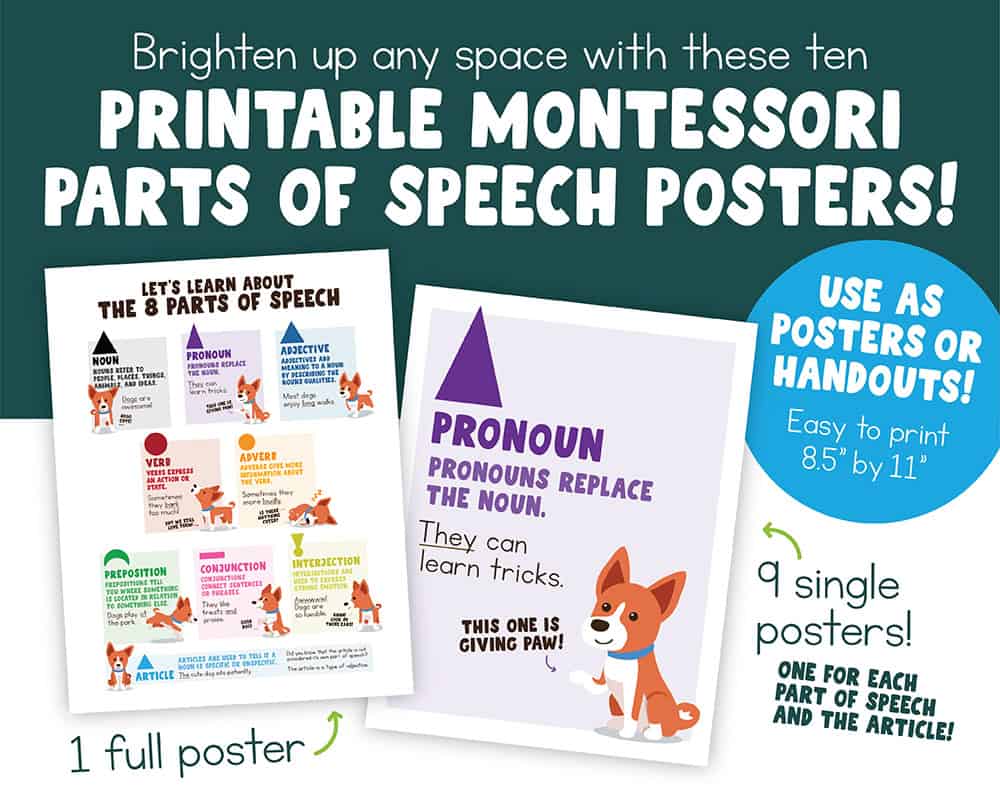
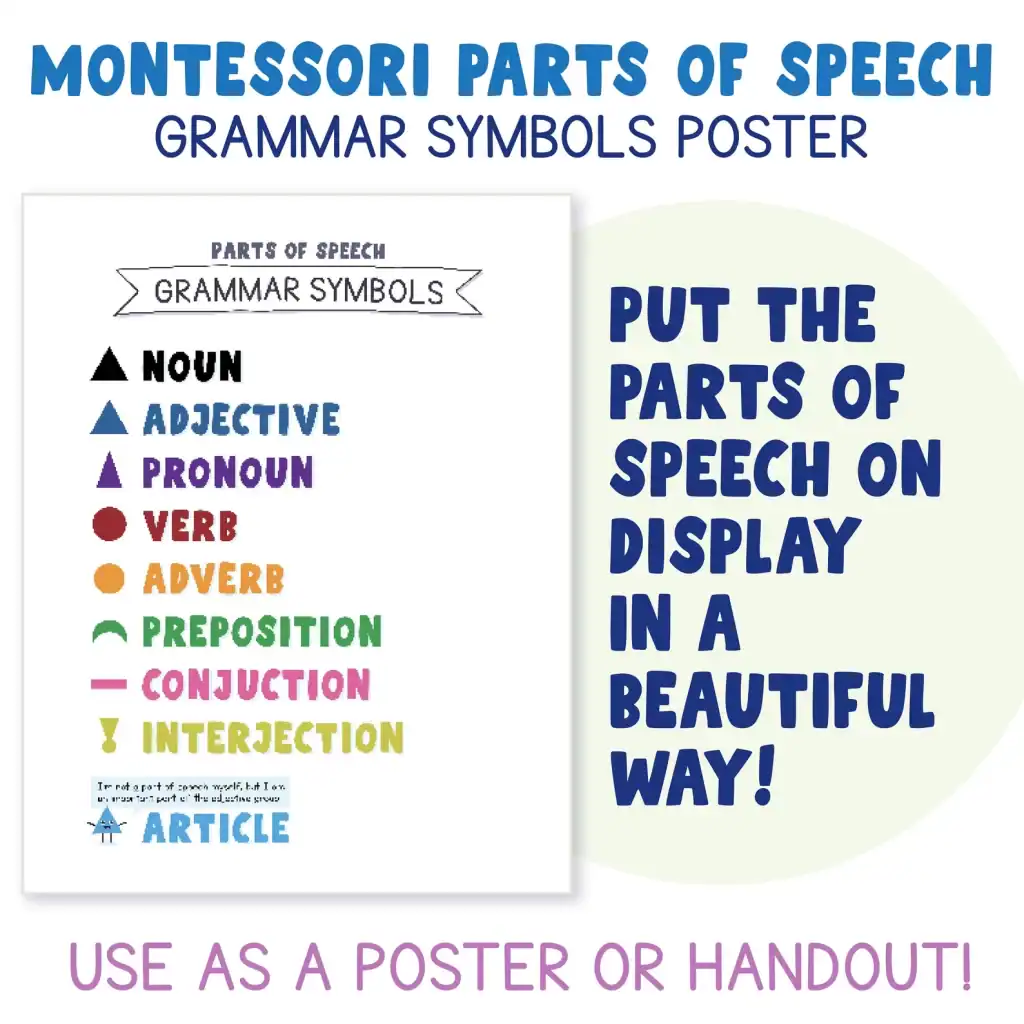
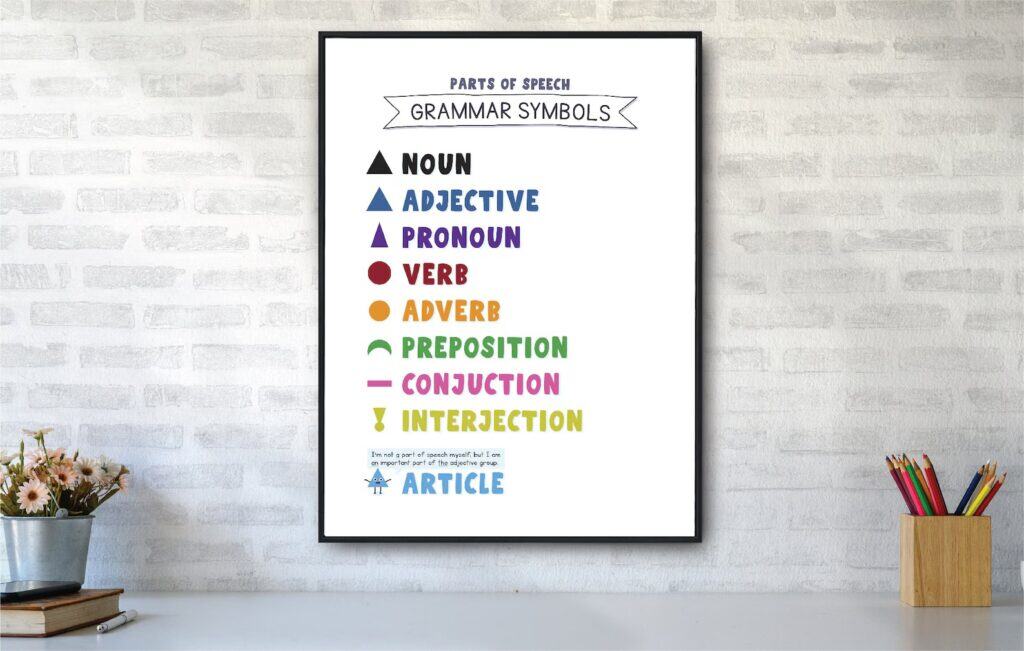
Featuring all eight parts of speech and Montessori color-coded symbols, this poster is perfect for quick reminders during lessons or independent work. Just download, print, and hang. This is an instant way to make your classroom walls both educational and engaging.
Comprehensive Parts of Speech Poster Pack
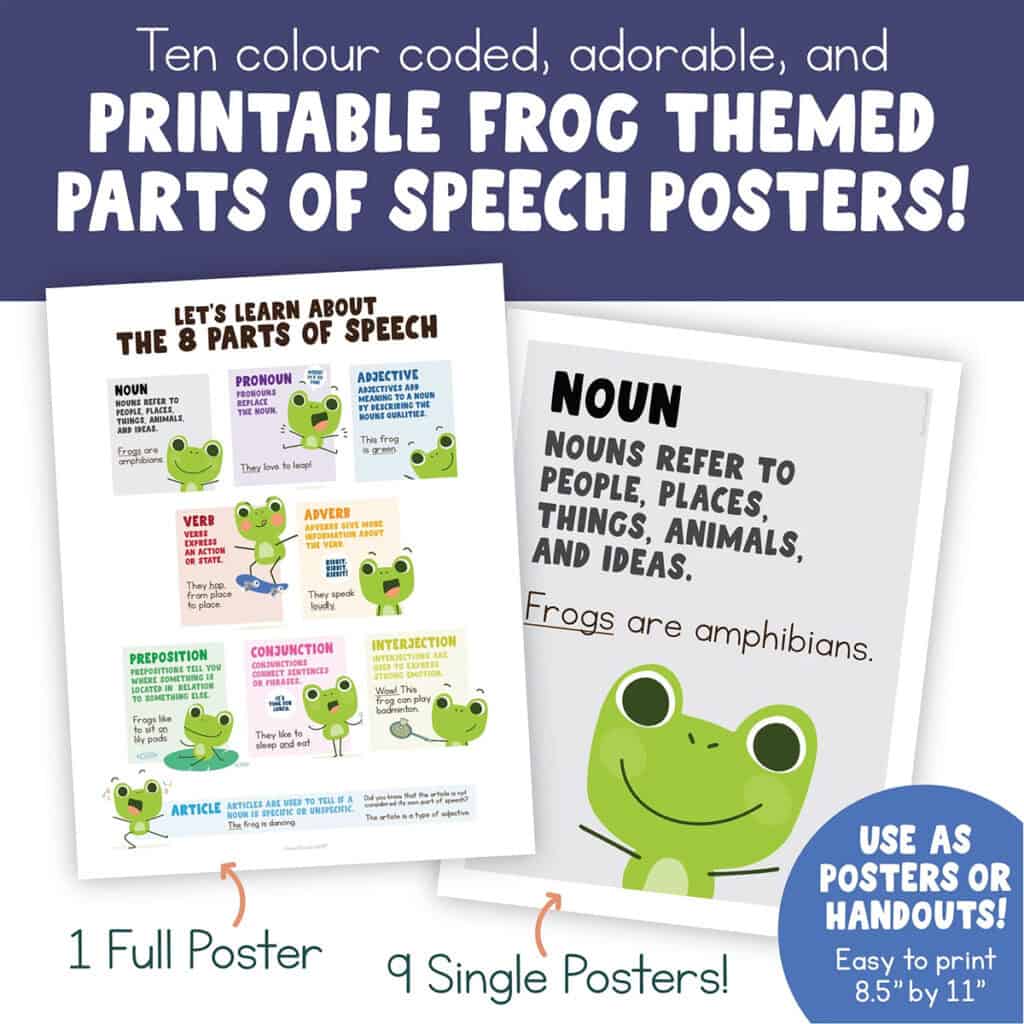
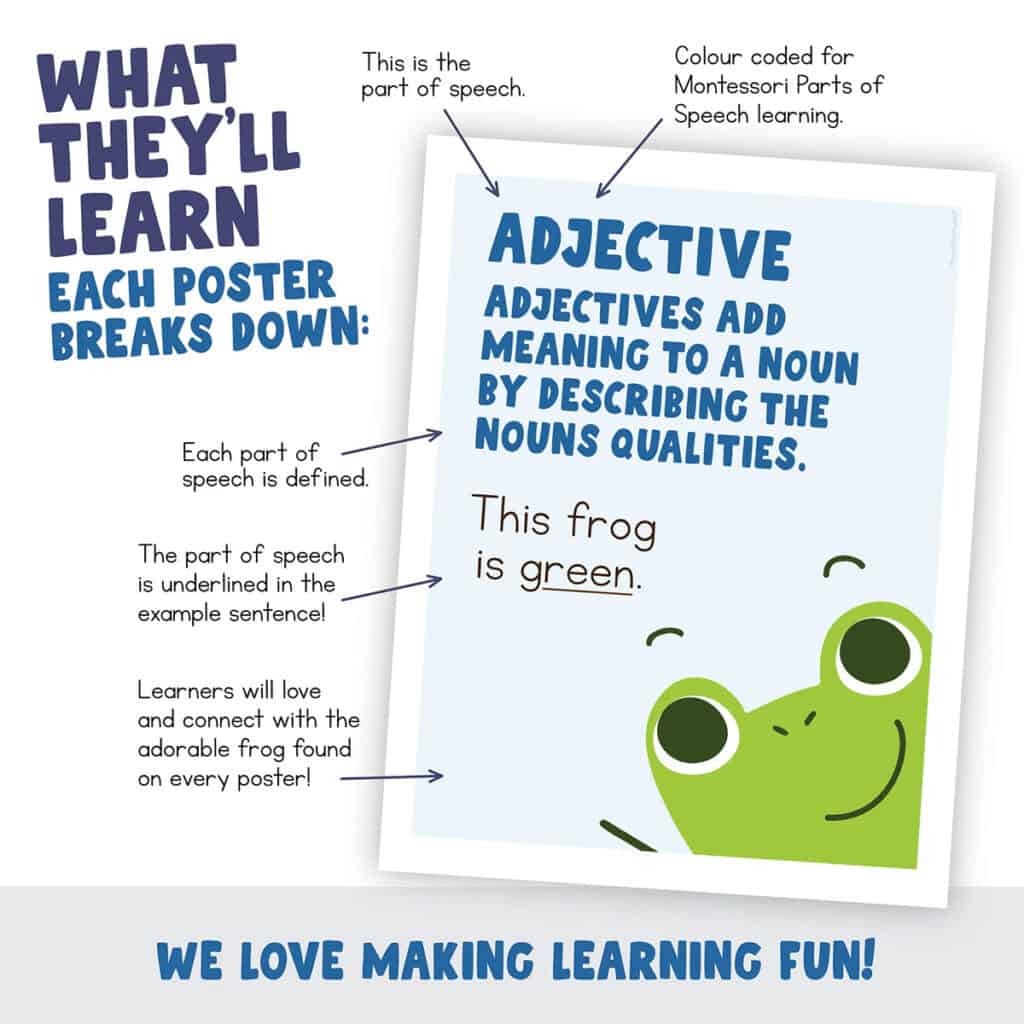
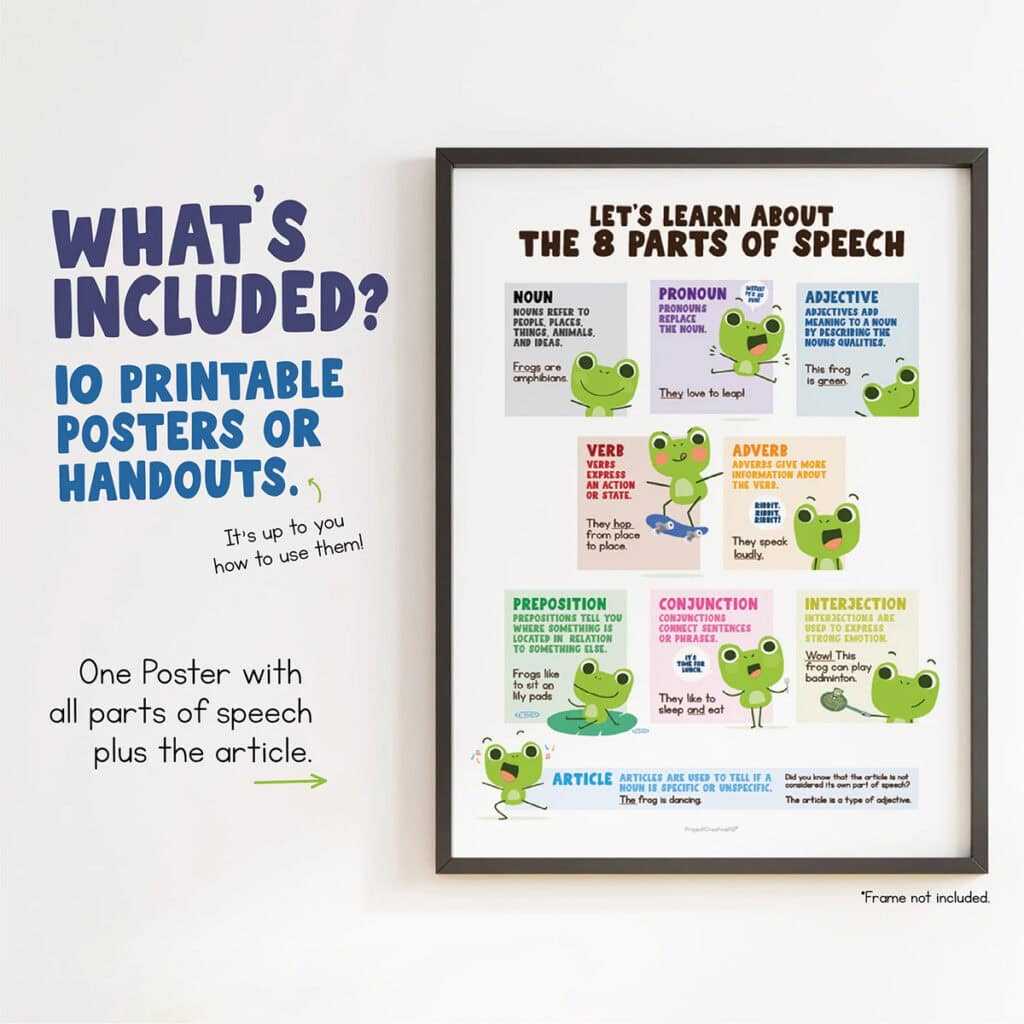
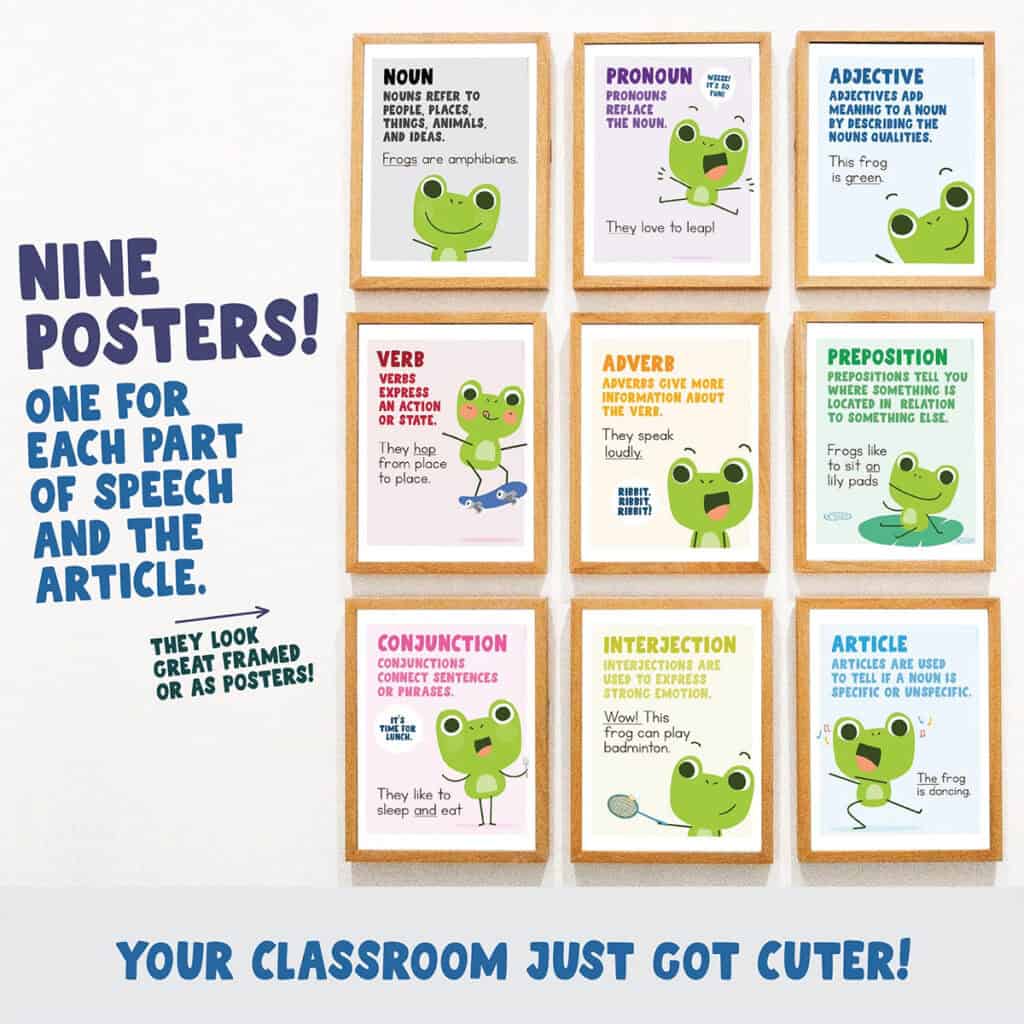
With Montessori-aligned colors, clear definitions, sentence examples, and adorable frog illustrations, grammar has never looked so fun! This Comprehensive Parts of Speech Poster Pack is perfect for elementary learners or older students alike and makes an engaging reference for the classroom, homeschool, or online teaching.
Montessori Parts of Speech Poster Pack
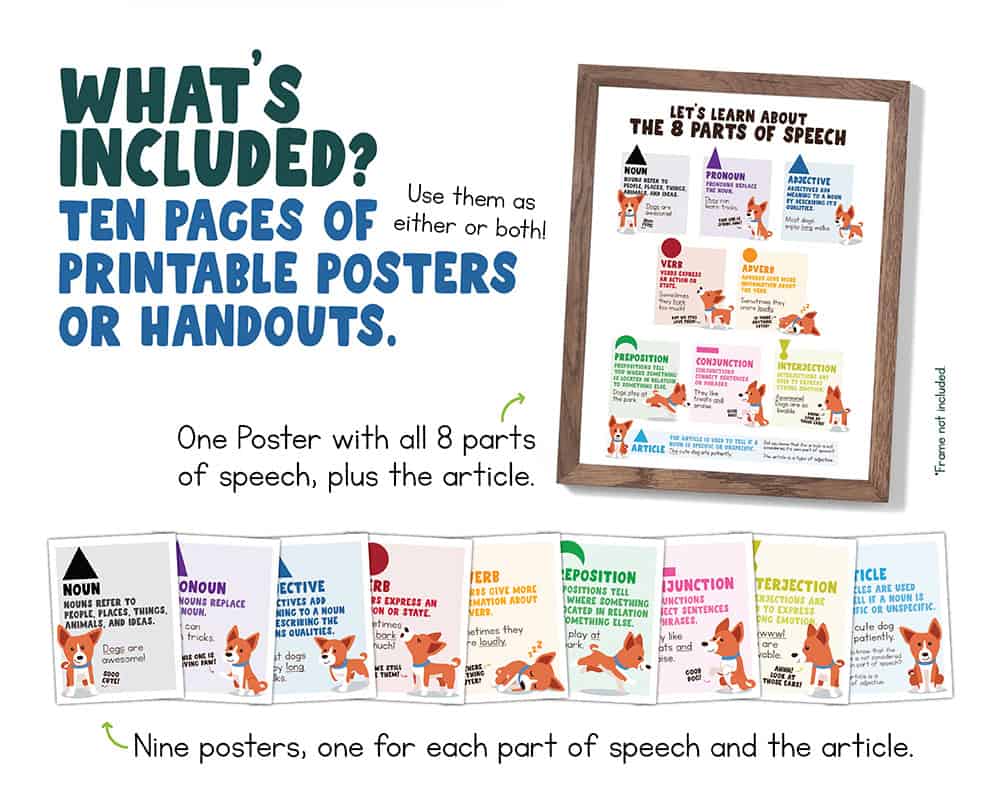
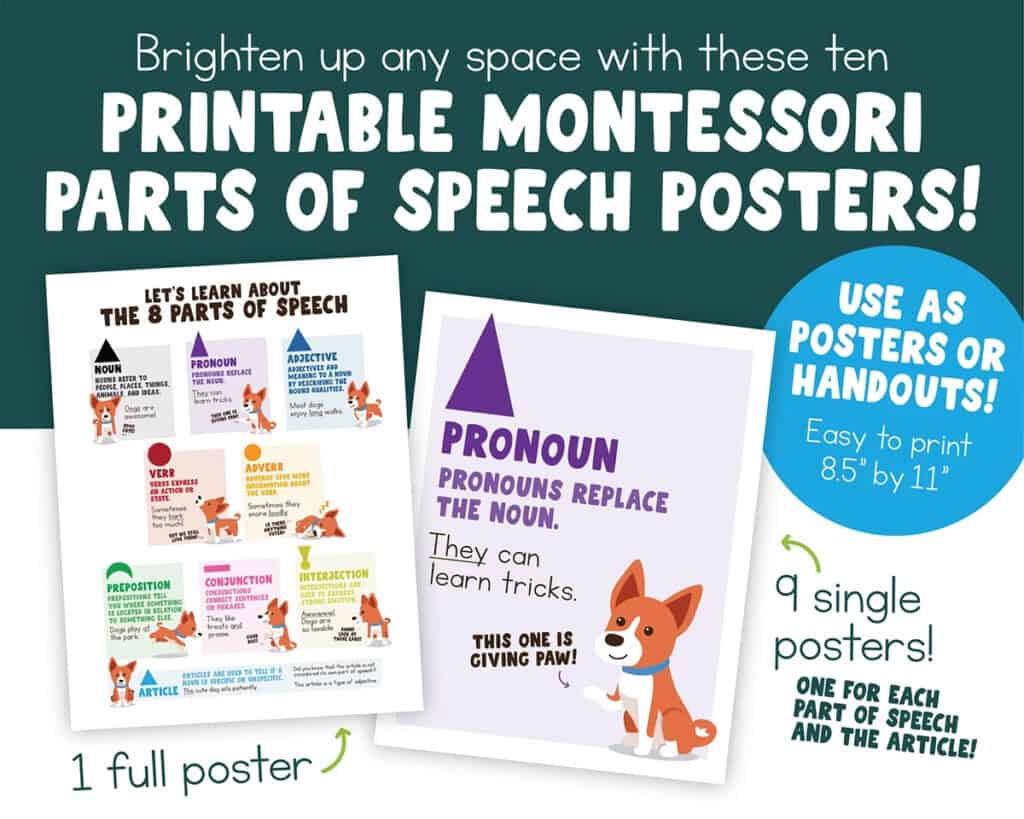
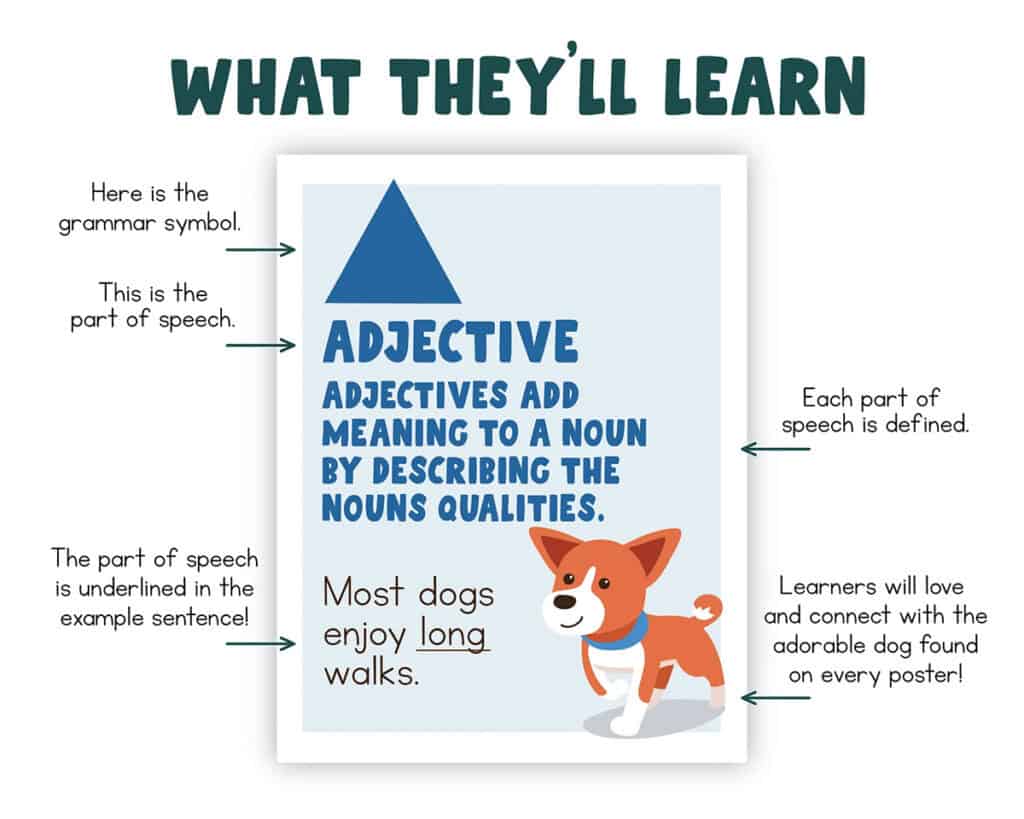
This Montessori Parts of Speech Poster Pack includes 10 posters featuring Montessori-aligned colors, clear definitions, sentence examples, and adorable dog illustrations—perfect for students of all ages. Whether displayed on walls or used as handouts, they’re a fun, eye-catching way to reinforce parts of speech in any learning environment!
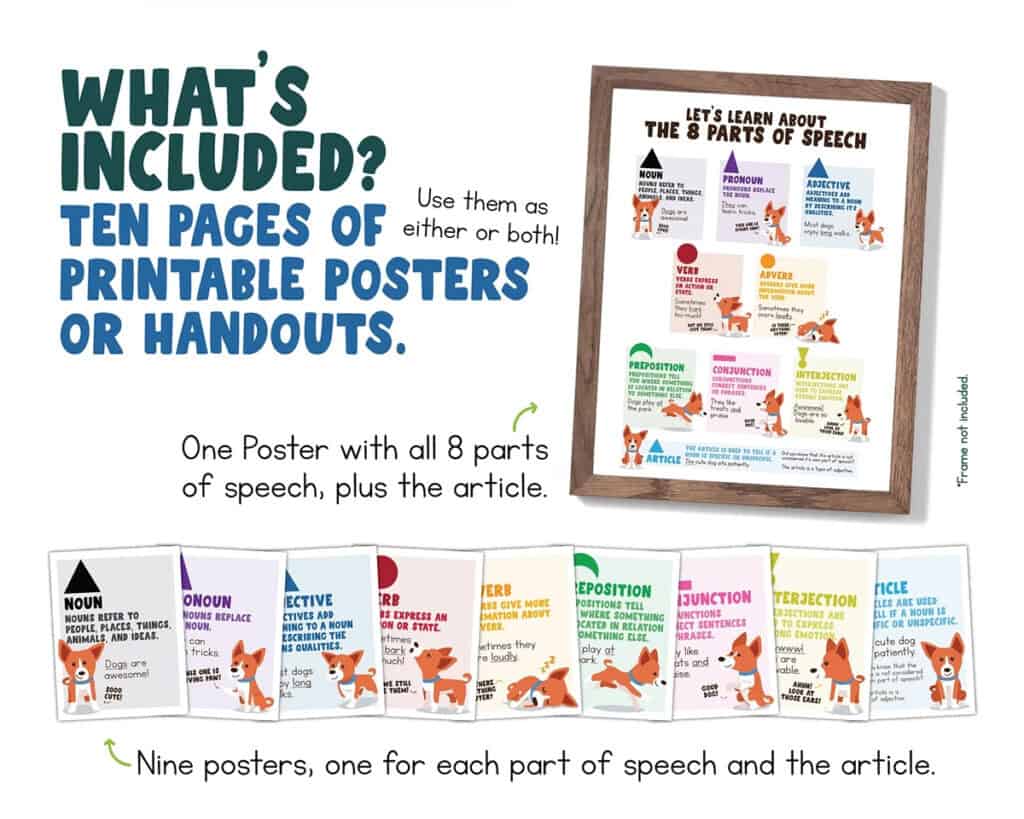
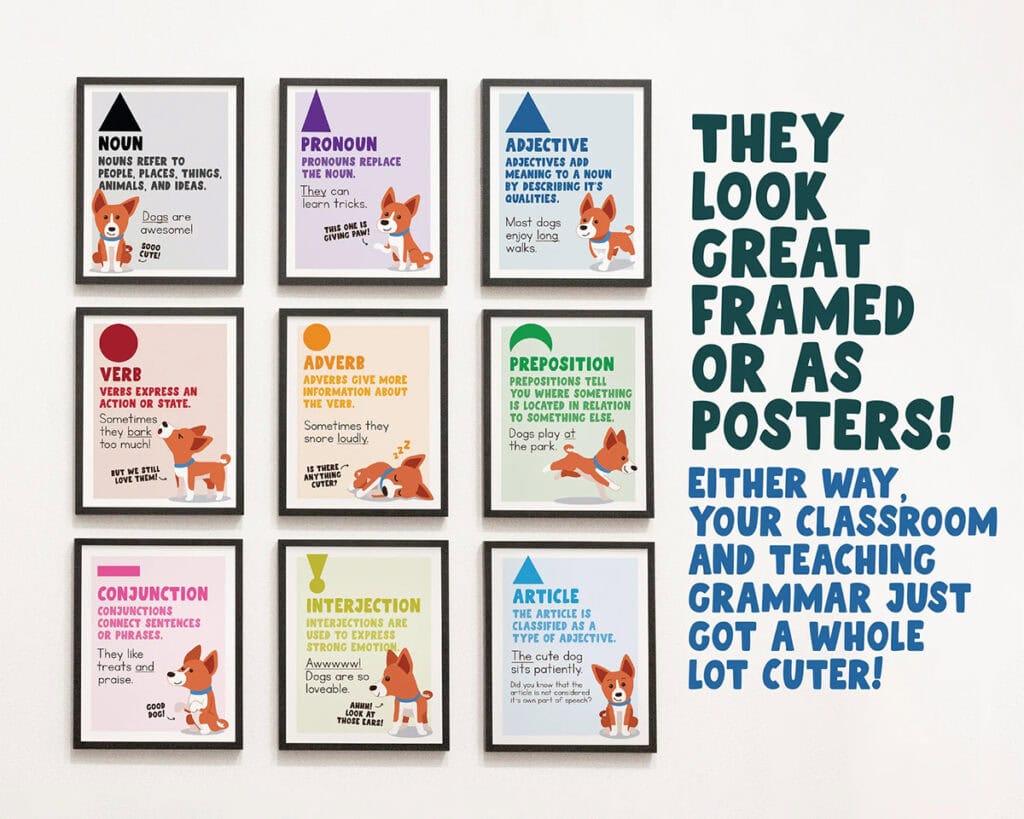
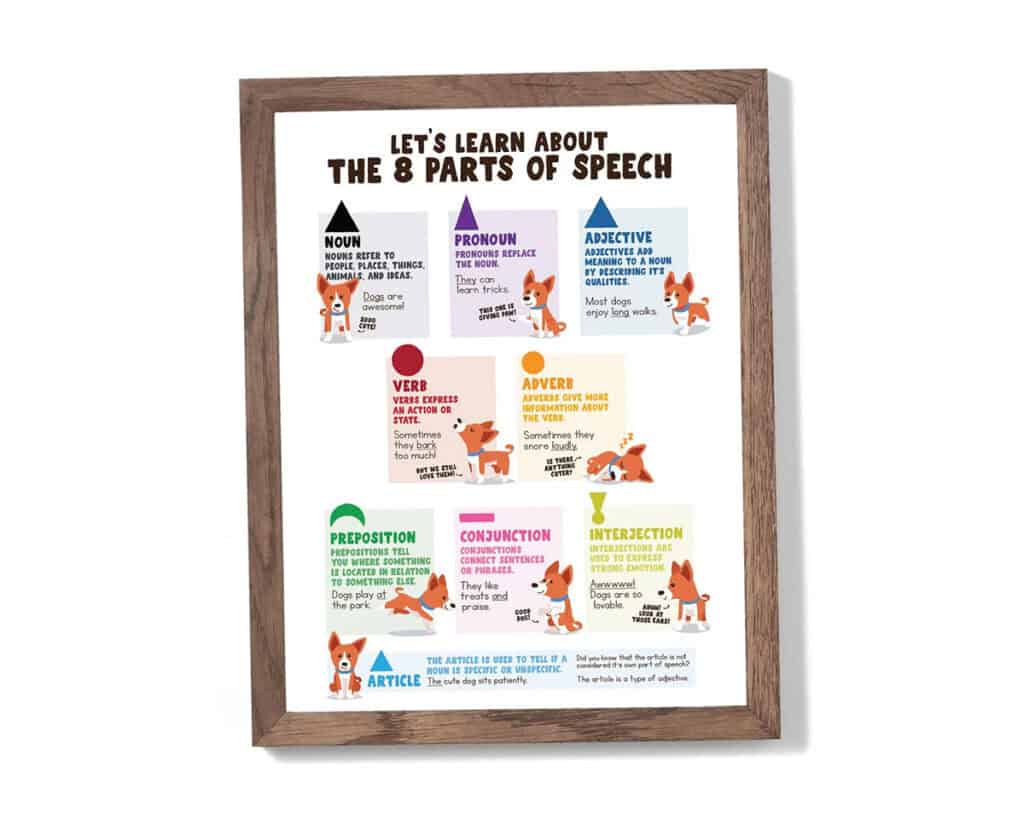
These aren’t just teaching aids, they’re tools I’ve seen help kids truly understand and enjoy language.
Why I Recommend These Parts of Speech Charts and Posters
As a teacher, I know how tricky grammar can be for kids, and how much difference the right visuals can make. Our parts of speech charts keep things simple, colorful, and student-friendly, so grammar feels less intimidating and more engaging.
Montessori-Aligned
The familiar color-coding (nouns in black, verbs in red, adjectives in blue) makes concepts click quickly.
Visually Engaging
Clear colors and illustrations help kids connect and remember.
Kid-Friendly Definitions
Simplified language ensures students actually understand what they’re learning.

Interactive Design
Perfect for scavenger hunts, sentence building, or writing support.
Durable & Versatile
Laminate these parts of speech charts once, and you’ll use them for years—in classrooms or at home.
How to Use Our Parts of Speech Charts and Posters
When I was in the classroom, I was always looking for visuals that made grammar feel less intimidating and more hands-on. These charts and posters do exactly that. They give students an anchor they can keep coming back to, and they give teachers simple ways to weave grammar into everyday learning.
Here are a few ideas you can try right away:
Grammar Scavenger Hunt
Send students on a hunt through their books (or even around the classroom) to find parts of speech, using the chart as their guide. It makes identifying nouns, verbs, and adjectives feel like a game instead of work.
Sentence Building Activities
Hand out word cards and let students build their own sentences. The charts help them double-check what role each word plays, which is a great confidence booster.

Daily Grammar Practice
Start mornings with a simple sentence on the board. Ask the class to identify all the parts of speech, and let them use the posters as a reference. Over time, they’ll lean on the posters less and their own knowledge more.
Student “Grammar Experts”
Give one student ownership of a chart each week. Whenever a tricky word pops up, that student gets to help guide the class through figuring it out—it’s an instant leadership opportunity.
Anchor for Writing Time
Keep the charts visible during writing workshops. Students will naturally start glancing at them to add variety to their writing—stronger verbs, more precise nouns, or just a reminder that adjectives can paint a clearer picture.
Free Sample: Try Our Parts of Speech Chart!
We know how important it is to have grammar resources that are both effective and beautiful—that’s why we teamed up: one of us brings the classroom experience, and the other brings the design eye. Together, we created parts of speech charts that are simple, engaging, and ready to use.
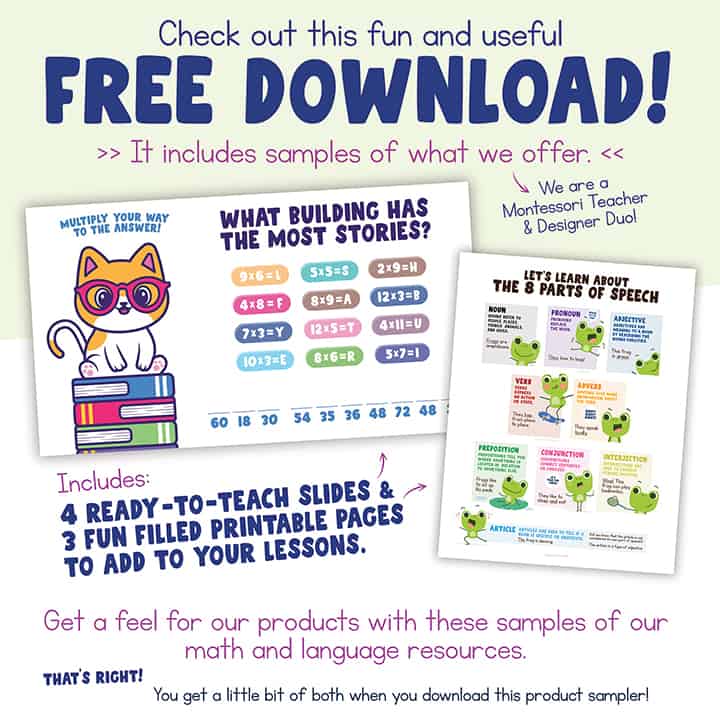
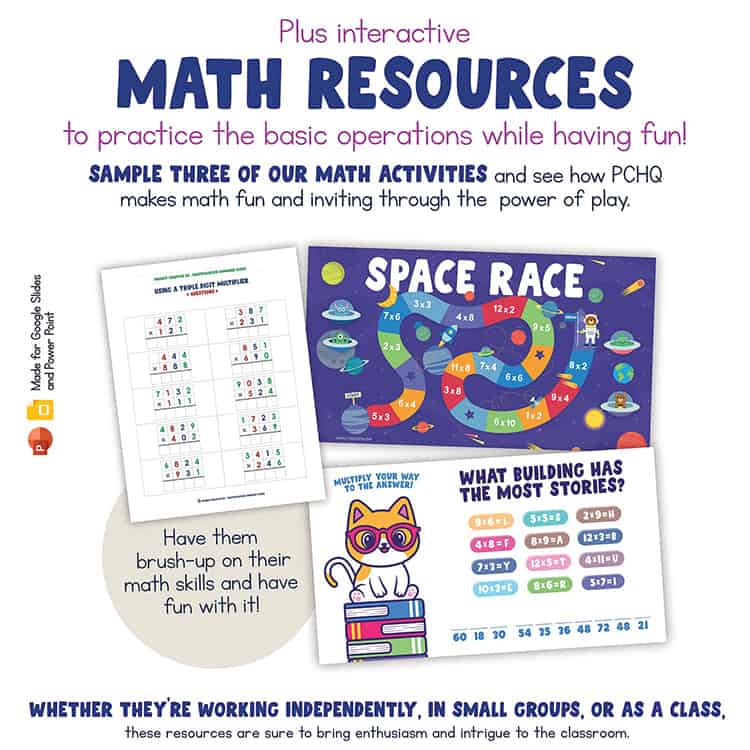
To give you a taste, we’re offering check out our free download that includes a sample chart that introduces the 8 parts of speech in a clear, kid-friendly format. You’ll also find some great language activities and some math resources, too!
Join Our Newsletter and Get a Free Parts of Speech Chart!
Sign up for our newsletter today and we’ll send you a free, printable parts of speech chart that you can use right away in your classroom or homeschool space.
It’s an easy way to bring hands-on, visual learning to your students—plus you’ll also gain access to more elementary resources, tips, educational activities, and exclusive freebies straight from us!
More Ways to Master Parts of Speech
We’ve created engaging, hands-on parts of speech activities designed to make grammar memorable and meaningful for elementary learners.
After exploring these products, you’ll definitely want to check out our blog post 21 Creative Parts of Speech Activities Your Students Will Love for even more fresh, classroom-ready ideas!
Vocabulary Graphic Organizer
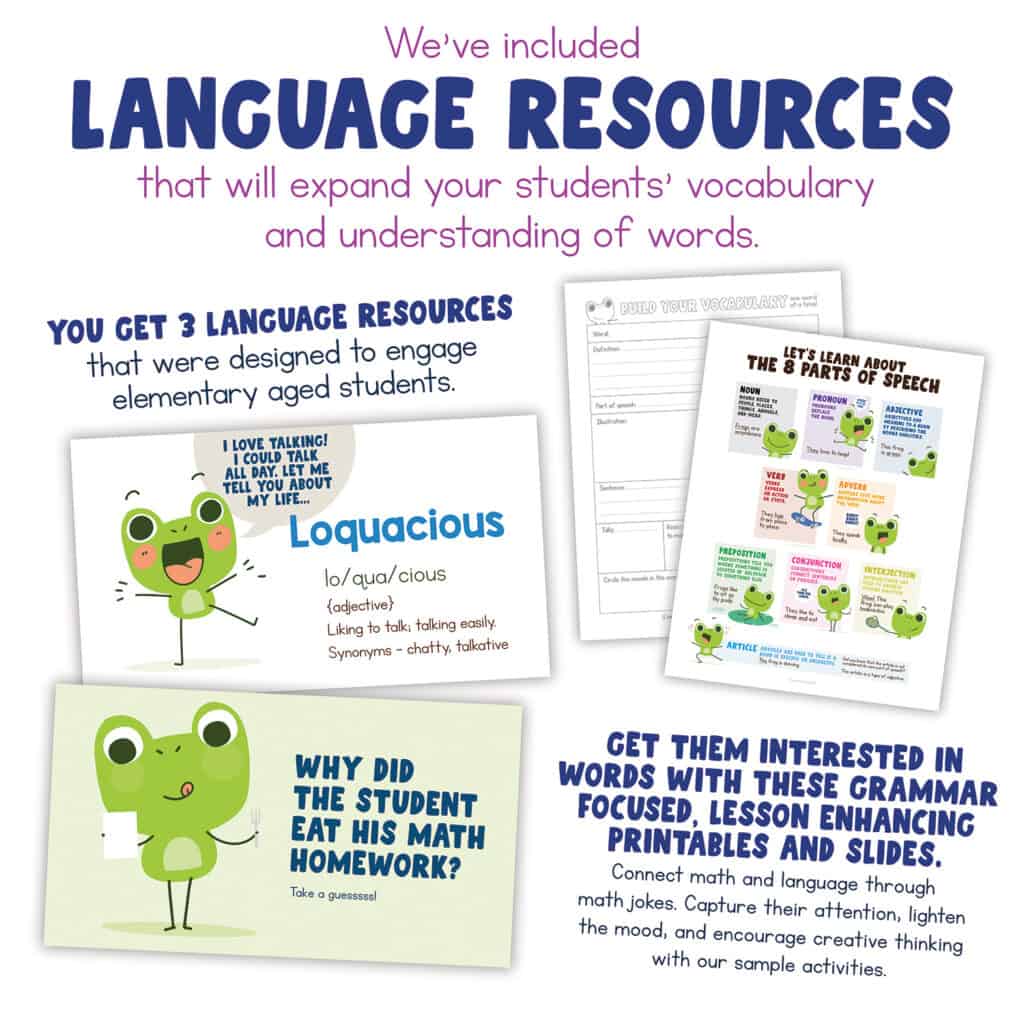
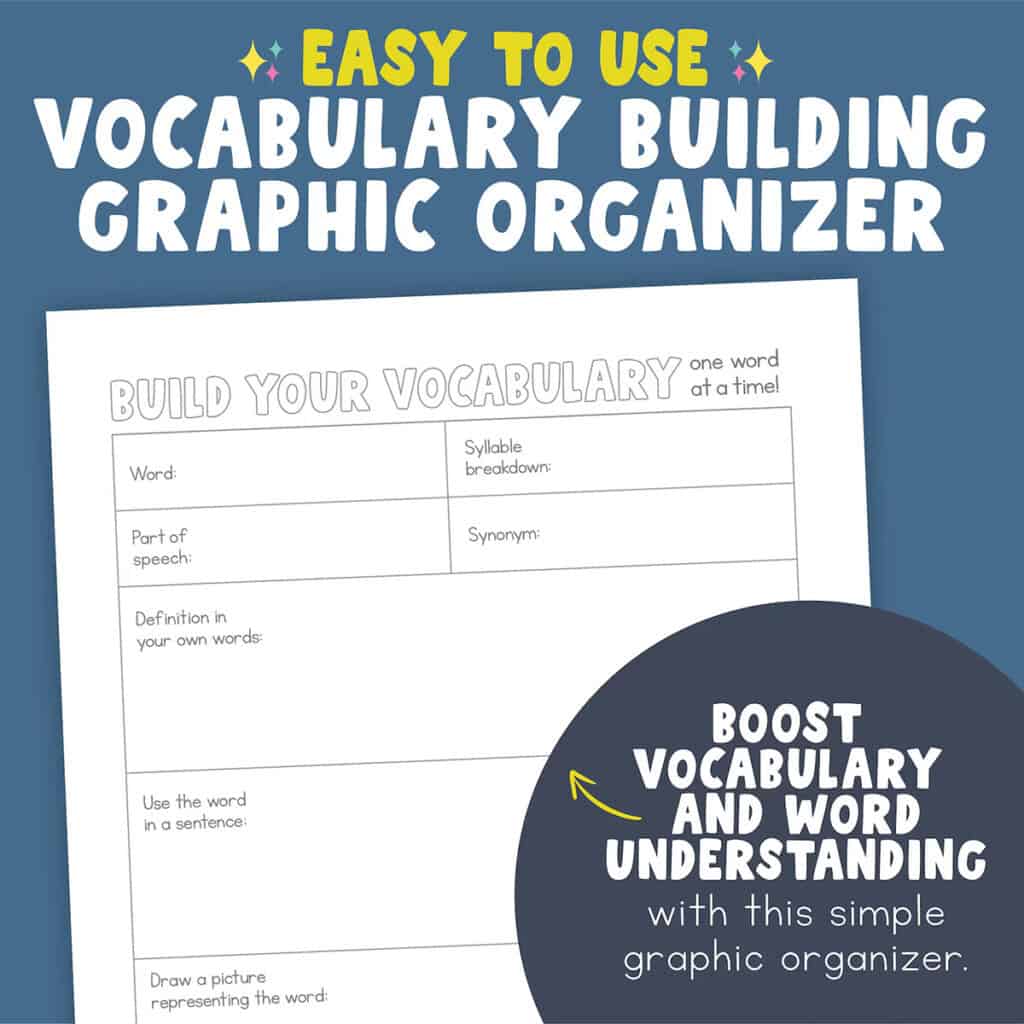
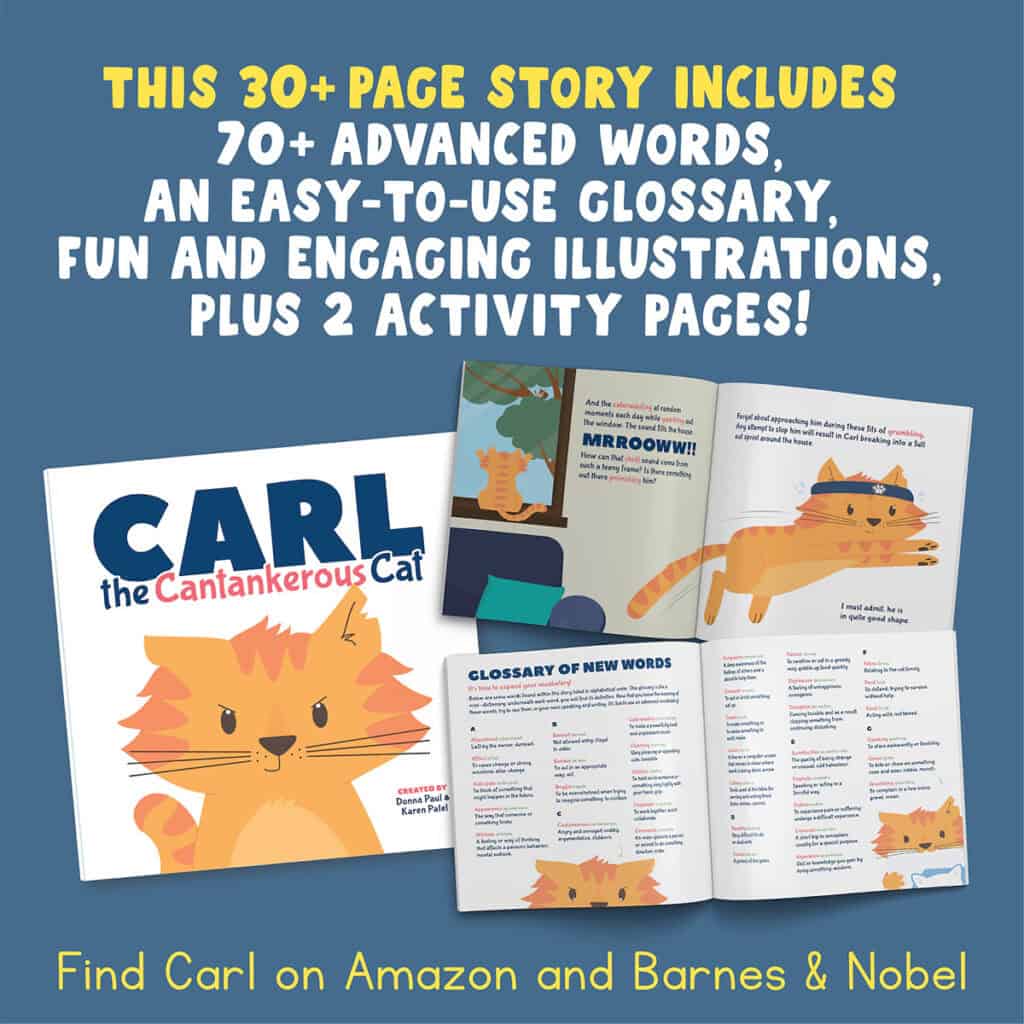
Inspired by our picture book Carl the Cantankerous Cat, this Vocabulary Graphic Organizer guides students to break down words, identify parts of speech, create sentences, and even draw pictures to reinforce meaning. It’s a playful, multi-sensory approach that makes vocabulary memorable and exciting for elementary learners!
Word of the Week Google Slides
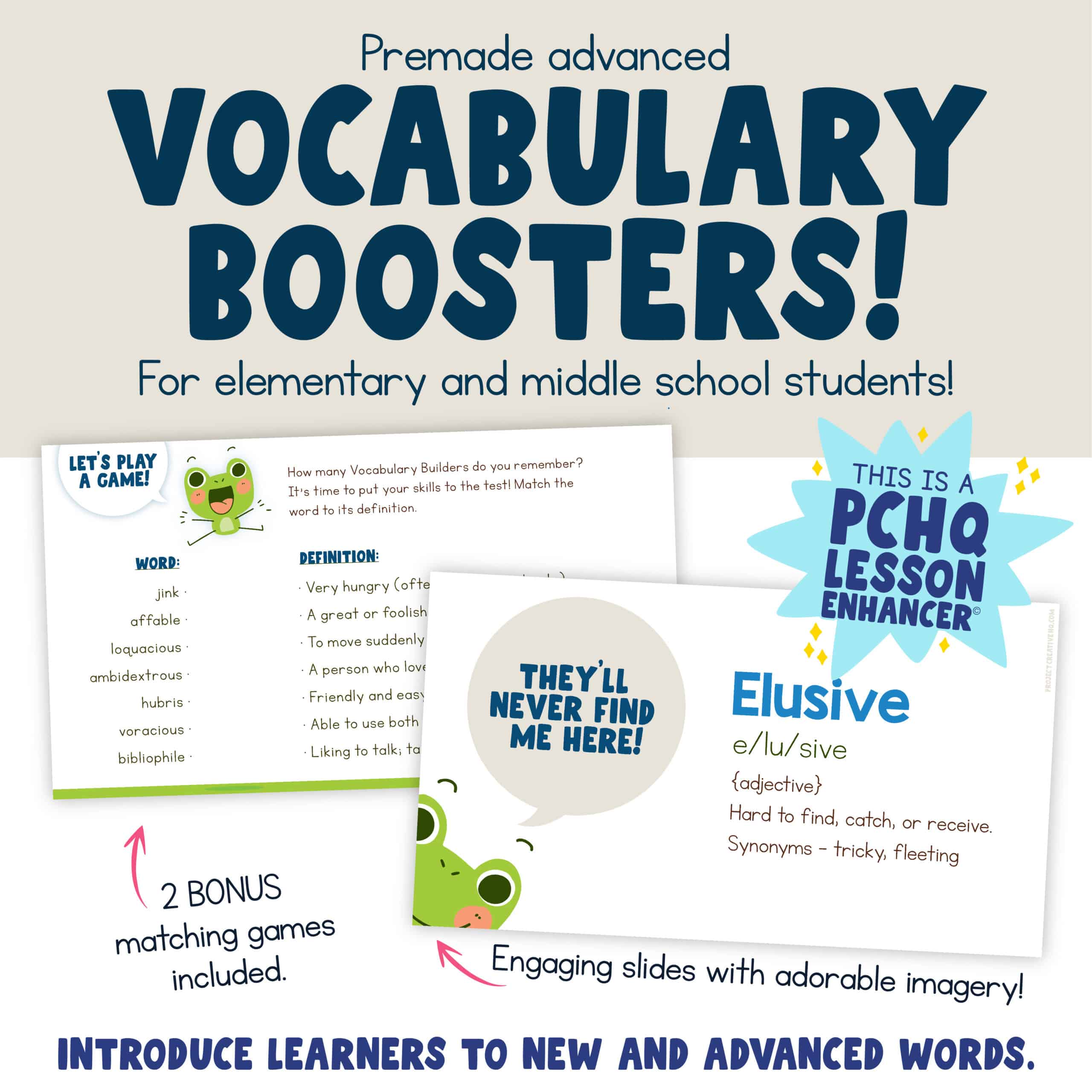
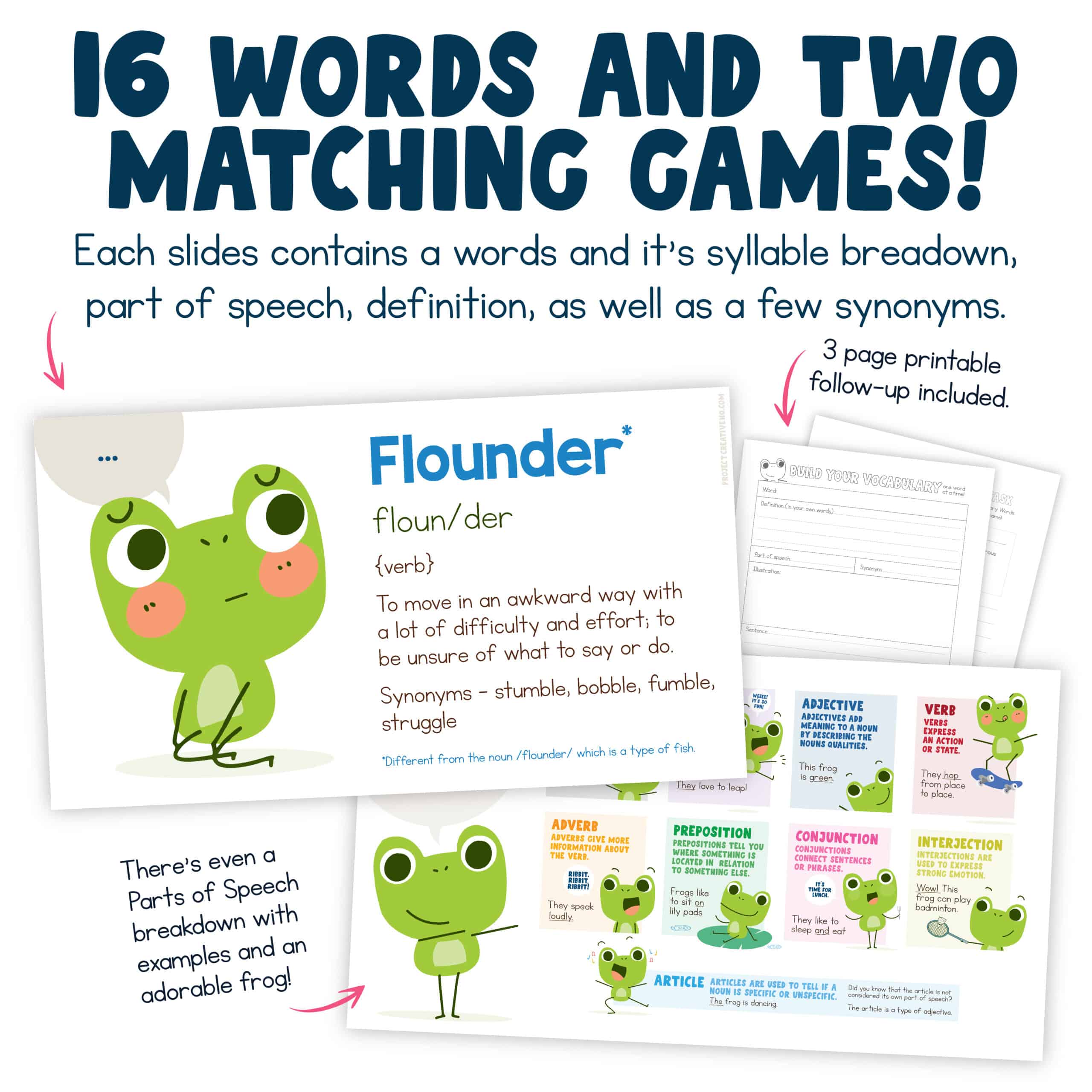
We have two sets of Word of the Week Google Slides, each featuring 16 words along with bonus printable activities and story challenges to deepen learning. With vibrant illustrations, interactive exercises, and hands-on follow-ups, these slides turn weekly word study into an engaging classroom adventure!
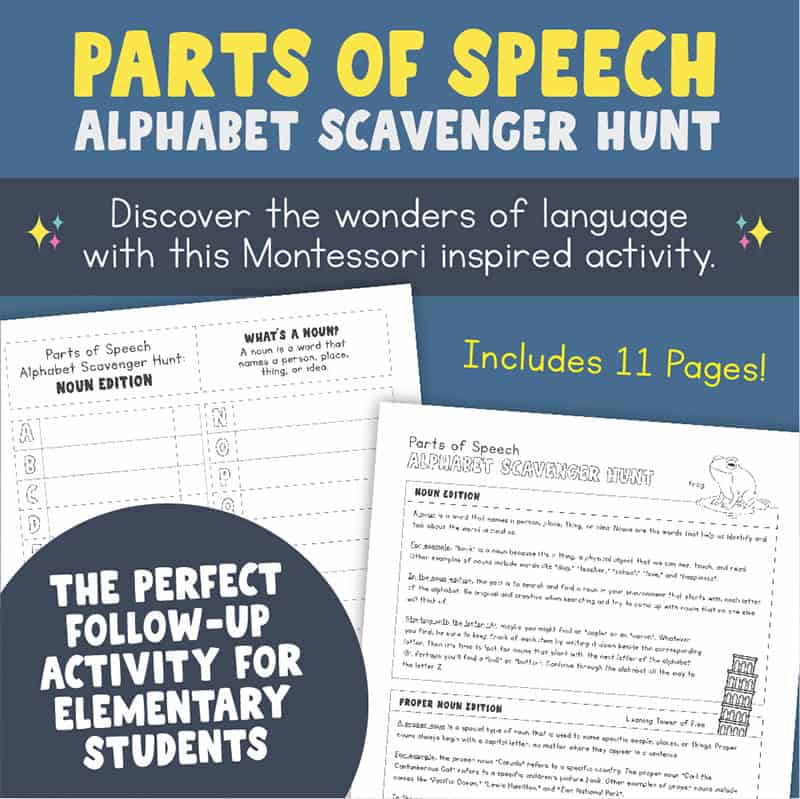
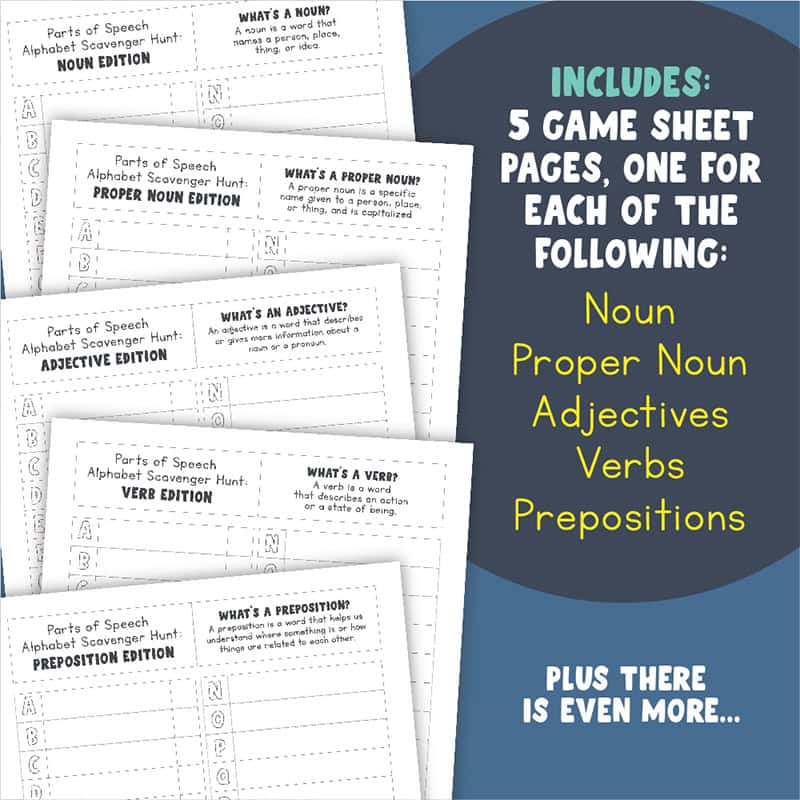
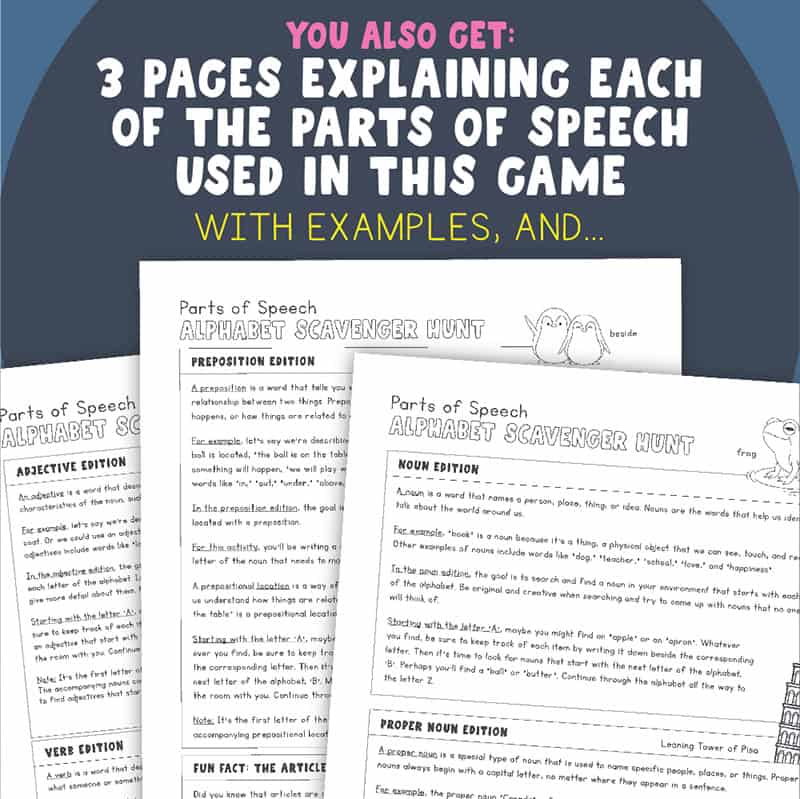
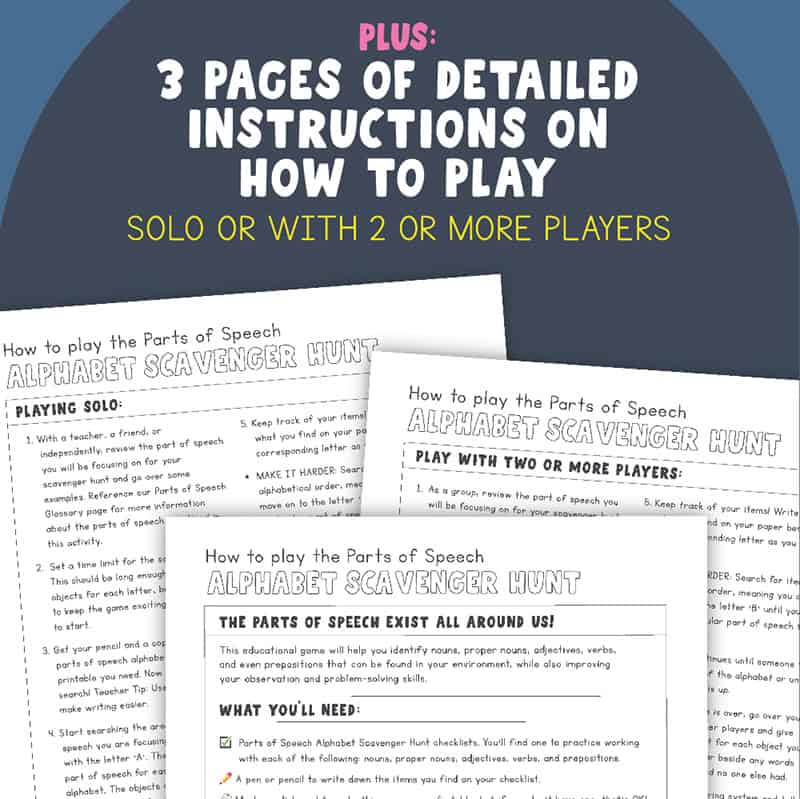
Parts of Speech Scavenger Hunt
Turn grammar into a game with our Parts of Speech Scavenger Hunt Printable! Kids get moving, thinking, and laughing as they track down nouns, verbs, adjectives, and more—all while reinforcing key language skills.
Animal Memory Match Game
This exciting Animal Memory Match activity brings nouns to life by helping kids explore animal names, baby names, group names, and even the sounds animals make. With 120 illustrated cards, students practice identifying and categorizing different types of nouns while building vocabulary in a playful, memorable way.
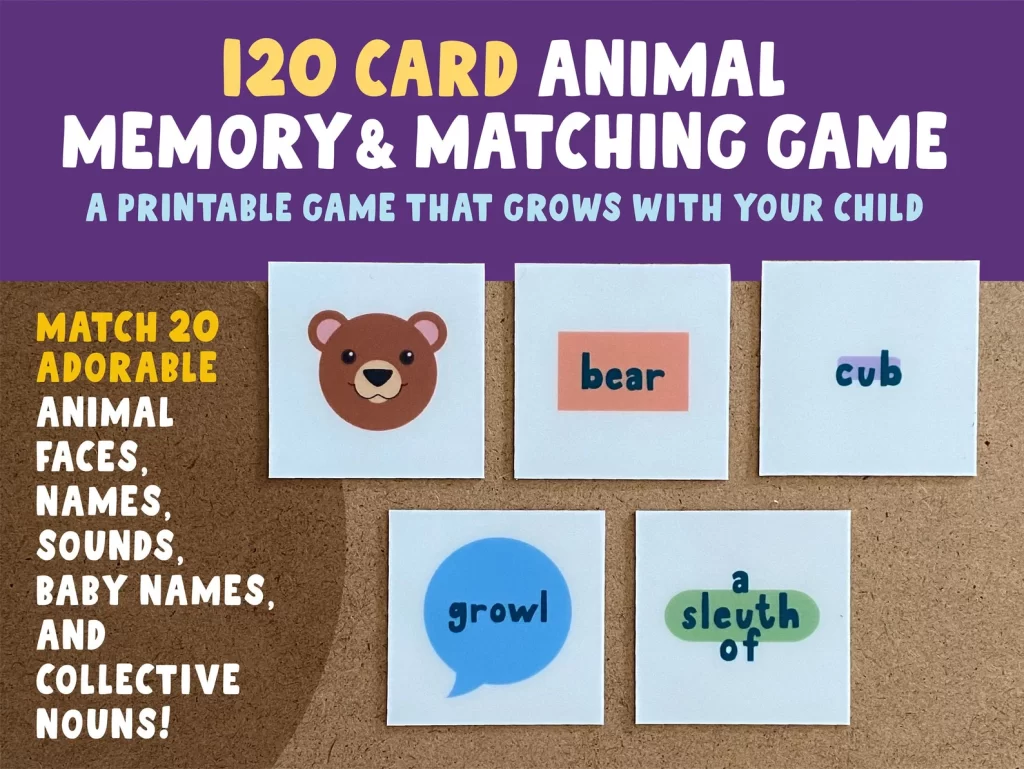
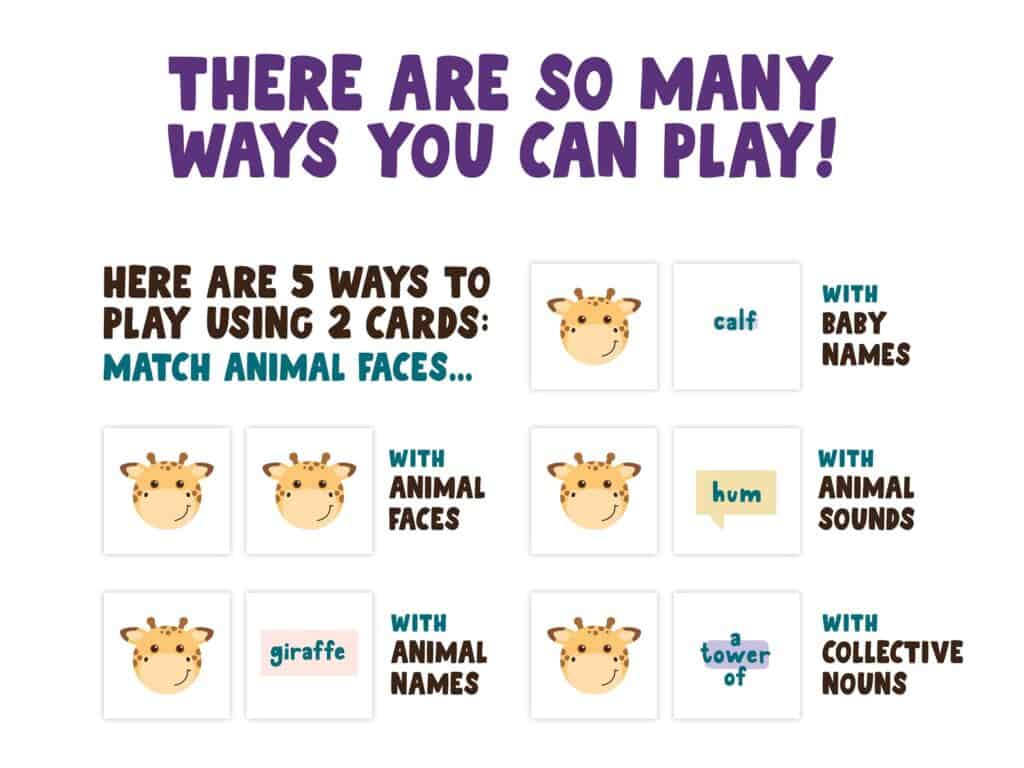
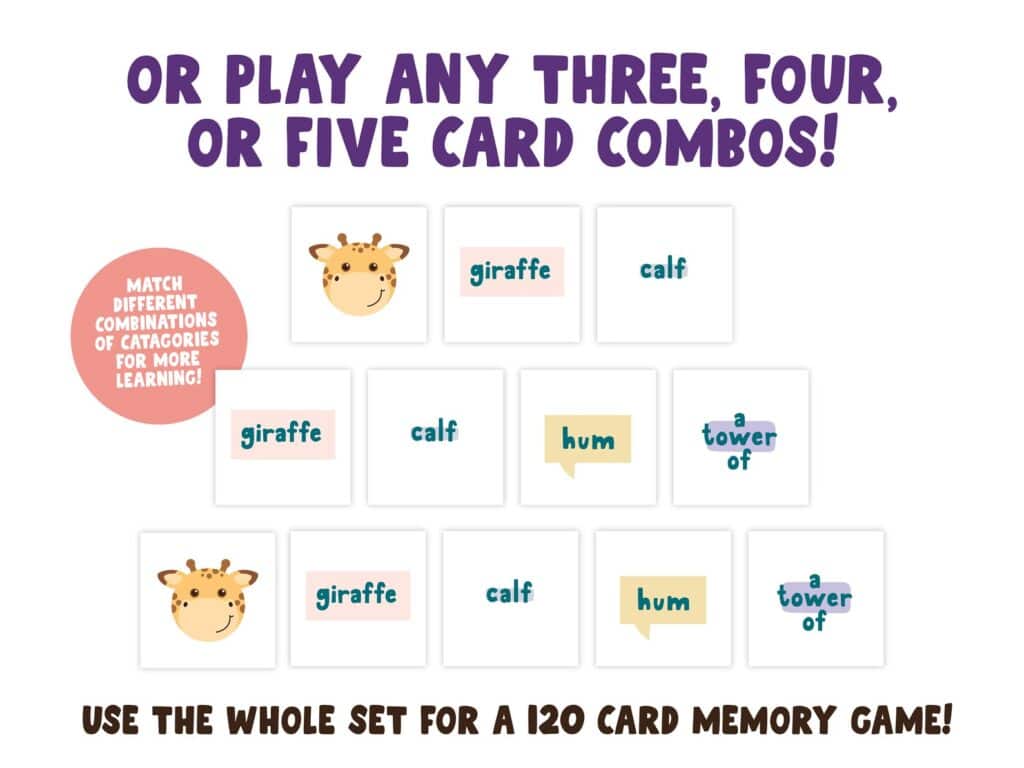
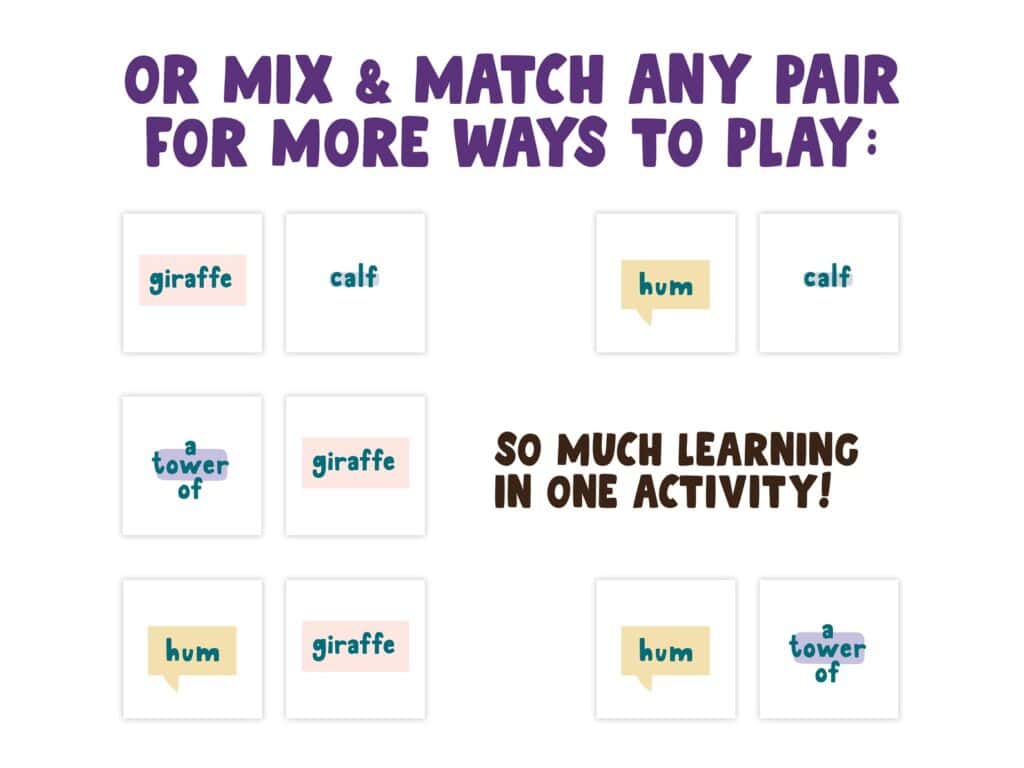
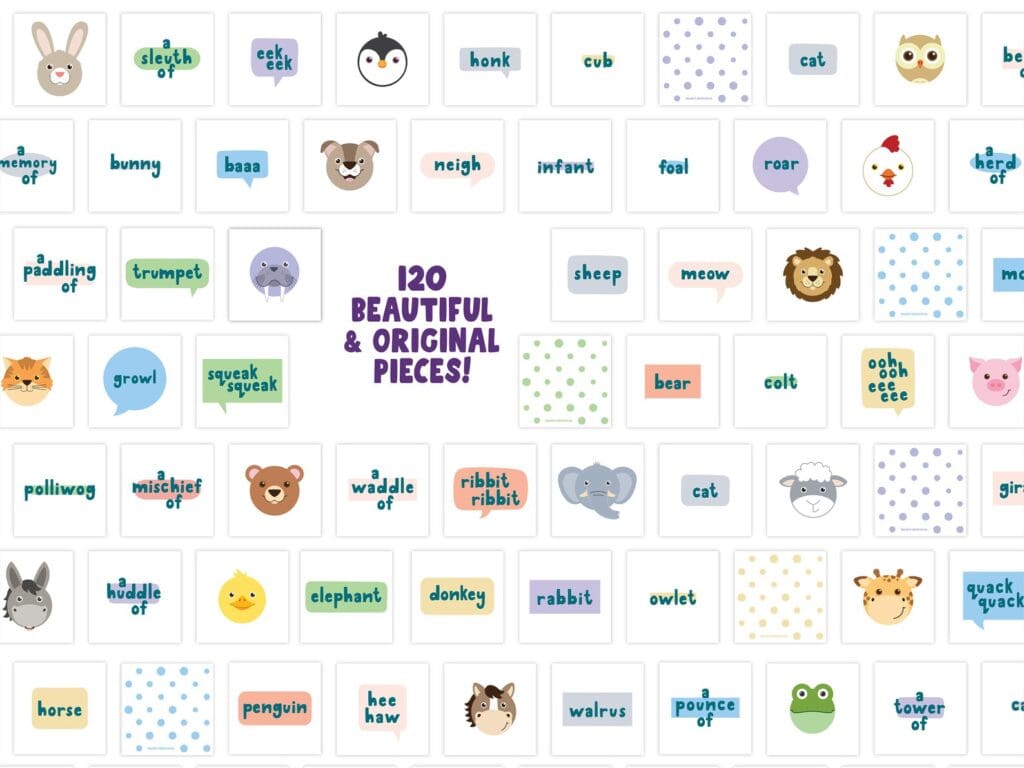
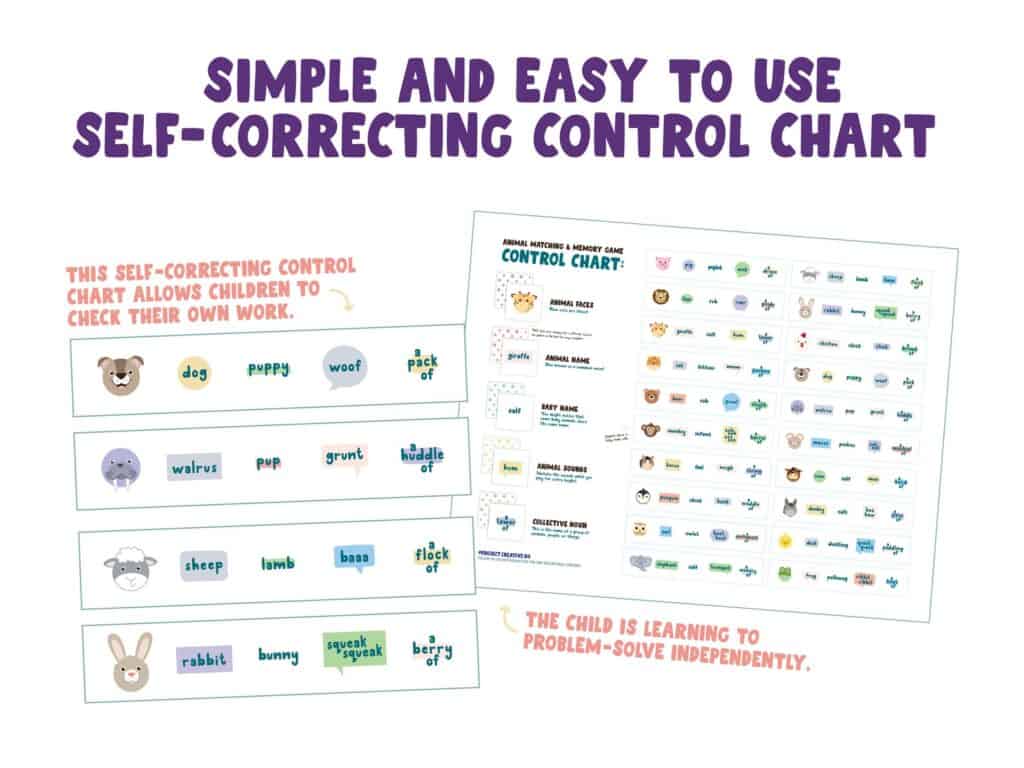
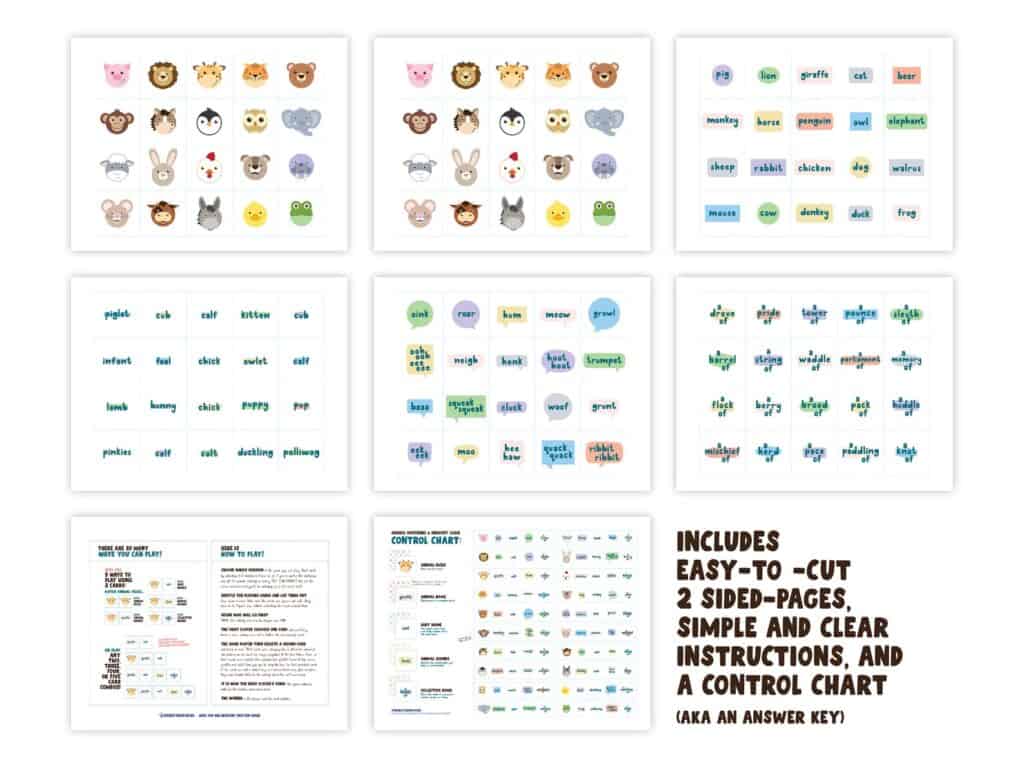
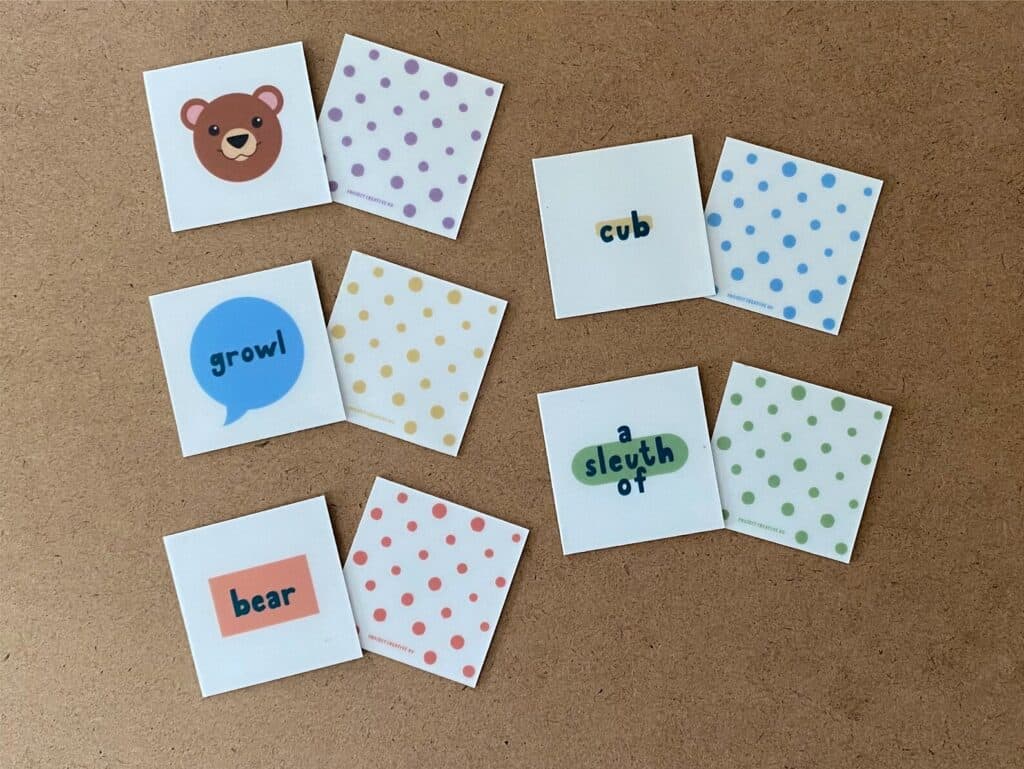
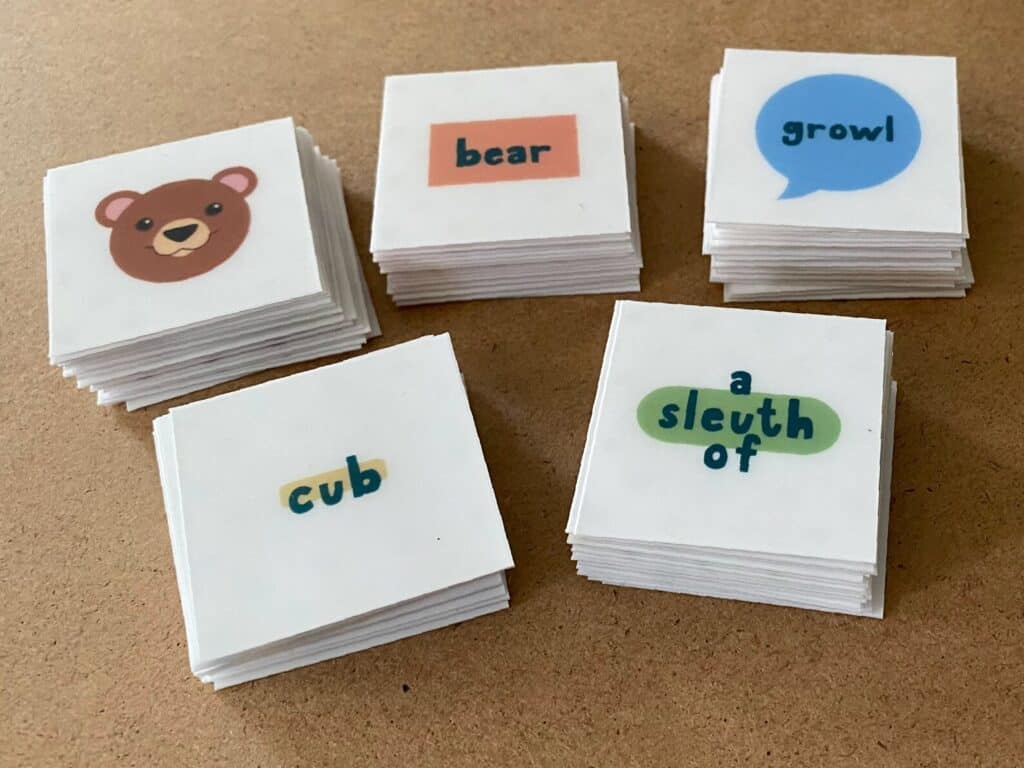
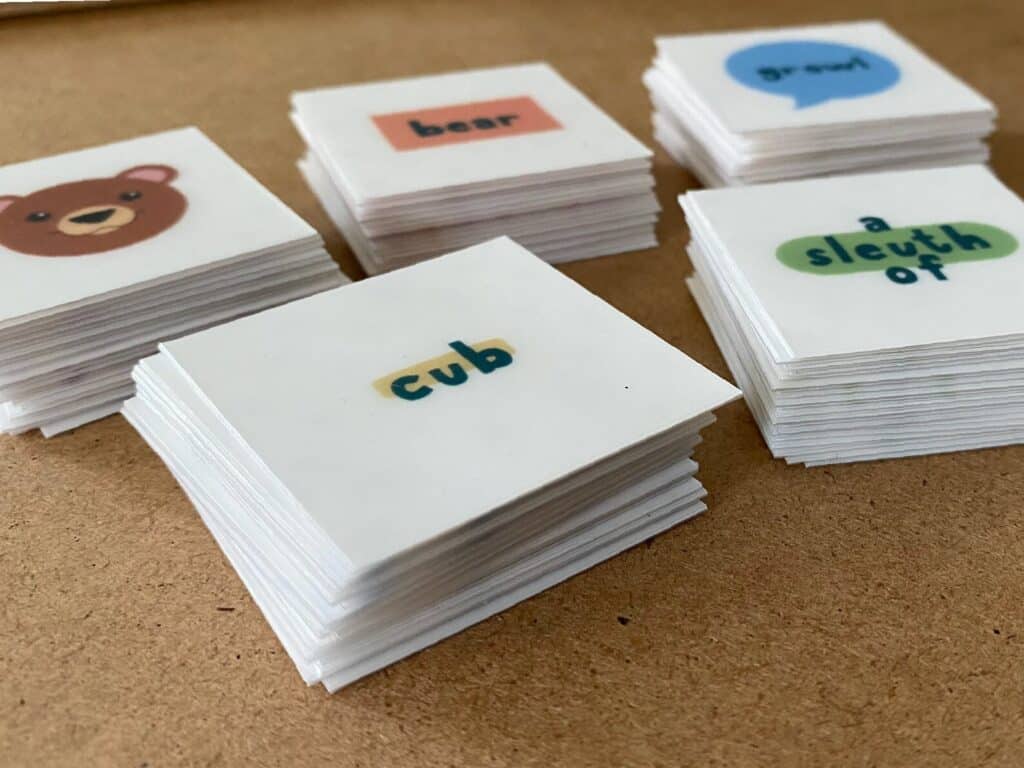
It’s the perfect blend of grammar practice and animal fun for the elementary classroom!
The Wrap Up: Parts of Speech Charts
Teaching grammar doesn’t have to feel like pulling teeth. With parts of speech charts, you can make grammar lessons engaging, effective, and enjoyable. Whether you’re introducing students to nouns and verbs or helping them master the nuances of adverbs and prepositions, these charts provide a reliable roadmap for success.
Ready to revolutionize your grammar lessons? Download your free sample today and explore our complete collection to find the perfect chart for your needs. Let’s make grammar an adventure, not a chore!
📌 Pin this article so you can revisit it anytime!

💡 Supplement your parts of speech lessons with these products:
Animal Matching and Memory Game
Parts of Speech Game
Parts of Speech Posters
Parts of Speech Montessori Grammar Symbols Poster
Vocabulary Graphic Organizer
