


Who Is Maria Montessori and Why Is She Famous?
If you’re wondering who is Maria Montessori, you’re really asking a bigger question: how did one woman change the way the world understands children?
Long before phrases like student-centered learning or hands-on education became buzzwords, Maria Montessori was quietly observing children—and building an approach to education rooted in respect, independence, and deep trust.
When I was teaching Montessori upper elementary, her ideas quietly shaped everything—from how lessons unfolded to how children moved through their work. In this article, I’ll explore who Maria Montessori was, what she believed about children, and why her influence remains so strong.

Who Is Maria Montessori?
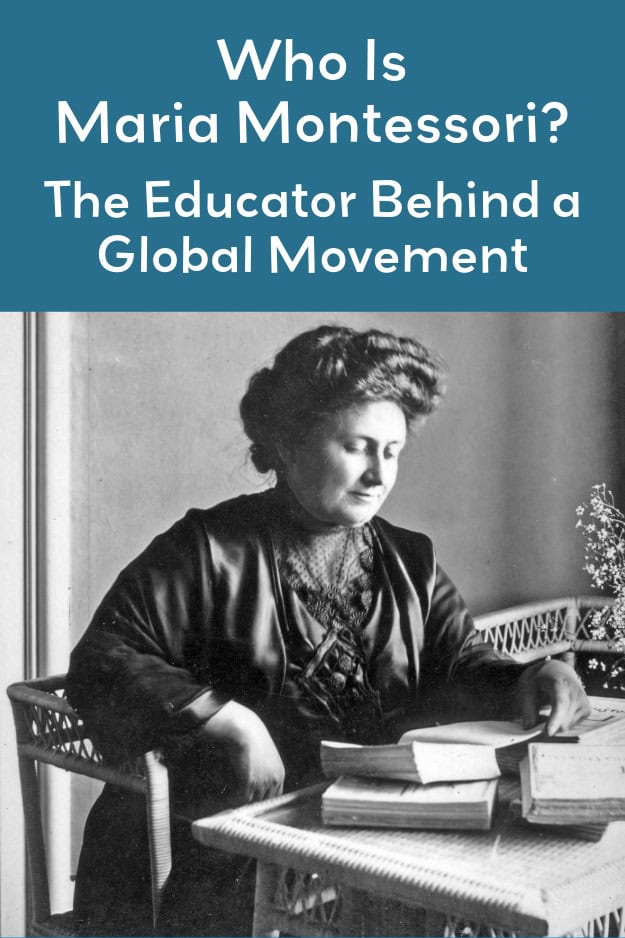
Maria Montessori was an Italian physician and educator born in 1870. She was one of the first women in Italy to earn a medical degree, and her background in science deeply influenced how she approached education.
Rather than starting with a theory about how children should learn, Montessori began by observing how children actually learn. What she noticed changed education forever.
She saw that when children were given the right environment—one designed for their size, development, and curiosity—they became focused, calm, and deeply engaged in their work. They didn’t need constant rewards or punishments. They wanted to learn.
That observation became the foundation of the Montessori method.
Maria Montessori’s Big Insight: Follow the Child
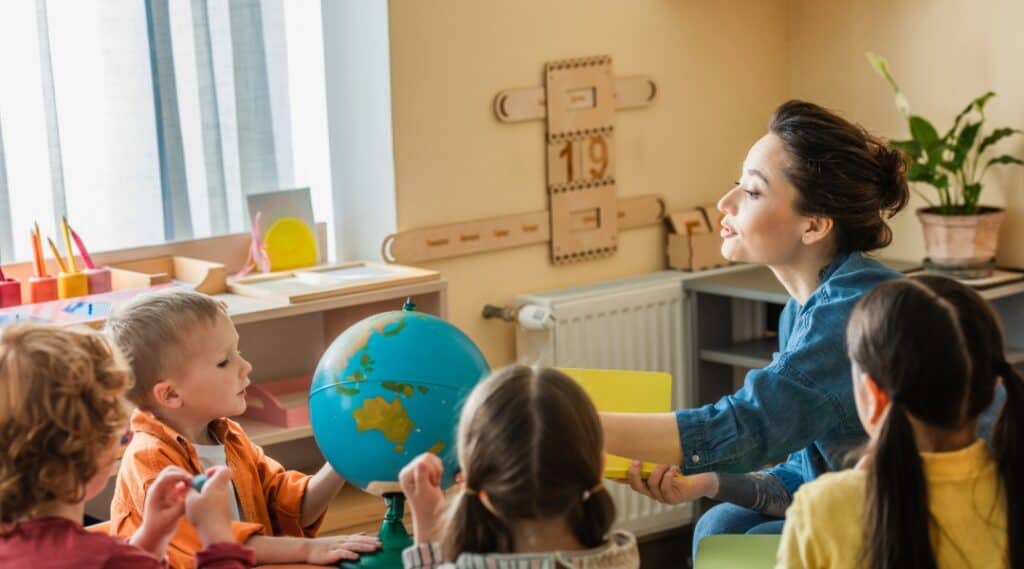
To understand who Maria Montessori is, you have to understand her core belief: follow the child.
Montessori believed that children have an innate drive to learn and grow. The role of education, then, isn’t to control or rush that process—but to support it.
In practice, this means:
✅ observing children closely
✅ introducing lessons when they’re ready
✅ allowing choice within clear structure
✅ trusting children to take ownership of their learning

This idea might sound simple, but it was revolutionary at the time—and honestly, it still challenges many traditional education models today.
Why Maria Montessori Focused on the Environment
One of Maria Montessori’s most enduring contributions is the idea of the prepared environment.
She believed the classroom itself should act as a teacher. Everything—from furniture to materials to routines—should support independence and concentration.
In Montessori classrooms:
➡️ materials are accessible to children
➡️ order and beauty support focus
➡️ movement is encouraged, not restricted
As a teacher, I can say this isn’t about aesthetics—it’s about function. When the environment is thoughtfully prepared, children don’t need constant adult direction. They know what to do, where to go, and how to engage meaningfully with their work.
Maria Montessori and Child Development
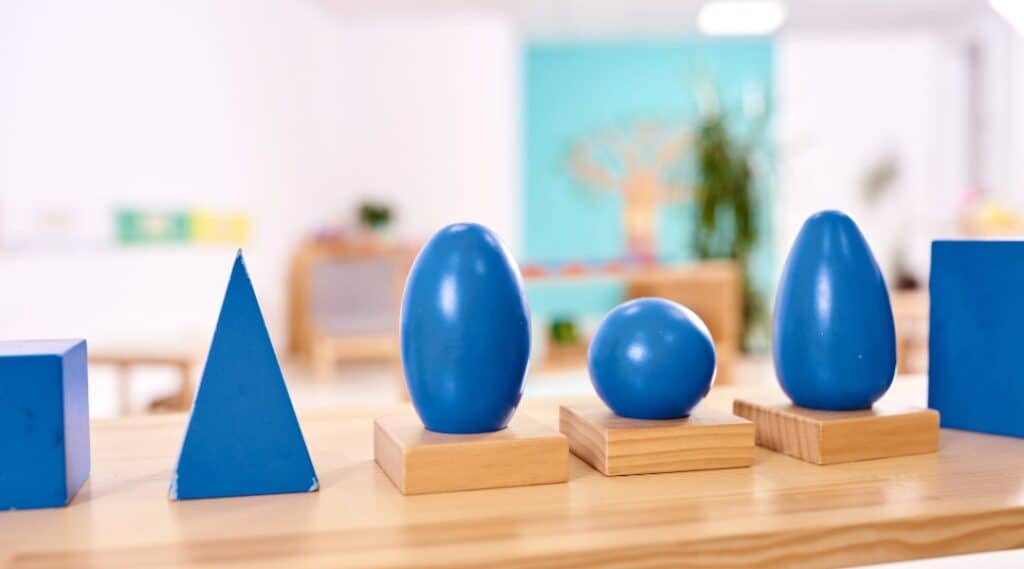
Another key reason Maria Montessori’s work endures is her understanding of child development.
Through years of observation, she identified what we now call the planes of development—distinct stages of growth that shape how children think, feel, and learn. This is why Montessori looks different at different ages.
At the elementary level (ages 6–12), children:
💡 think more abstractly
💡 care deeply about fairness and community
💡 want to understand the bigger picture of the world
Maria Montessori designed elementary education to meet those needs through storytelling, research, collaboration, and big ideas—not just worksheets and drills.

Was Maria Montessori Ahead of Her Time?
In many ways, yes.
Maria Montessori advocated for:
👍 respect for children
👍 inclusive education
👍 hands-on learning
👍 intrinsic motivation
Long before neuroscience confirmed the importance of movement, choice, and meaningful work, Montessori was already building classrooms around those principles.
What’s striking to me, as a modern educator, is how current her ideas still feel. Much of what we now label as “best practice” in education traces back to her early observations.

Why Maria Montessori Still Matters Today
So when people ask who is Maria Montessori, they’re really asking why her name still shows up in conversations about education more than a century later.
The answer is simple: her work holds up.
In classrooms where Montessori principles are thoughtfully applied, children learn how to:
✅ manage their time
✅ work independently and collaboratively
✅ solve problems
✅ reflect on their learning
These aren’t just academic skills, they’re life skills. That’s so Montessori!
Maria Montessori Through a Teacher’s Lens
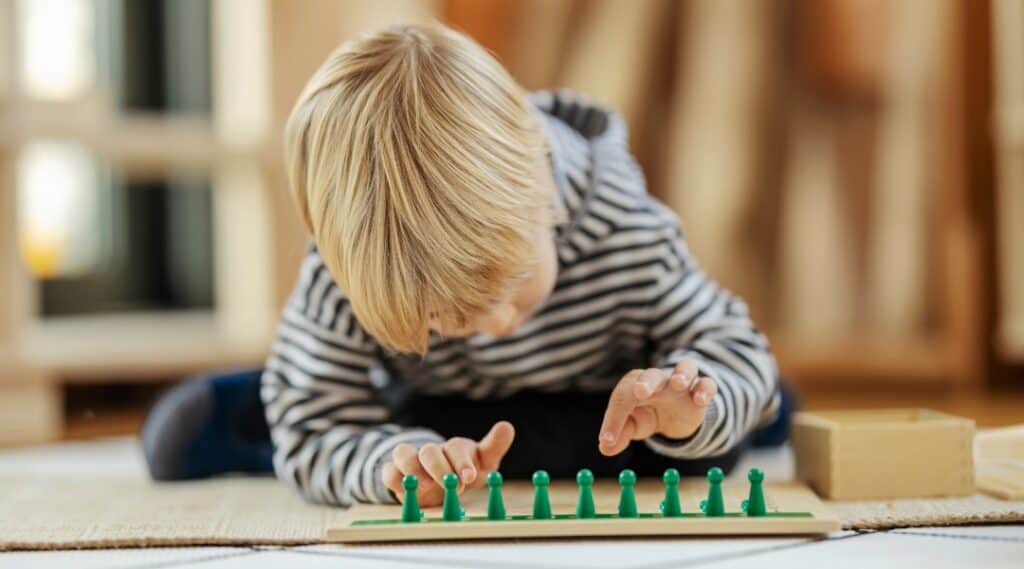
From my perspective as a Montessori elementary teacher, Maria Montessori didn’t create a rigid system to follow. She created a framework rooted in respect—for children, for development, and for the learning process itself.
Her legacy isn’t about wooden materials or quiet classrooms. It’s about trust. Trust that children, when supported appropriately, are capable of far more than we often expect.
Free Social Emotional Learning Activity
Sign up for our newsletter and receive Montessori-aligned resources for the elementary level, and this free printable!
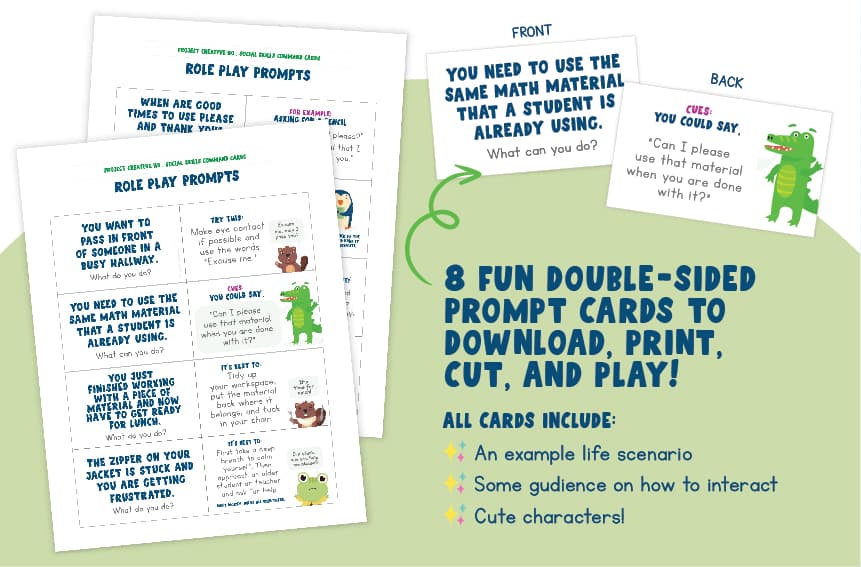
📥 Get these Grace & Courtesy Command Cards to your inbox.
The Wrap-Up: Who Is Maria Montessori?
Understanding who is Maria Montessori goes beyond knowing her biography. It means recognizing the shift she sparked in how we view children and learning.
She challenged the belief that education must be forced or controlled. Instead, she showed that when children are given time, thoughtful environments, and respectful guidance, they move naturally toward focus, independence, and meaningful work.
Looking back on my time in the classroom, I see that Maria Montessori’s true legacy wasn’t the materials on the shelves—it was the way we learned to observe, trust, and respect children.
More than a century later, her message remains clear: education works best when it begins with respect for the child.
📌 Save this post to explore Maria Montessori anytime!
💡 More Montessori Elementary Reads:
What Are the Montessori Great Lessons?
The Montessori Great Lessons Resources Every Teacher Should Know About
These Montessori Books Will Change How You See Learning
11 Myths About the Montessori Elementary Classroom
