

Practical Life Skills: Why Elementary Children Need Them Just as Much as Academics
When people hear the phrase practical life skills, they often picture very young children learning how to zip coats, wash hands, or pour water without spilling. And while those early skills matter deeply, they are only the beginning.
As a Montessori elementary teacher, I saw firsthand that practical life skills become even more important as children grow—especially during the elementary years, when independence, responsibility, and social awareness are rapidly developing.
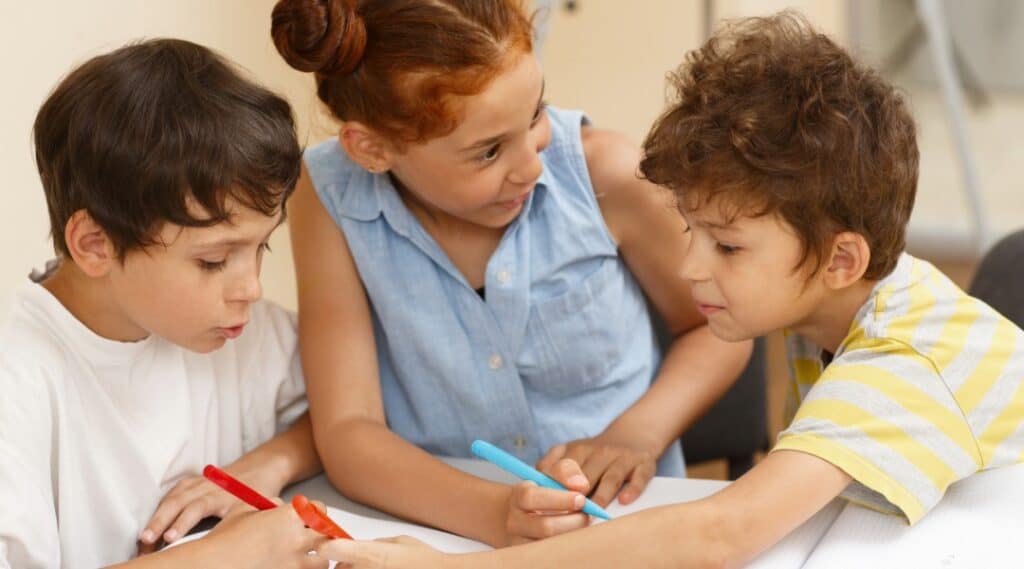
These life skills aren’t something children “master” and move on from. They evolve alongside the child. In elementary, these skills shift from simple self-care to managing responsibilities, working collaboratively, solving problems, and contributing meaningfully to a community.
When we continue to prioritize practical life skills at school and at home, we help children become capable, confident, and well-rounded individuals.
What Practical Life Skills Really Mean
At their core, practical life skills are the abilities children use to navigate daily life with confidence. These include caring for themselves, managing their environment, interacting respectfully with others, and taking responsibility for their actions.
In Montessori education, these skills are intentionally woven into everyday classroom life. They are not taught in isolation or treated as “extras.” They are part of how children learn to function in the world.
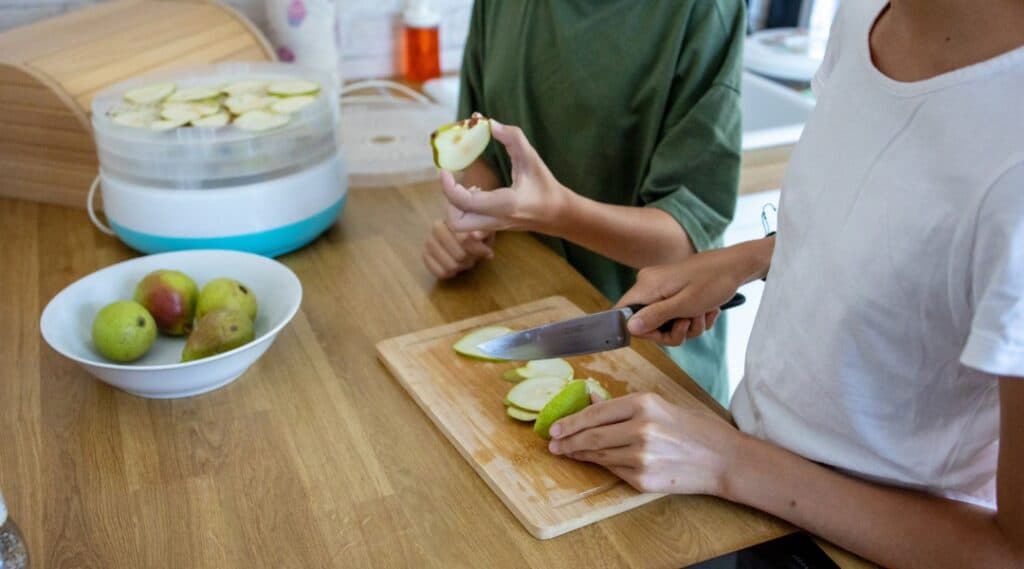
Practical life skills support:
✅ Independence
✅ Executive functioning
✅ Emotional regulation
✅ Social responsibility
✅ Problem-solving
✅ Confidence
These skills are just as essential as reading, writing, and math—because without them, academic learning often struggles to stick.
Practical Life Skills in the Elementary Years
Elementary-aged children are in a powerful stage of development. They are no longer focused solely on themselves; they are beginning to understand group dynamics, fairness, responsibility, and their role in a larger community. This is where life skills truly shine.
In my classroom, practical life skills showed up every day. Sometimes quietly, sometimes loudly—but always meaningfully.
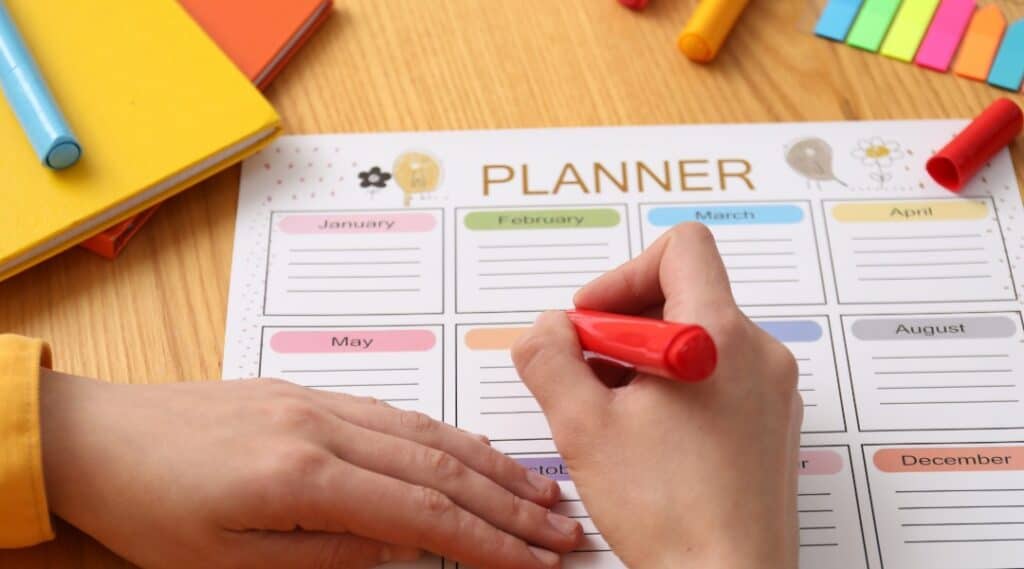
Elementary practical life skills include:
➡️ Managing materials and workspace
➡️ Planning and completing long-term projects
➡️ Taking responsibility for classroom roles
➡️ Resolving peer conflicts
➡️ Managing time and priorities
➡️ Collaborating with others
These are not “soft skills.” They are life skills, and they need regular practice.
FREE Social Skills Command Cards
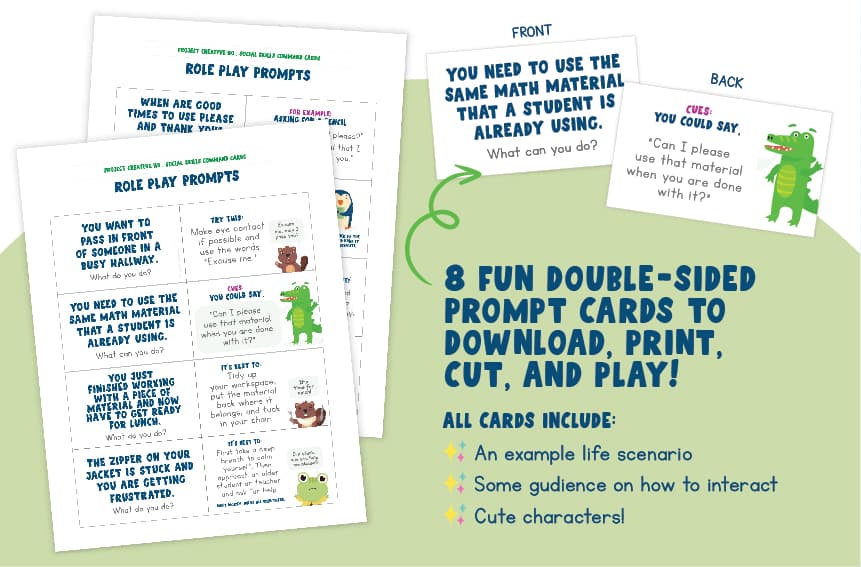
Make social skills fun to learn with our engaging task cards!
These double-sided prompts help kids practice taking turns, managing emotions, and reading body language through role-play. Perfect for building strong classroom and home relationships.
📥 Sign up for our newsletter and get our Grace and Courtesy Command Cards – FREE!
Why Practical Life Skills Are Often Overlooked
As academic expectations increase, practical life skills are often the first thing to disappear. Schedules tighten. Curricula expand. Adults step in to save time or avoid mess.
But when learning everyday life skills is removed, children lose opportunities to practice independence and responsibility in real ways.
I’ve seen academically strong students still struggle with:
😩 Organization
😩 Follow-through
😩 Conflict resolution
😩 Emotional regulation
More often than not, it’s not because they can’t do these things—it’s because they haven’t been given enough opportunities to practice them.
Practical Life Skills and Executive Functioning
One of the biggest benefits of strong practical life skills is the impact on executive functioning. Skills like planning, organizing, prioritizing, and self-monitoring don’t develop through worksheets. They develop through lived experience.
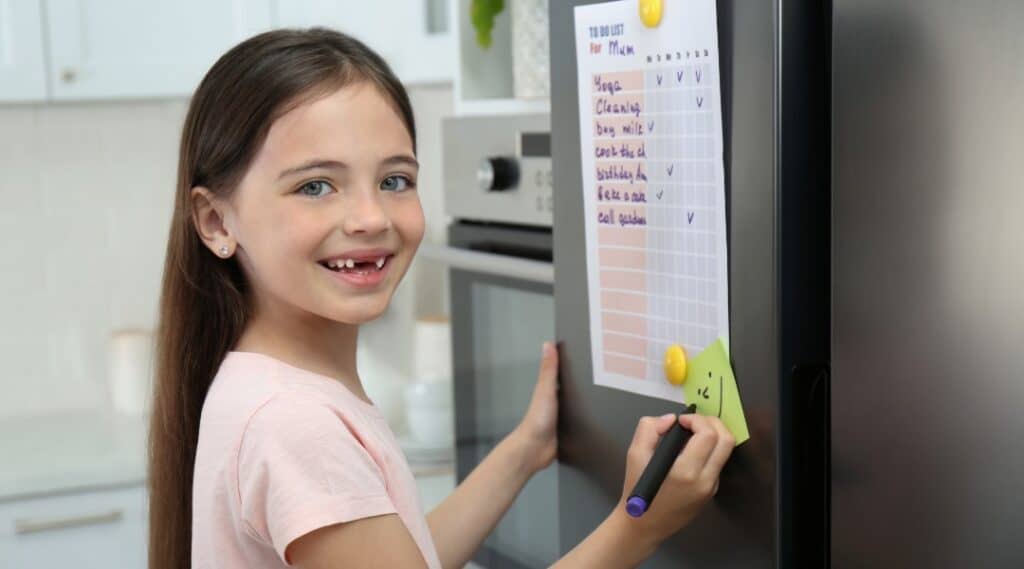
When children are expected to:
✔️ Track their work
✔️ Manage their time
✔️ Care for shared spaces
✔️ Follow through on responsibilities
they learn how to think ahead and take ownership of their choices.
Practical life skills are what turn independence into accountability.
Social Learning Through Practical Life
These life skills are deeply connected to social and emotional learning. When children are part of a functioning community, they learn how their actions affect others.
Through practical life experiences, children learn:
👍 Empathy
👍 Cooperation
👍 Communication
👍 Accountability
👍 Respect
Rather than practicing social skills through role-play alone, children practice them in real situations—with real consequences and real growth.
Practical Life Skills at Home
Home is one of the most important places for practical life skills to develop, especially for elementary-aged children. Daily routines offer endless opportunities for meaningful learning.
At home, practical life skills might include:
✅ Preparing meals
✅ Cleaning shared spaces
✅ Caring for pets
✅ Managing personal belongings
✅ Planning schedules
✅ Budgeting allowance or saving money
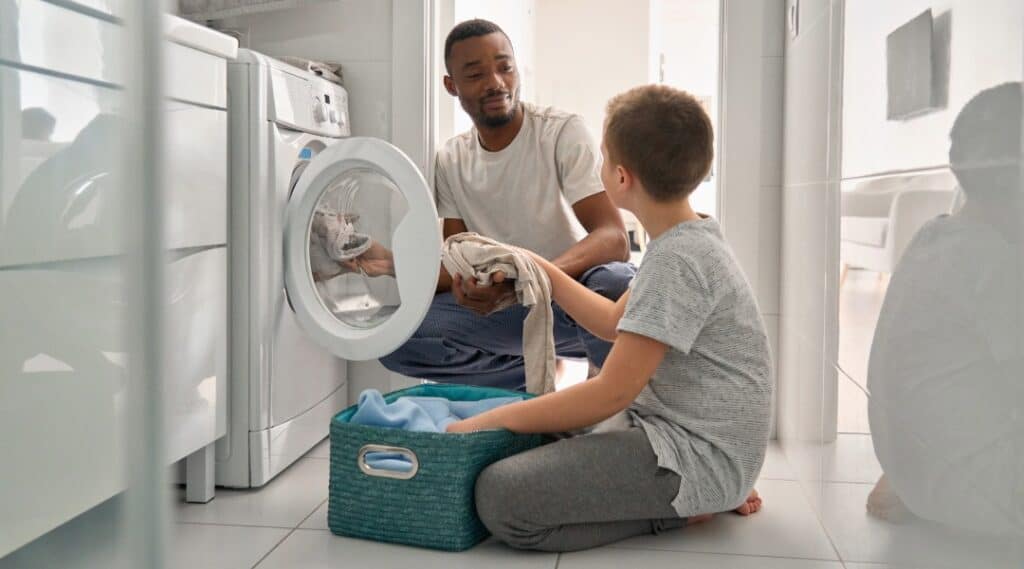
The goal isn’t to make children perfect helpers. The goal is to include them as contributing members of the household.
Children who are trusted with responsibility tend to rise to it.
Allowing Time and Space for Growth
Supporting the development of life skills requires patience. Real work takes time. It involves mistakes, problem-solving, and retrying.
As adults, our role is to:
➡️ Model skills
➡️ Set clear expectations
➡️ Step back when possible
➡️ Allow children to experience natural consequences
When we resist the urge to fix or rush, we give children space to grow.
Practical Life Skills Build Confidence and Resilience
Children who regularly practice practical life skills tend to be more adaptable and resilient. They know how to care for themselves, contribute to a group, and navigate challenges with confidence.
These skills support:
✏️ Academic success
✏️ Emotional well-being
✏️ Social relationships
✏️ Long-term independence
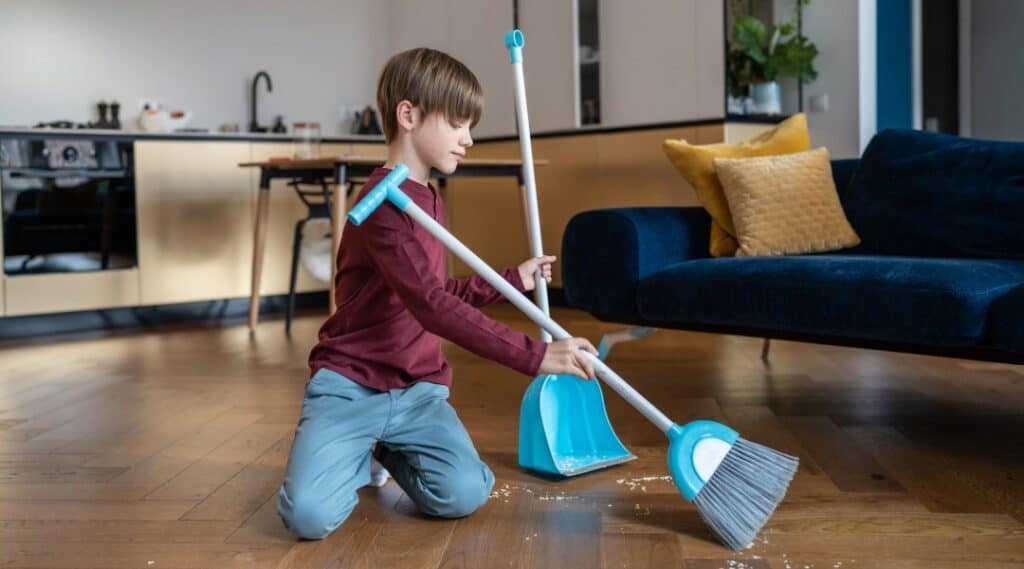
Practical life skills are not a distraction from learning, they are what make learning possible.
The Wrap-Up: Practical Life Skills
Practical life skills are the bridge between childhood and adulthood. When we honor them throughout the elementary years, we prepare children not just for school—but for life.
For me, practical life has always been about trust. Trusting children with real responsibility. Trusting the process. And trusting that when we give children meaningful work, they will show us just how capable they truly are.
📌 Pin this handy practical life skills resource for later!
💡Enjoyed this article? Then you’ll also want to read these:
Great Parenting Books That Align with Montessori Values
Are Montessori Schools Good? What Former Students Say Now
Why Ages 6–12 Are So Powerful: The Montessori Second Plane
Montessori Prepared Environment: The Most Powerful Teacher
