


What Are the Montessori Great Lessons?
If you’ve heard people mention the Montessori Great Lessons and wondered what they actually are, you’re not alone.
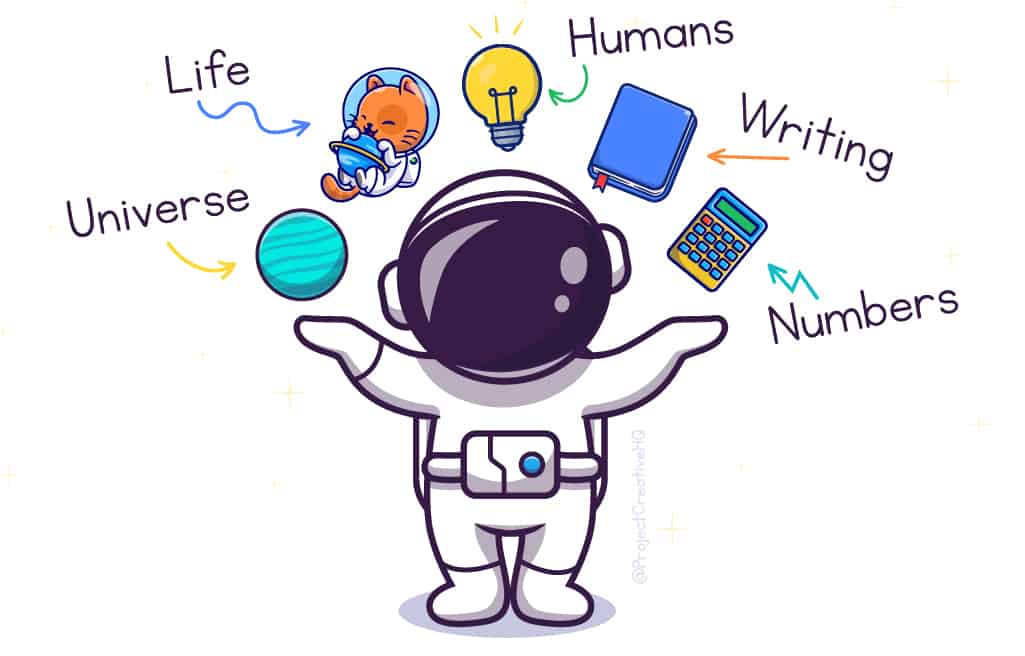
The Montessori Great Lessons are five impressionistic stories told in the Montessori elementary years (ages 6–12) that introduce children to the biggest ideas we can offer: the origins of the universe, life, humans, language, and numbers. As a Montessori upper elementary teacher, I’ve seen these lessons ignite curiosity in a way few other presentations can—because they don’t just teach facts. They spark questions.
And in Montessori elementary, questions are everything.

What is Montessori?
Montessori is an educational approach that focuses on hands-on learning, student choice, and independence. Children learn through meaningful activities, at their own pace, in thoughtfully prepared environments.
Montessori classrooms exist from toddlerhood through high school and are known for mixed-age groups, long work periods, and learning guided by curiosity. The five Montessori great lessons play an important role in this process by sparking independent discovery.
Want to learn more? Read our post: Montessori vs Traditional School
What Are The Montessori Great Lessons
The Montessori great lessons (sometimes called the Great Stories) are a set of five foundational narratives that serve as the starting point for cosmic education—Montessori’s big-picture approach to helping children understand how everything in the world is connected.
Instead of beginning with small, isolated skills, Montessori elementary often begins with the whole: the story of the universe, the story of life, and the story of humanity—then zooms in from there.
These lessons aren’t meant to be “one and done.” They’re designed to be told, revisited, and expanded over time as children’s curiosity deepens and their ability to think abstractly grows.
Why They’re Called “Great”
They’re “great” for two reasons:
1️⃣ The scale is huge.
These stories deal with the biggest questions children love to ask: Where did everything come from? How did life begin? Why do humans do what we do?
2️⃣ They lead to great work.
The Montessori great lessons are not the end of the learning—they’re the beginning. Each one acts like a match that lights a fire. After a great lesson, children naturally want to research, read, write, build, map, experiment, and create.
In other words: the Montessori great lessons don’t just “cover content.” They launch a child into purposeful exploration.

When Do Montessori Great Lessons Happen?
In many Montessori schools, the great lessons are introduced in lower elementary (Grades 1–3) early in the school year, then revisited each year with more depth. They can also be reintroduced in upper elementary as a refresher or a spark for deeper research.
Some classrooms present the first lesson in the first days of school. Others wait until the classroom community feels settled. Either way, the intention is the same: start the year with wonder.
The 5 Montessori Great Lessons at a Glance
Here are the five Montessori great lessons, in the order they’re typically told:
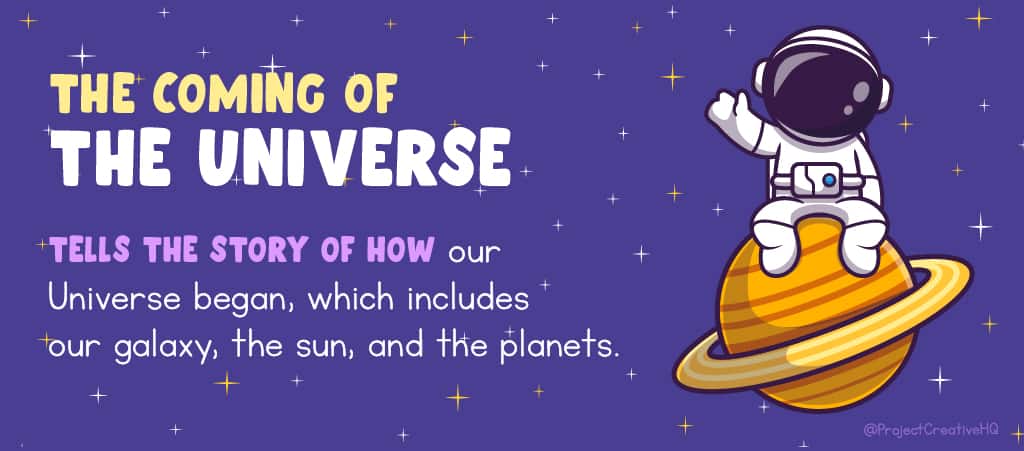
1. The Coming of the Universe
A dramatic story about the beginning of everything—space, stars, Earth, and the laws that hold it all together.
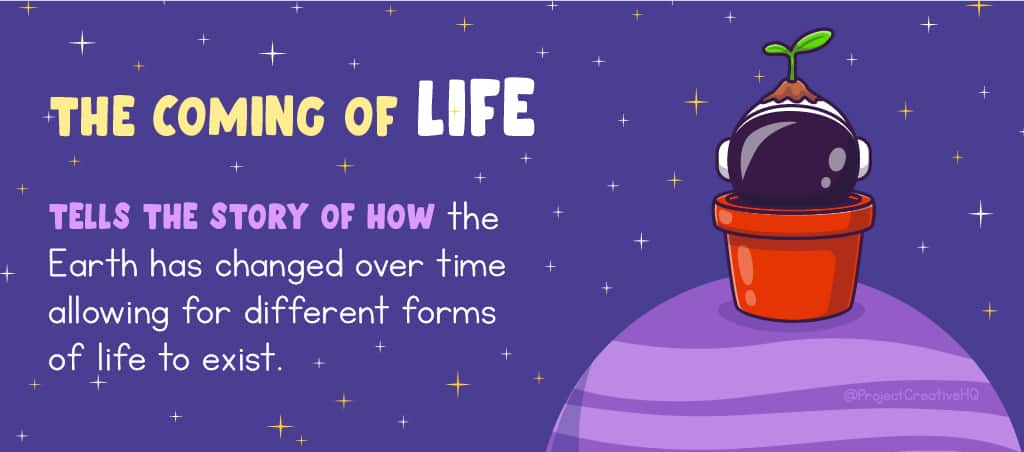
2. The Coming of Life
The story of how life emerged and evolved on Earth over enormous stretches of time.
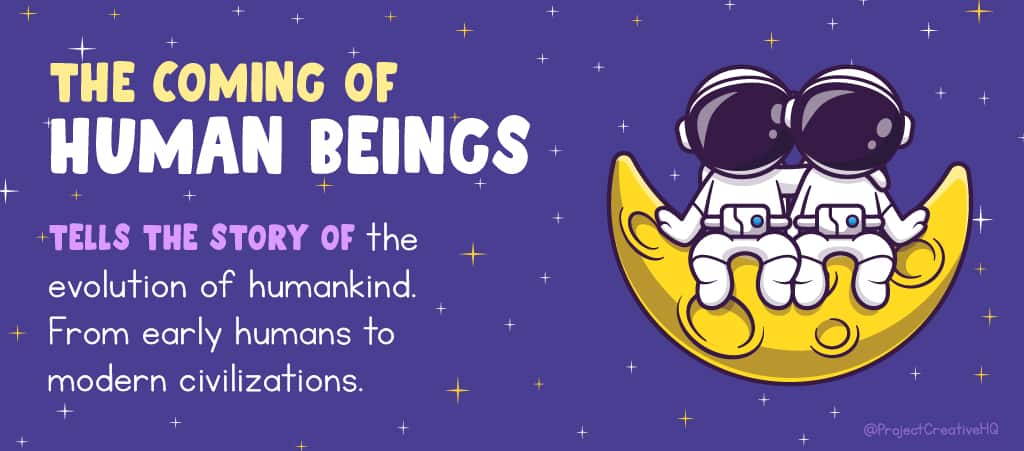
3. The Coming of Human Beings
A look at how humans arrived, survived, adapted, and began shaping the world.
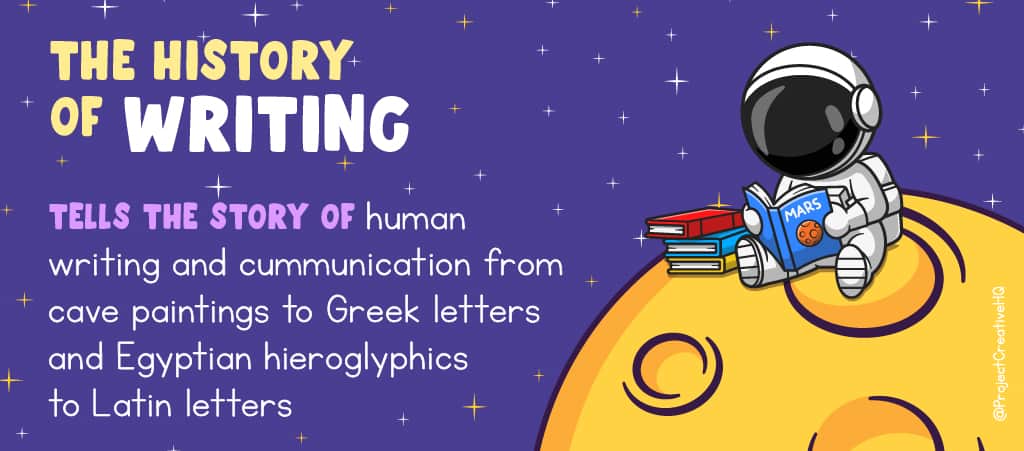
4. The Story of Writing
The story of how humans learned to communicate ideas—through symbols, pictures, alphabets, and written language.
5. The Story of Numbers
The story of how humans developed number systems to count, measure, trade, and understand the world.

Each story connects naturally to research across the curriculum—science, history, geography, math, language, art, and more.
Get a Free 100 Chart for Your Classroom
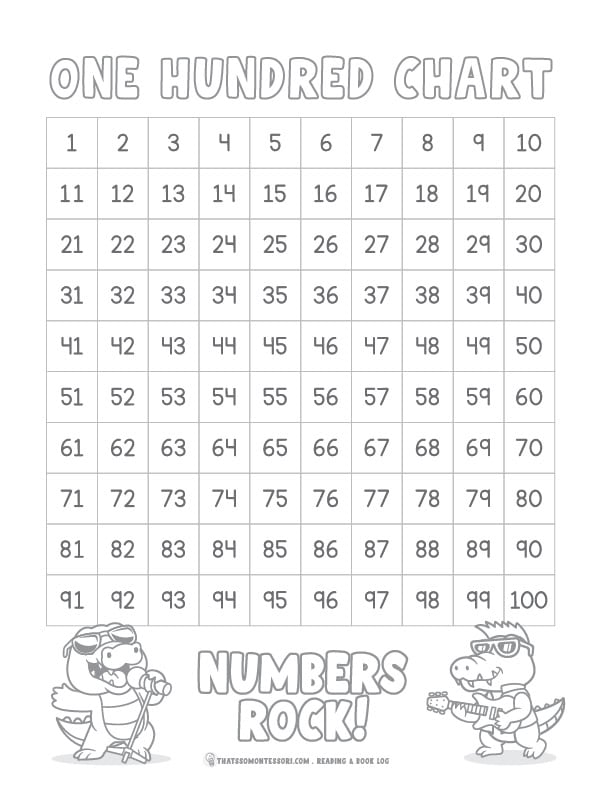
Teaching the Story of Numbers? Grab our free One Hundred Chart to help students explore patterns, place value, and number sense.
Want more ideas like this? When you sign up for our emails, you’ll get Montessori-inspired activities and real classroom insights—no spam, just helpful goodness.
Why The Great Lessons Are So Powerful
In my experience, the magic is in three things:
They meet the second-plane child perfectly
Elementary-aged children (6–12) are wired for big questions. They want reasons. They want connections. They want to know how things work and why people do what they do. The Montessori great lessons speak directly to that developmental hunger for meaning.
💡 TEACHER TIP: Present the first of the 5 Montessori great lessons as early in the school year as possible, ideally within the first two weeks. You want to wow them early and set the tone for the year.
They create an emotional hook for learning
A great story sticks. Children remember the feeling of wonder, surprise, and curiosity—and that feeling pulls them toward more learning long after the lesson ends.
They show children that everything is connected
This is the heart of cosmic education. The Montessori great lessons help children see that biology connects to geography, that history connects to math, that language connects to culture, and that human choices affect the world.
That sense of connection is what turns “school subjects” into a meaningful picture of life.

A Beginning, Not a Unit
One of the biggest misconceptions is that the great lessons are a “topic” you teach.
They aren’t.
They’re a launchpad.
After a great lesson, children might:
- research volcanoes, fossils, galaxies, or early humans
- create timelines, models, maps, or experiments
- write stories, scripts, reports, or comic strips
- explore measurement, geometry, and big-number math
- follow interests for days—or weeks—depending on the classroom
That’s the point. The Montessori great lessons create the conditions where children want to learn more, and then the environment supports them in doing exactly that.
💡 TEACHER TIP: Space out the Montessori 5 great lessons so students have time to explore each one. These stories are meant to unfold—not be rushed.
The Wrap-Up: The Montessori Great Lessons
The Montessori great lessons are designed to open doors, not close them. They plant seeds of curiosity that grow into research, projects, conversations, and independent exploration.
If you’re curious what that looks like in practice, check out our post walks through each of the five great lessons with real classroom examples—how students respond, what they wonder, and where their learning often leads.
Because in Montessori elementary, the story is just the beginning.
📌 Save this for future reference!

💡 More Montessori Elementary Reads:
These Montessori Books Will Change How You See Learning
The Unexpected Teachable Moment That Stopped My Lesson
11 Myths About the Montessori Elementary Classroom
