

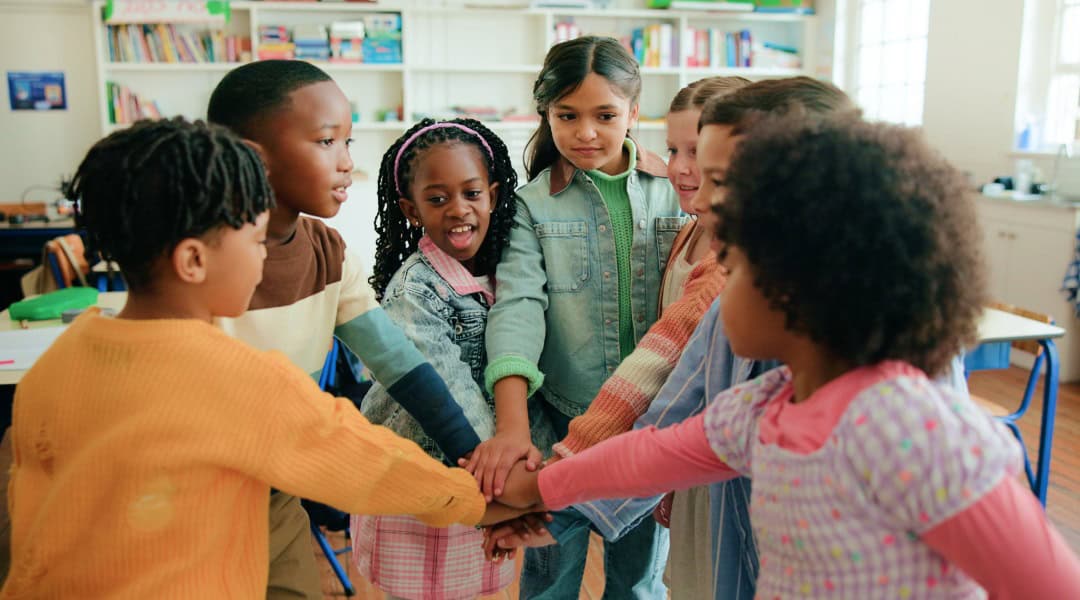
Why Ages 6–12 Are So Powerful: The Montessori Second Plane of Development
If you’ve ever spent time with a 7-, 9-, or 11-year-old, you’ve likely witnessed this shift: They stop simply accepting the world, and start questioning it.
Why is that rule there?
Is that fair?
How does that actually work?
In Montessori education, this stage is known as the second plane of development, and it spans ages 6 to 12.
After more than 15 years in a Montessori elementary classroom, I can confidently say: this is one of the most fascinating phases of human growth.
Let’s break down what the Montessori second plane of development really means.

The Montessori Second Plane of Development
Maria Montessori identified four planes of development from birth to age 24. Each plane lasts roughly six years and represents a complete psychological transformation.
The Montessori second plane of development (ages 6–12) is often called ‘The Reasoning Mind’.
Children move from absorbing information (as they did in the first plane) to analyzing it.
They don’t just want to do—they want to understand.
FREE Ready-to-Use Social Skills Activity!
Our Grace and Courtesy Command Cards give you instant role-play prompts you can use during:
✅ morning meetings
✅ peace circles
✅ SEL blocks
✅ small group support
They’re simple, printable, and grounded in real classroom experience.
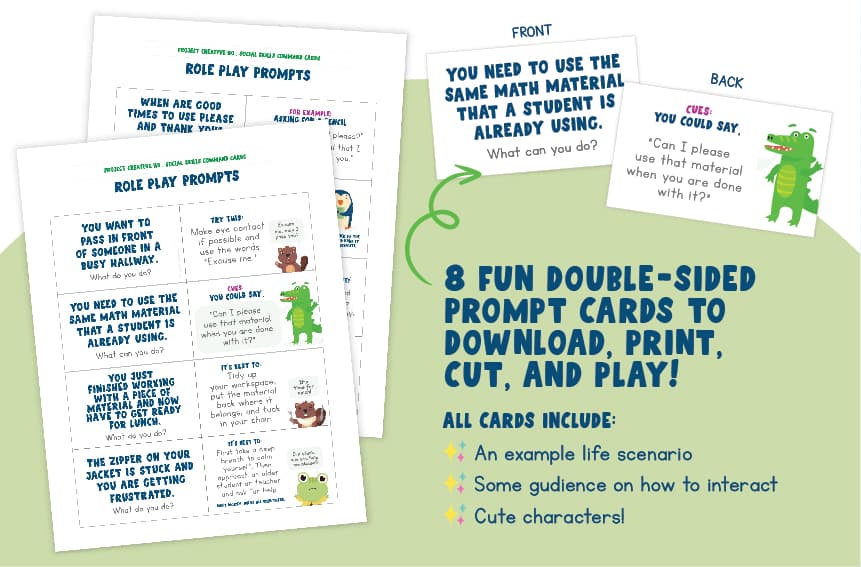
📥 Get the Grace and Courtesy Command Cards
(free with newsletter sign-up)
Key Characteristics of the Second Plane Child
Montessori described three major areas of development during this stage:
Intellectual Growth: From Concrete to Abstract
Second plane children:
➡️ Ask endless “why” questions
➡️ Connect ideas across subjects
➡️ Recall information months (or years!) later
➡️ Begin abstract reasoning
This is when children can imagine:
💡 The formation of the universe
💡 Ancient civilizations
💡 Invisible forces like gravity
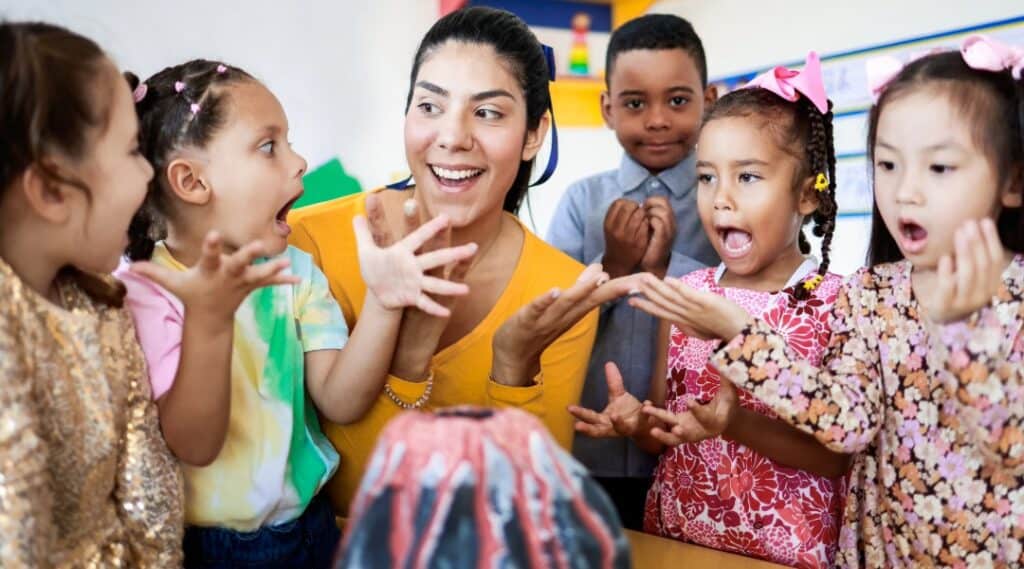
It’s why Montessori elementary classrooms introduce the Great Lessons during this plane—big, cosmic stories that spark imagination and inquiry.
The goal isn’t memorization.
It’s intellectual independence
Moral Development: The “It’s Not Fair” Years
If you work with this age group, you’ve heard it: “That’s not fair.”
The second plane child develops a powerful sense of justice. They:
➡️ Care deeply about rules
➡️ Question authority
➡️ Notice inconsistencies
➡️ Want moral order
This isn’t defiance. It’s development.
They are constructing their moral compass, and they want logic to guide it.
This is why discussion-based environments work so well for this age. They don’t need more control. They need meaningful dialogue.
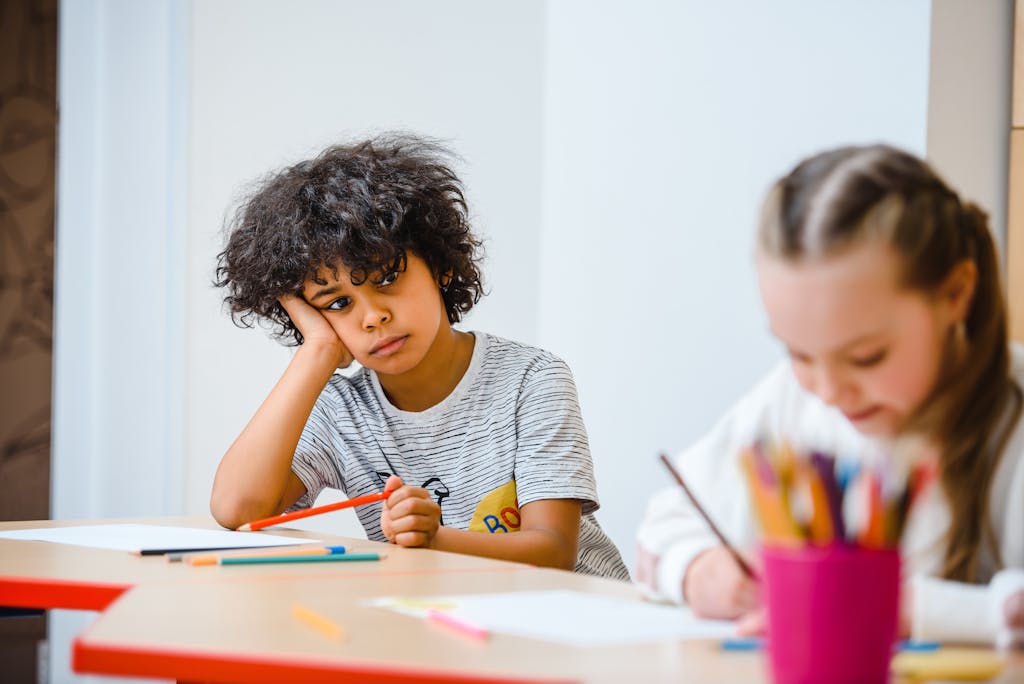
Social Development: The Rise of the Peer Group
During the second plane of development, children turn toward one another.
You’ll see:
➡️ Clubs
➡️ Secret languages
➡️ Group loyalty
➡️ Playground hierarchies
Montessori classrooms support this through:
✅ Multi-age groupings
✅ Collaborative projects
✅ Peer mentoring
Social interaction becomes a vehicle for growth, not a distraction from it.

What Changes From the First Plane?
In the first plane (0–6), the child says: “Help me do it myself.”
In the second plane, the shift is clear: “I can do it myself.”
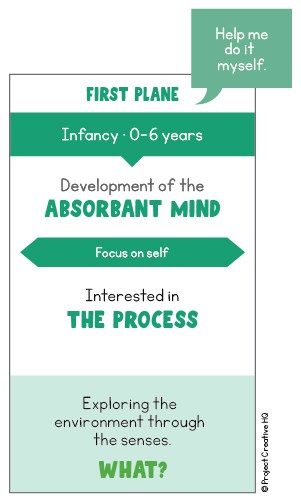
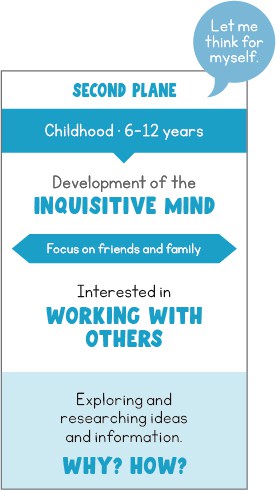
The second plane child craves:
➡️ Independence in thinking
➡️ Responsibility
➡️ Big ideas
➡️ Real contribution
Their mind is no longer simply absorbing.
It’s organizing, questioning, and expanding.
Why the Second Plane of Development Matters
When adults understand the Montessori second plane of development, expectations shift.
We stop:
🚫 Dismissing questions as backtalk
🚫 Labeling fairness concerns as dramatic
🚫 Expecting silent compliance
And we start:
✅ Offering reasoning
✅ Inviting discussion
✅ Providing meaningful work
✅ Respecting their growing autonomy
This stage is not about control. It’s about guiding independence.
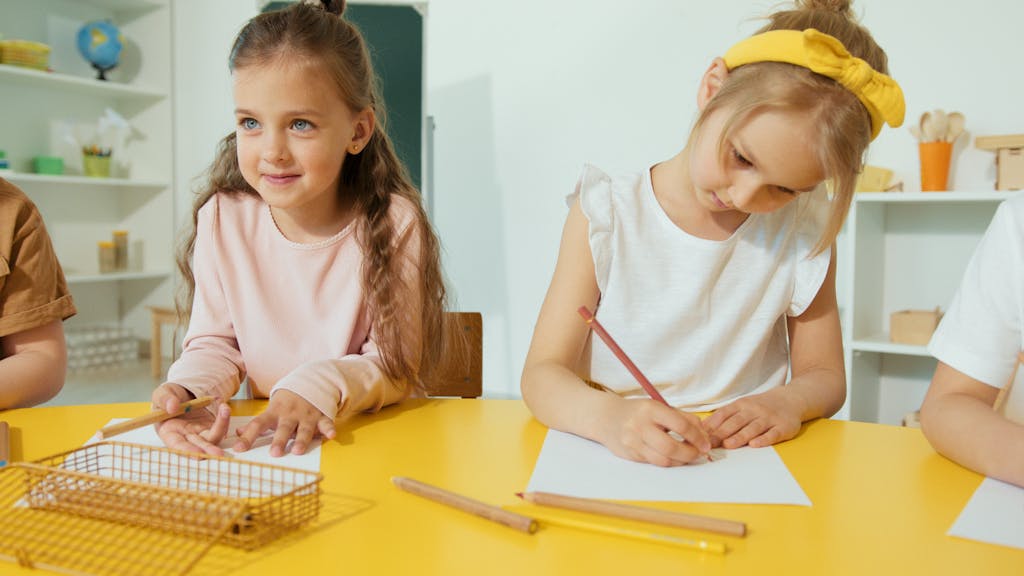
Supporting the Second Plane Child
Whether you’re a teacher, parent, or caregiver, second plane children thrive when they have:
💡 Big, interconnected ideas
💡 Time for research and exploration
💡 Social collaboration
💡 Clear (but logical) boundaries
💡 Opportunities to contribute
This is a stage of expansive growth—intellectually, morally, and socially.
And when we understand what’s happening beneath the surface, we can meet them with respect instead of resistance.
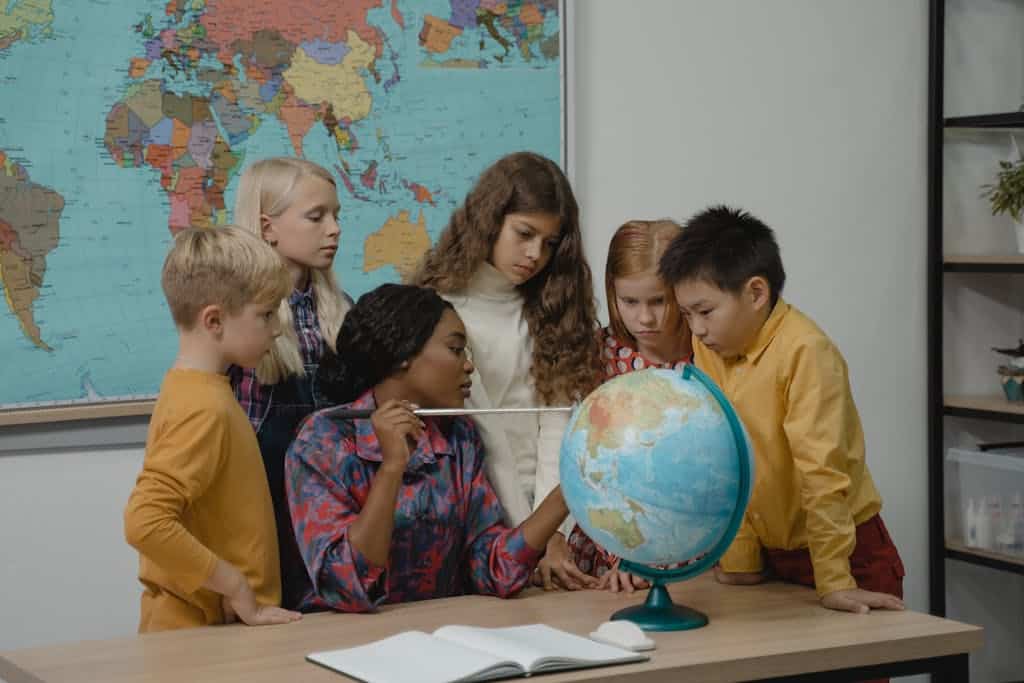
The Wrap-Up: Montessori Second Plane of Development
The Montessori second plane of development Montessori describes one of the most dynamic stages of childhood.
Ages 6–12 are not “in-between” years.
They are powerful years.
Years of:
✅ Reasoning
✅ Questioning
✅ Justice-seeking
✅ Peer bonding
✅ Intellectual awakening
If you’re walking alongside a child in this stage, you’re witnessing the construction of a thinker.
And that is something worth understanding.
📌 Save this for your Montessori journey!
💡 More Montessori Elementary Reads:
What Are the Montessori Great Lessons?
The Montessori Great Lessons Resources Every Teacher Should Know About
These Montessori Books Will Change How You See Learning
11 Myths About the Montessori Elementary Classroom
