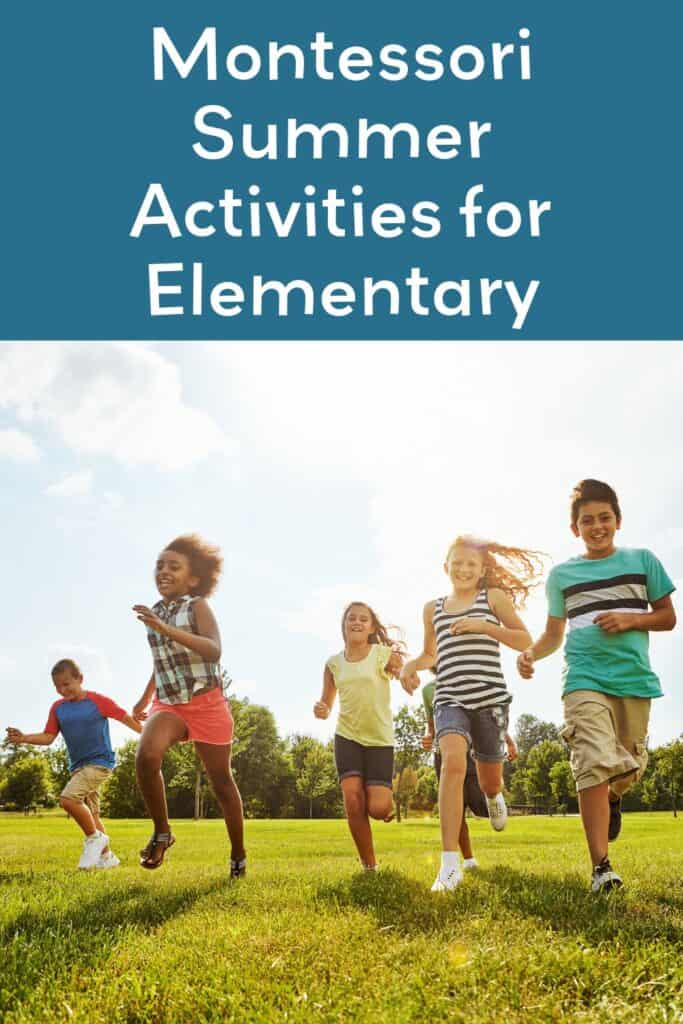
Montessori Summer Activities for Elementary: These Ideas Are Almost Too Simple
Montessori-aligned summer activities can help elementary kids stay curious, capable, and connected to learning—without turning summer break into school.
As a Montessori elementary teacher and stepmom, I’ve seen how quickly routines shift once summer begins. The structure of the school year fades, but children don’t stop learning. They simply learn in different ways.
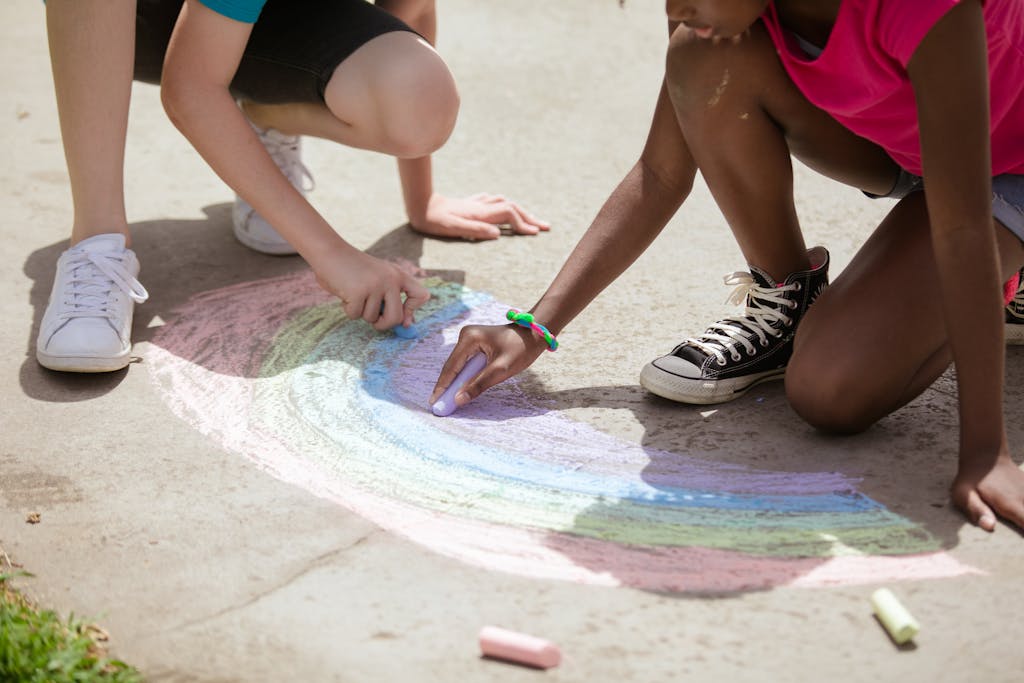
With the right mix of hands-on experiences, independence, and play, summer can become a season of meaningful, natural learning.
This guide offers simple Montessori-inspired ideas to support learning all summer long—at home, outdoors, and in everyday life.
Keep Reading Part of Everyday Life
Summer reading works best when it feels enjoyable, not assigned.
Let children choose books that interest them—graphic novels, jokes, cookbooks, fact books, or stories tied to their passions. When kids have choice, they tend to read more and stick with it longer.

Simple ways to support reading:
➡️ Visit the library or bookstore together
➡️ Read aloud together (take turns)
➡️ Listen to audiobooks during quiet time or travel
➡️ Connect books to small hands-on extensions or conversations
💡 Teacher Tip:
You can extend reading with simple add-ons like activity pages or an A–Z scavenger hunt. These small tools help build vocabulary and spark conversation without taking away from the joy of reading.
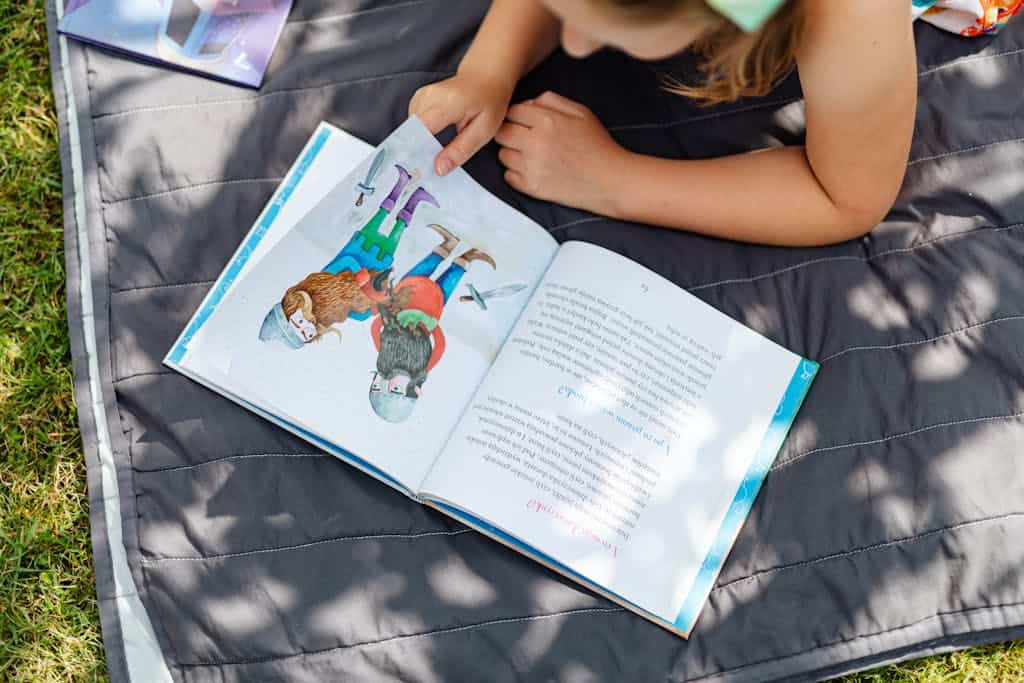
👉 Looking for ideas? Explore more summer reading activities for elementary-aged kids. ☀️
Games That Build Skills Through Play
Games are one of the easiest ways to support learning in summer, without it feeling like practice.
Dice, cards, and board games naturally build:
✅ math skills
✅ language development
✅ problem-solving
✅ flexible thinking
✅ creativity
Simple ways to play:
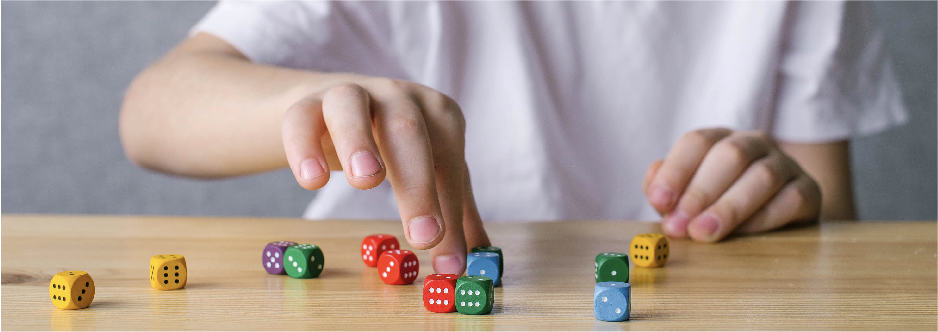
➡️ Roll dice and create quick math challenges
➡️ Play word games that build vocabulary and storytelling
➡️ Use board games that involve strategy, counting, or money
➡️ Invite kids to create their own games
Games work best when they stay flexible, playful, and child-led.
Teacher Tip: Math Through Dice & Cards
Dice games are an easy way to bring math into everyday play. They build fluency while keeping things light and engaging.
Card games also work beautifully for practicing number sense, sequencing, and mental math. A simple deck of cards can turn into dozens of different learning games.
👉 If your kids enjoy card games, try turning a regular deck into simple math practice games like “flip and add to 100.”
Math in Real Life (Where It Actually Sticks)
Math becomes meaningful when kids use it in real situations.
Try weaving it into everyday routines:
Grocery store math
🔢 comparing prices
🔢 estimating totals
🔢 counting money
🔢 spotting discounts

Cooking and baking
👨🍳 measuring ingredients
👨🍳 working with fractions
👨🍳 following steps in order
Gardening
🌱 measuring space
🌱 estimating soil and water needs
🌱 tracking growth
DIY and building
📐 measuring materials
📐 planning steps
📐 problem-solving as they go
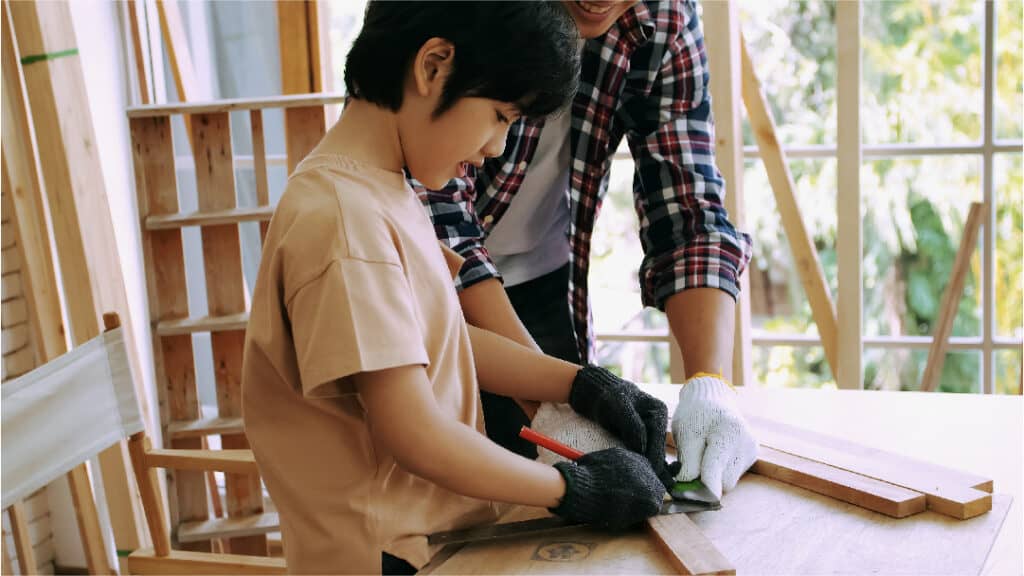
These experiences help children see math as useful, not separate from real life.
Flexible Summer Rhythm (Not a Schedule)
Children thrive with gentle structure, especially in summer.
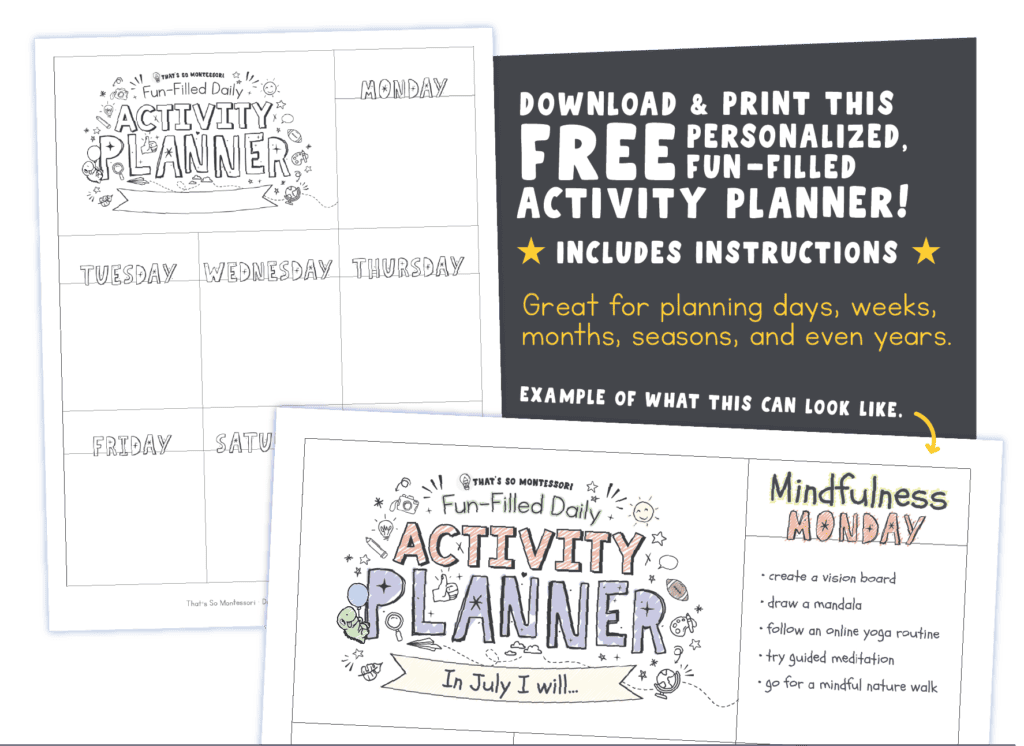
Instead of a strict schedule, try a flexible weekly rhythm:
➡️ Make Something Monday
➡️ Try Something New Tuesday
➡️ Where in the World Wednesday
➡️ Thoughtful Thursday
➡️ Fitness Friday
➡️ Exploration Saturday
➡️ Family Sunday
This gives children predictability without pressure, and plenty of room for spontaneity.
GET THIS WEEKLY PLANNER FREE!
Subscribe to our newsletter and receive this
Customizable Daily Activity Planner printable for free.
Going Out: Real-World Learning
In Montessori, “going out” refers to children exploring the world beyond home with purpose and curiosity.
Summer is a natural time for this.
Ideas include:
➡️ museums and science centers
➡️ nature walks and parks
➡️ farms, gardens, and markets
➡️ local landmarks or historical sites
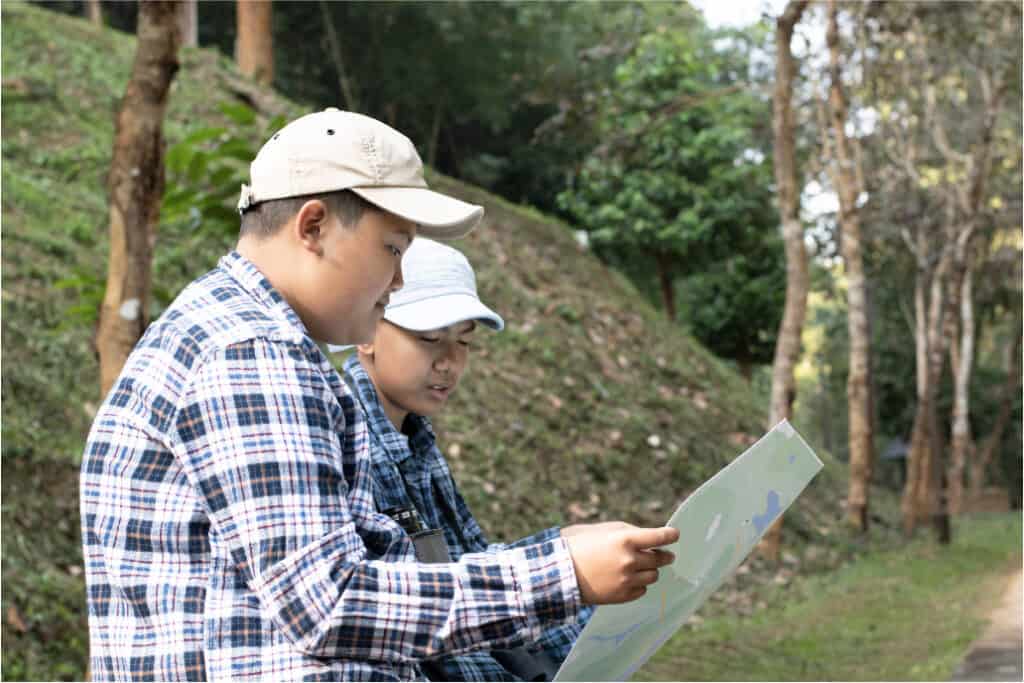
Whenever possible, involve children in planning. Let them choose the destination, research it, or help organize the outing.
Follow-up ideas:
💡draw or write about the experience
💡create a simple travel journal
💡share a short presentation at home
These experiences build independence, confidence, and curiosity.
Movement Matters All Summer Long
Physical activity supports focus, memory, and emotional regulation.
Simple ideas:
➡️ swimming, biking, hiking
➡️ flying a kite
➡️ outdoor scavenger hunt
➡️ obstacle courses or movement games
➡️ nature walks with observation challenges
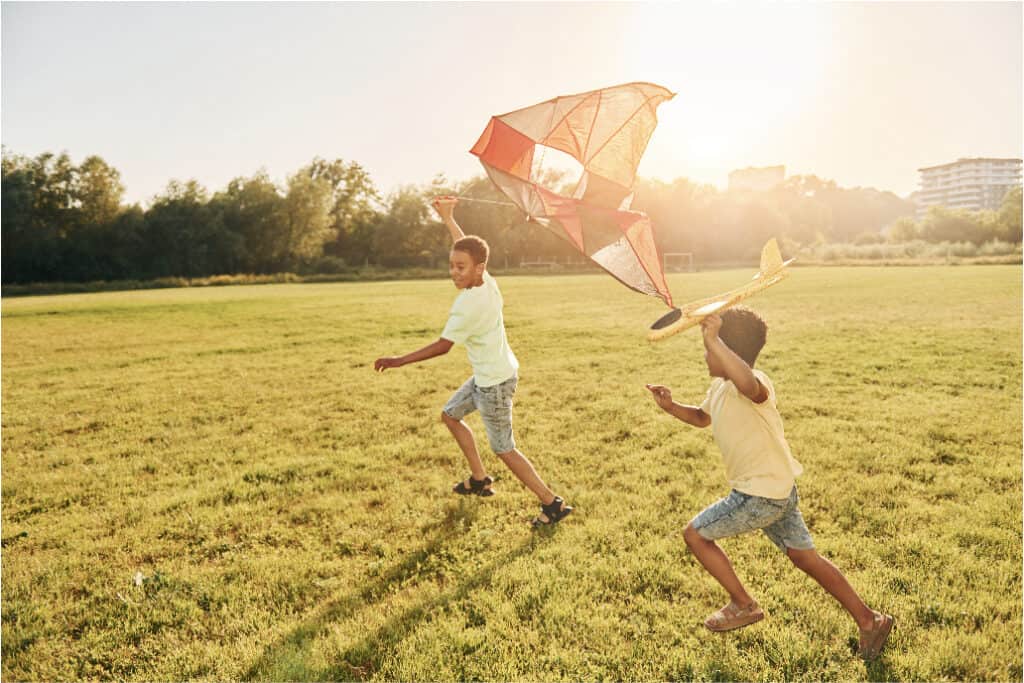
Movement doesn’t need structure, it just needs opportunity.
Digital Learning (In Balance)
Screens can support learning when used intentionally.
Helpful options include:
✅ educational apps
✅ coding games
✅ language learning tools
✅ interactive story platforms
✅ online learning platforms like Outschool
The key is balance: screen time works best alongside hands-on, real-world learning.

The Wrap-Up: Montessori-Algined Summer Activities
Summer doesn’t need to feel structured to be meaningful.
With simple Montessori-aligned summer activities—reading for enjoyment, games, real-world math, movement, and time to explore—children can continue learning in natural, low-pressure ways.
The goal isn’t to do more.
It’s to make space for learning to happen everywhere.
📌 Save this for summer learning!