


My Honest Outschool Review After Teaching on the Platform
If you’re researching online learning platforms for kids, this Outschool review shares my honest perspective as a Montessori elementary teacher who taught on Outschool from 2020 to 2022. I’m breaking down what the platform offers, what stood out to me as an educator, and whether Outschool is truly worth it for families looking for engaging, flexible online classes.
Before teaching on Outschool, I already had experience in virtual classrooms, primarily teaching English to students overseas. But Outschool caught my attention for a different reason: it gave teachers the freedom to design creative, interest-based classes that go far beyond traditional academics. As a Montessori educator, that flexibility mattered to me—and ultimately shaped some of my most meaningful online teaching experiences.
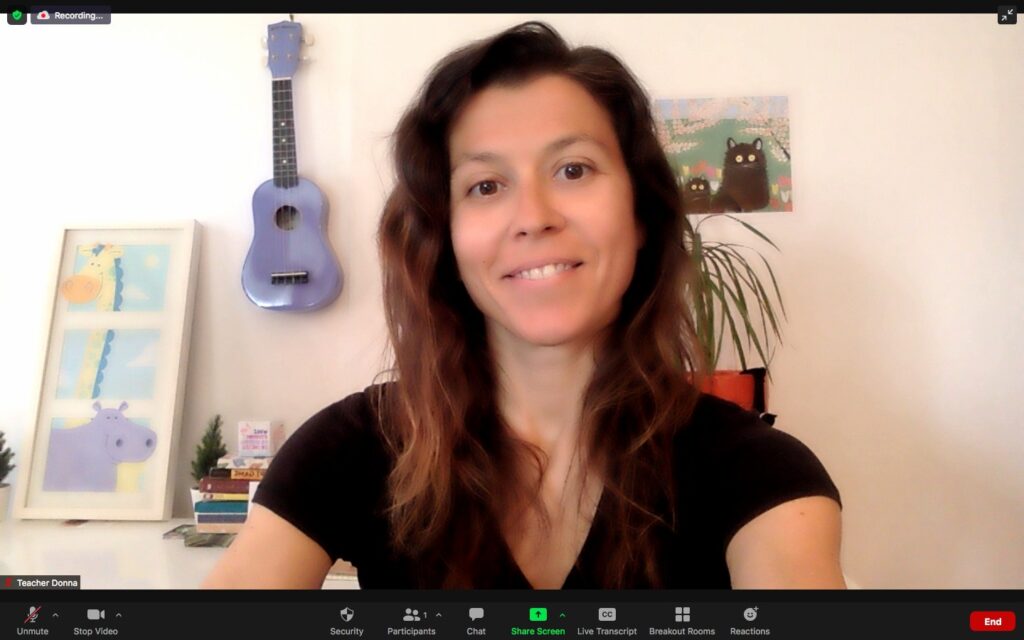
In this post, I’ll share what it’s like to teach on the platform, the types of classes available, what families should know before enrolling, and how Outschool compares to more traditional online learning options. I’ll also include a referral link to help you save on your child’s first class if you decide to give it a try.
What is Outschool?
Outschool is an online learning platform that connects students ages 3–18 with teachers from around the world for live (or self-paced), small-group classes. The platform offers thousands of classes across a wide range of subjects—from core academics like reading, writing, and math to creative and interest-based topics such as art, coding, science, and storytelling.
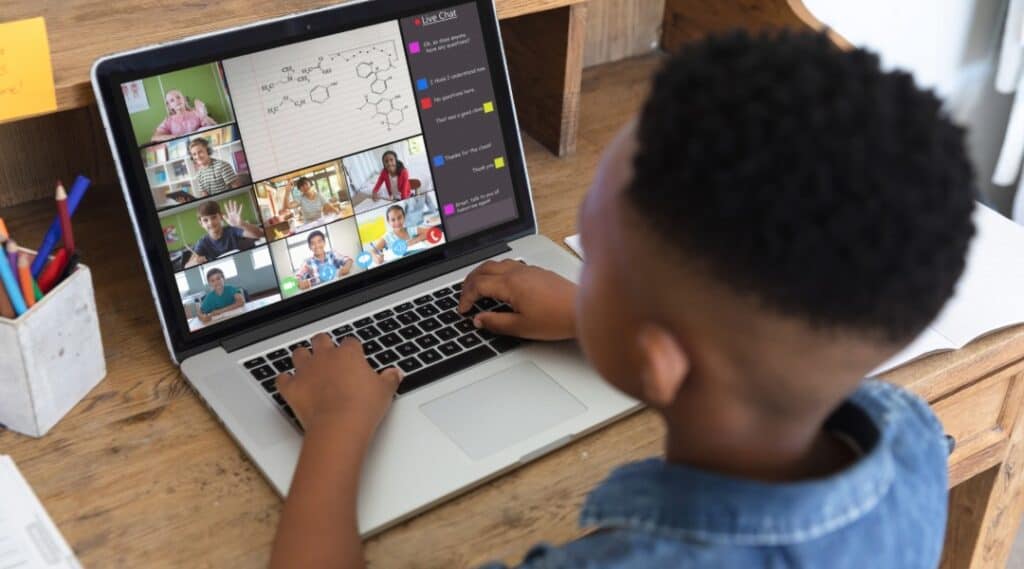
Classes are taught live via Zoom and are typically small, which allows for interaction, discussion, and personalized attention. Outschool is used by both homeschooling families and families with children in traditional school settings who are looking for enrichment, extra support, or opportunities to explore specific interests in a flexible online format.
💡 K–12 Teachers: Teach Online with Outschool
Create your own classes, set your rates and schedule, and teach what you love, from anywhere.
👉 Learn how to get started: How to Teach on Outschool
👉 Ready to apply? Teach on Outschool
Why I Decided to Teach on Outschool
When I first discovered Outschool, I was a few years into teaching online, primarily working with elementary students through VIPKid. I was comfortable in virtual classrooms, but I was craving something more creative and aligned with how I teach as a Montessori educator.
What drew me to Outschool was the freedom it offered teachers. Instead of following a scripted curriculum, educators can design their own classes around topics they genuinely care about. That flexibility allowed me to create Montessori-inspired lessons focused on hands-on thinking, language exploration, and meaningful conversation—rather than worksheets or test prep.
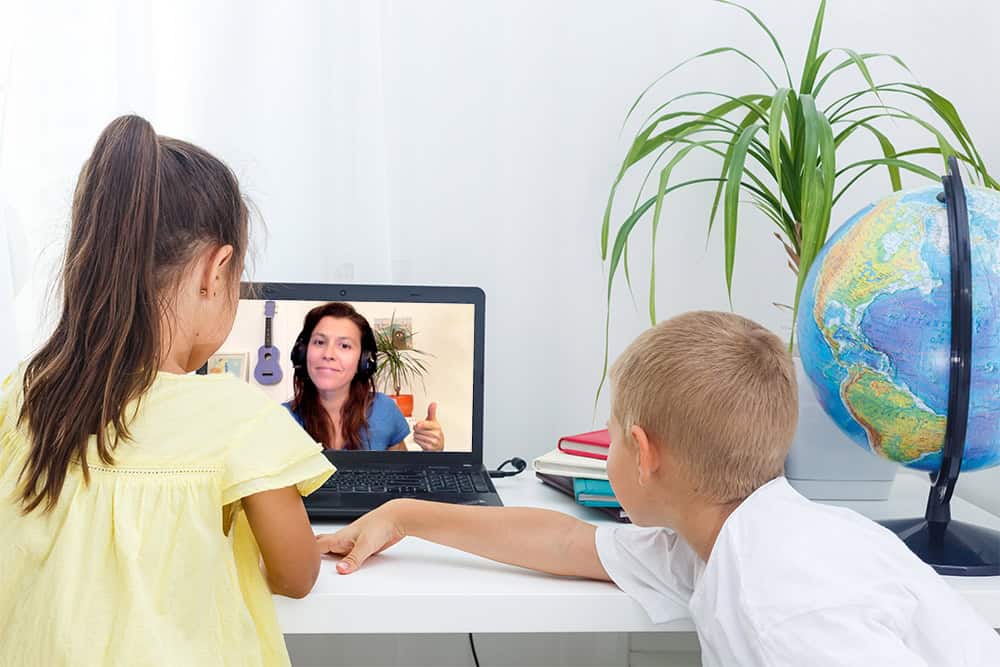
As someone who believes children learn best when they’re curious and engaged, Outschool felt like a natural fit. It gave me the space to teach in a way that felt authentic, student-centered, and aligned with my educational values.
My Experience Teaching on Outschool
In this Outschool review, I’m sharing my firsthand experience teaching on the platform, where I taught both small group classes and one-on-one tutoring sessions. This gave me a well-rounded view of how Outschool works for different learners and families.
While group classes were engaging and fun, I quickly found that one-on-one tutoring became my primary focus. I loved being able to slow down, follow a child’s interests, and tailor each session to their individual needs. That personalized approach aligns closely with Montessori philosophy and allowed me to build meaningful, ongoing relationships with many of my students.
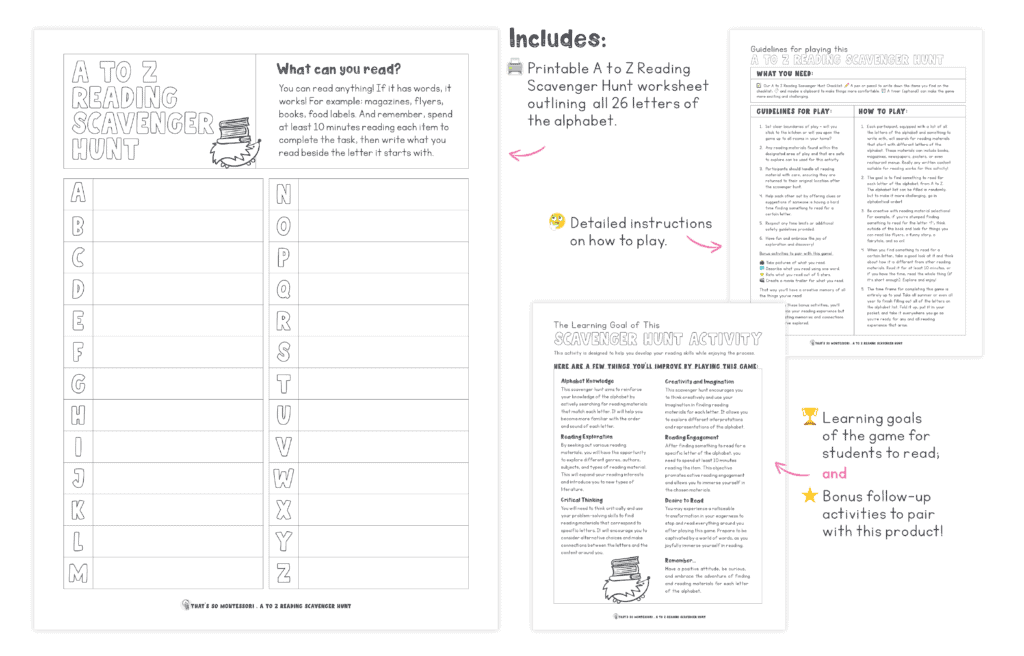
💡Free A–Z Reading Scavenger Hunt
A quick, meaningful reading activity kids can use anywhere.
📥 Join our newsletter to download it free.
Group Classes vs. One-on-One Tutoring on Outschool
With so many classes on Outschool, parents and teachers can choose between group classes and one-on-one tutoring, and each option serves a different purpose.
Group classes are ideal for collaborative learning and social interaction. In my group sessions, students enjoyed discussing ideas, playing language-based games, and learning alongside peers with shared interests.
That said, one-on-one tutoring is where I personally felt most at home. These sessions allowed me to adapt lessons in real time, adjust pacing, and truly respond to how each child learned best. Many of my tutoring students worked with me on an ongoing basis, which made the experience deeply rewarding.
Communication with families was straightforward and efficient through the platform. Parents often told me how much they appreciated the flexibility Outschool offered compared to traditional after-school programs.
While I did experience the occasional no-show or ghosted inquiry (which happens in any online setting), I consistently found that the students who did enroll were the right fit—families who valued curiosity, connection, and thoughtful learning.
The Types of Classes Offered on Outschool
One of the platform’s biggest strengths—and something worth highlighting in any Outschool review—is the variety of class formats available, giving families flexibility based on their schedules and learning goals.
- One-Time Classes: These are single-session classes and are great for exploring a new topic or testing out a teacher’s style.
- Ongoing Classes: These meet weekly and provide consistency, routine, and deeper learning over time. This format worked especially well for tutoring and skill-building.
- Self-Paced Classes: Students complete lessons independently on their own schedule. While flexible, I personally found that live classes led to stronger engagement and connection.
This range allows families to choose what works best for their child, whether they thrive on structure or prefer flexibility.
What I Loved About Teaching on Outschool
What stood out most to me was the creative freedom. One of the reasons I wanted this Outschool review to reflect my real experience is because that flexibility truly shaped how I taught on the platform. Outschool allowed me to design Montessori-inspired classes that focused on thinking, discussion, and exploration rather than worksheets.
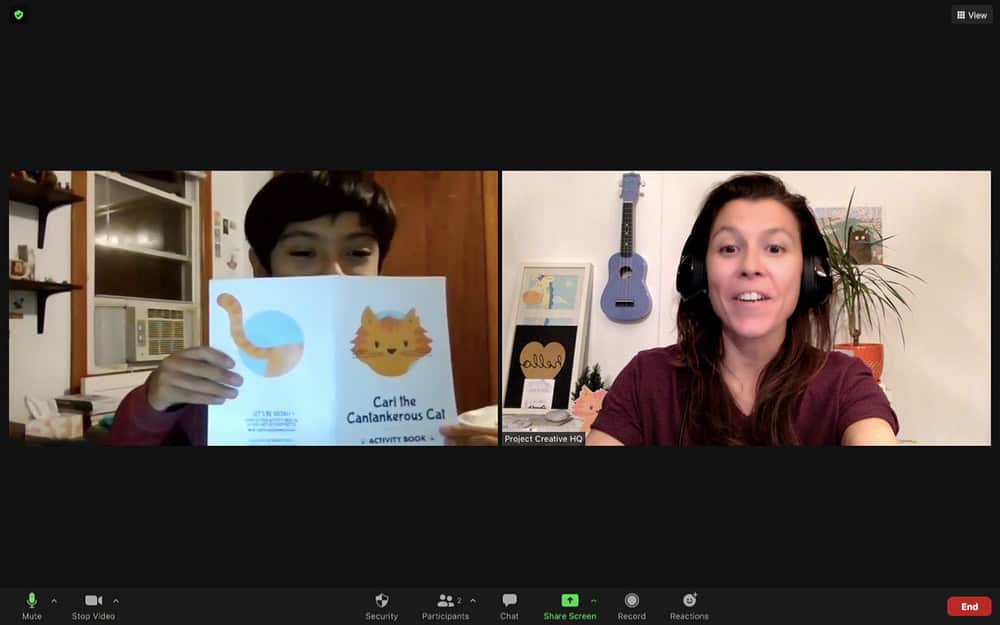
I taught math classes that emphasized conceptual understanding and confidence-building, as well as language-rich sessions where we played games like Scattergories to strengthen vocabulary and categorization skills. In other classes, we explored onomatopoeia through shared reading experiences, including Carl the Cantankerous Cat, which made language learning playful and meaningful.
Looking back, those teaching moments capture why I felt compelled to write this Outschool review in the first place. That freedom—to teach in a way that truly reflected how children learn—was the biggest reason Outschool felt like a good fit for me as an educator.

Things Families Should Know Before Enrolling
From my experience, the platform offers incredible variety but not all classes or teachers are the same. Just as in traditional classrooms, teaching styles and quality can vary.
I always recommend that families:
✅ Read teacher reviews carefully
✅ Look at class descriptions and expectations
✅ Message teachers with questions before enrolling
Finding the right teacher fit makes a huge difference, especially for younger learners or children who benefit from a particular teaching approach.
Scheduling, Booking, and Communication on Outschool
One of the things I appreciated most about Outschool was how easy it was to schedule classes and communicate with families. The platform is designed to keep everything in one place, which makes managing classes straightforward for both parents and teachers.
Parents can browse class listings, view schedules, and book sessions directly through the Outschool platform. Before enrolling, families can message teachers with questions, which I found especially helpful for one-on-one tutoring. These conversations made it easy to align expectations, discuss a child’s learning needs, and find a time that worked for everyone.
Once a class is booked, all communication—including reminders, updates, and follow-up messages—happens through Outschool. This clear, centralized system helped reduce confusion and allowed me to focus on teaching rather than logistics. From my experience, the booking and communication process felt smooth, transparent, and family-friendly.

Your Outschool FAQs Answered
How Much Does Outschool Cost?
Outschool class prices vary depending on the teacher, class format, and length. One-time classes often start around $10, while ongoing classes typically range from $20–$40 per week. One-on-one tutoring sessions are usually priced higher based on the instructor’s experience and session length.
Looking for a deal?
Outschool offers occasional discounts and promotions, and you can use my referral link to get $20 off your child’s first class. It’s a great way to try the platform with less risk.
Is Outschool Legit?
This question comes up in almost every Outschool review, and the short answer is yes—Outschool is a well-established and reputable online learning platform used by families around the world. As a Montessori elementary teacher who taught on Outschool for a couple of years, I experienced firsthand the platform’s commitment to quality, teacher vetting, and student engagement.
Teachers go through an application and approval process before offering classes, and families can review teacher profiles, class descriptions, and ratings before enrolling.

Is Outschool Safe for Kids?
Outschool places a strong emphasis on student safety. Classes are held in secure, private Zoom classrooms that are only accessible to enrolled students and their teacher.
The platform provides safety guidelines and resources for educators, and parents are welcome to be present—especially for younger children. These safeguards helped me feel confident teaching on the platform and reassured many of the families I worked with.
Is Outschool Worth It?
In my experience, Outschool is worth it for families who value flexible, engaging, and interest-driven learning. It offers children opportunities to explore topics they care about, connect with passionate educators, and learn in ways that often go beyond traditional classroom settings.
Many families I worked with shared that their children looked forward to class each week, and not just for the content but for the connection and confidence they built over time.
Is Outschool Still Popular Post-Pandemic?
While Outschool grew rapidly in 2020 during the pandemic, it has remained popular well beyond that period. Families continue to use the platform for enrichment, tutoring, and social learning, appreciating its flexibility and wide range of class options.
For many households, Outschool has become a long-term supplement to school, not just a temporary solution.
$20 Outschool Credit
Think your child would love Outschool? Click here or use the promo code DonnaOUTRE20 at checkout for a $20 credit.
Who Outschool Is a Good Fit For
Outschool isn’t a one-size-fits-all solution, but it can be a great fit for many families. Based on my experience teaching on the platform, Outschool tends to work especially well for:
➡️ Families looking for enrichment beyond school, rather than a full replacement for traditional education
➡️ Homeschooling families who want small-group classes led by passionate educators
➡️ Children who thrive with discussion, interaction, and live instruction
➡️ Learners with strong interests they want to explore more deeply, whether that’s math, writing, science, or creative topics
When families take the time to find the right class and teacher match, Outschool can be a meaningful and engaging addition to a child’s learning experience.

The Wrap-Up: My Outschool Review as a Montessori Elementary Teacher
This Outschool review reflects my experience teaching on the platform and my belief that Outschool offers a thoughtful, flexible learning option for families who value curiosity-driven education. The mix of small-group classes, one-on-one tutoring, and interest-based topics allows children to learn in ways that feel personal and engaging.
As with any learning platform, Outschool works best when families take time to find the right fit. Reading teacher reviews, exploring class descriptions, and messaging educators with questions can make all the difference. With so many options available, there truly is a class—and a teacher—to match nearly every learning style and interest.
If you’re looking to expand your child’s learning beyond the traditional classroom, Outschool can be a meaningful and adaptable choice.
📌 Thinking about Outschool? Pin this for later.

💡 Explore more articles about Outschool:
Discover Outschool: The Ultimate Online Learning Platform
Why Families Love Outschool: Flexible Online Learning Benefits
11 Amazing Outschool Classes That Make Me Excited for Kids
Looking for an Outschool Promo Code? Here’s the Best Deal
Outschool Virtual Summer Camps Worthy Of Getting Excited About
