


15 Remarkable Benefits of Montessori Education Revealed by a Teacher
As someone who’s taught in both an elementary Montessori classroom and a traditional school environment, I’ve seen firsthand the real benefits of Montessori education for children in the second plane of development.
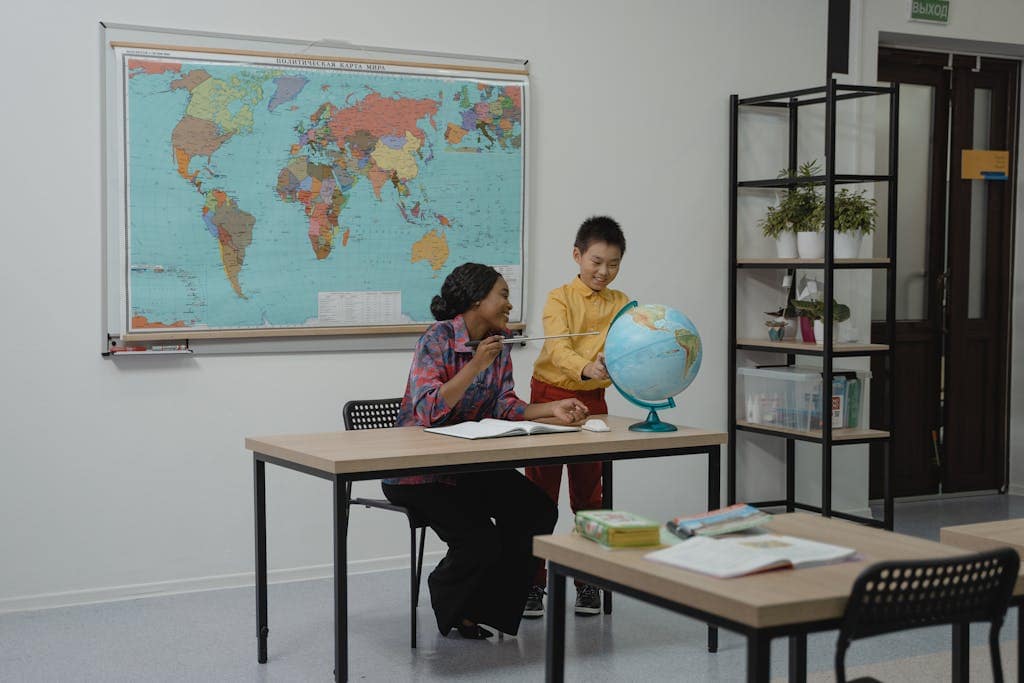
Montessori isn’t just a different way to teach—it’s a fundamentally different way to think about how children learn, grow, and engage with the world. Montessori classrooms offer students freedom within a structured framework, preparing them for life both inside and outside the classroom.
15 Benefits of Montessori Education
Montessori education isn’t just about academics, it’s about creating an environment where children can truly thrive. Here are powerful ways Montessori education supports young learners.
1. Individualized Education
Montessori classrooms personalize learning to match each child’s pace, interests, and abilities. Children are supported where they need help and encouraged to explore areas that spark curiosity, building confidence and a genuine sense of mastery.

2. Immersive Hands-On Learning
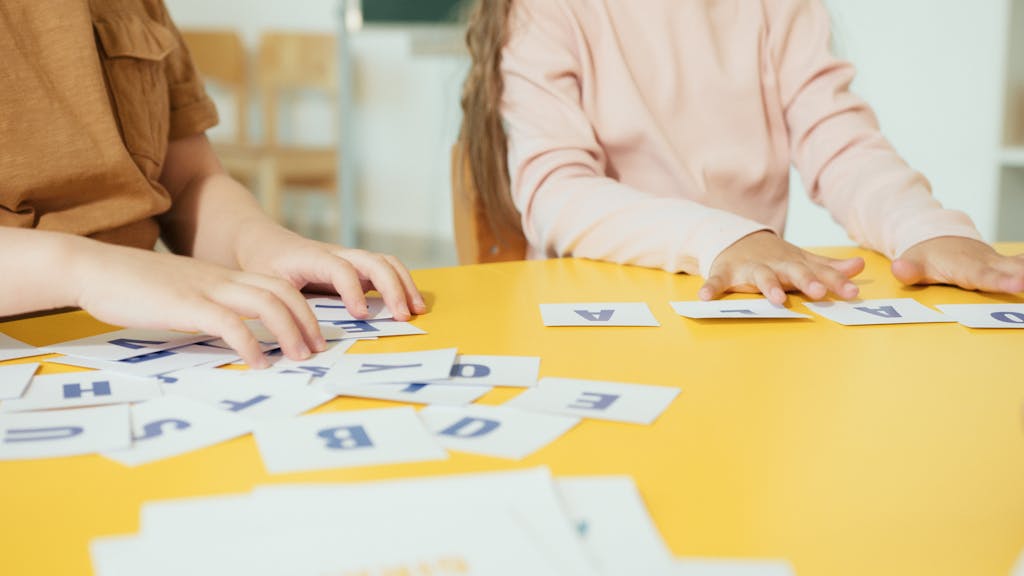
Hands-on materials are central to Montessori education. Children actively engage with concepts through tactile experiences, which strengthens understanding and develops critical thinking far beyond rote memorization.

3. Social Bonds and Leadership Skills
Mixed-age groupings allow children to learn from one another naturally. Younger students gain confidence, while older students develop leadership skills through mentoring, collaboration, and problem-solving.
4. Lifelong Love for Learning
By allowing children to follow their interests and work at their own pace, Montessori nurtures intrinsic motivation. Learning becomes personal, meaningful, and something students want to pursue—not something imposed on them.

5. Freedom with Limitations
Montessori balances independence with responsibility. Children learn to manage time, make choices, and meet expectations, developing self-discipline and resilience that extend far beyond school.
Free Montessori Social Skills Printable
Want to support your child’s independence and social growth?
Download our free Social Skills Command Cards—a simple, classroom-ready tool for building communication, empathy, and self-regulation.
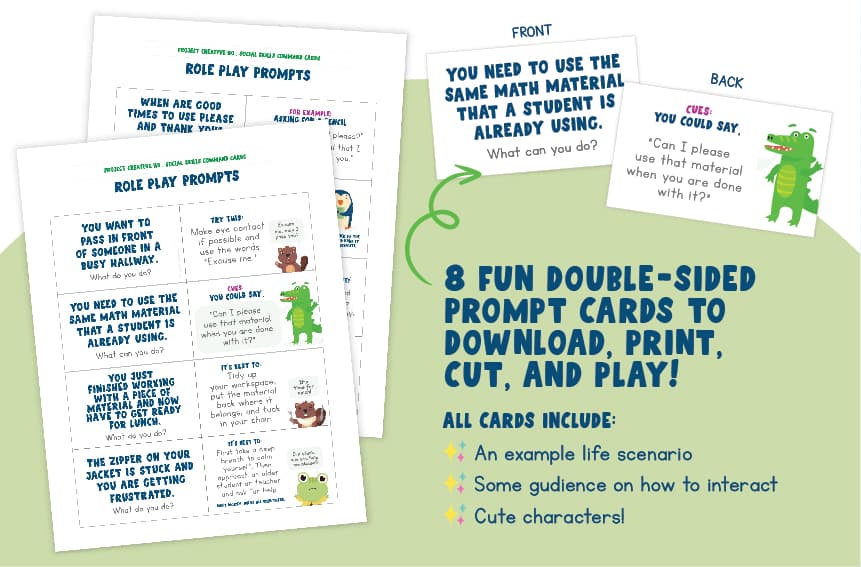
📥 Get the free cards + join our newsletter
No spam. Just practical Montessori-inspired resources.
6. Flexible Learning Environment
Montessori classrooms adapt to children rather than forcing children to adapt to rigid systems. This flexibility encourages creativity, engagement, and deeper ownership of learning.

7. Real-World Preparation
Practical life activities like cooking, gardening, and caring for the environment help children build responsibility, emotional intelligence, and real-life skills in meaningful ways.

8. Fine Motor Skill Development
Specialized Montessori materials strengthen fine motor skills and hand-eye coordination, supporting everything from writing to tool use and daily independence.

9. Inclusivity for Diverse Needs
Montessori’s flexible approach supports diverse learning styles. Visual, hands-on, social, and verbal learners all find meaningful ways to succeed and stay engaged.
10. Self-Assessment and Improvement
Children learn to reflect on their progress, set goals, and take ownership of their growth—skills that foster accountability and lifelong self-improvement.

11. Supportive Community
Montessori schools often build strong partnerships between students, teachers, and families, creating a sense of belonging and shared purpose.

12. Holistic Development
Montessori supports the whole child—academically, socially, emotionally, and physically—creating well-rounded learners prepared for life, not just tests.

13. Responsive Learning Environment
Teachers act as guides rather than lecturers, creating space for curiosity, experimentation, and independent thought.

14. Mixed Age Groupings
Children benefit socially and emotionally by learning in mixed-age classrooms, developing empathy, communication skills, and natural leadership.

15. Self-Directed Learning
Students choose meaningful work and learn to manage their time, goals, and responsibilities—building confidence and independence.
Disadvantages of Montessori Education
While the benefits of Montessori education are extensive, it’s important to acknowledge a few limitations.
Cost
Private Montessori schools can be expensive, making access difficult for some families.

Independence Isn’t for Everyone
Some children may need more structure and external guidance than a Montessori classroom typically provides.
Inconsistent Program Quality
Not all schools implement Montessori principles with equal depth or authenticity, which can affect outcomes.

Finding a Montessori School Near You
In Canada:
Use the Canadian Council of Montessori Administrators (CCMA) to find accredited schools.
In the U.S.:
Search the Association Montessori International’s school locator.
Elsewhere:
A simple search for “Montessori schools near me” can help you explore local options.
Always visit schools, speak with administrators, and observe classrooms to ensure the program aligns with your child’s needs.

The Wrap-Up: Benefits of Montessori
The benefits of Montessori education extend far beyond academics. By nurturing curiosity, independence, and responsibility, Montessori helps children develop critical thinking, emotional intelligence, and a lifelong love of learning.
It’s not about producing perfect students—it’s about raising capable, confident humans who know how to think, adapt, and grow.
📌 Save this post for later by Pinning it!
💡Curious to learn more about Montessori at home or school?
These posts are a great place to start:
These Montessori Books Will Change How You See Learning
11 Myths About the Montessori Elementary Classroom
Montessori Lifestyle Made Easy: Ways to Engage Your Kids at Home
5 Facts About Upper Elementary Montessori You Need to Know
